
Manual Therapies
Electrotherapy & Physiotherapy: TENS, Ultrasound, Shockwave
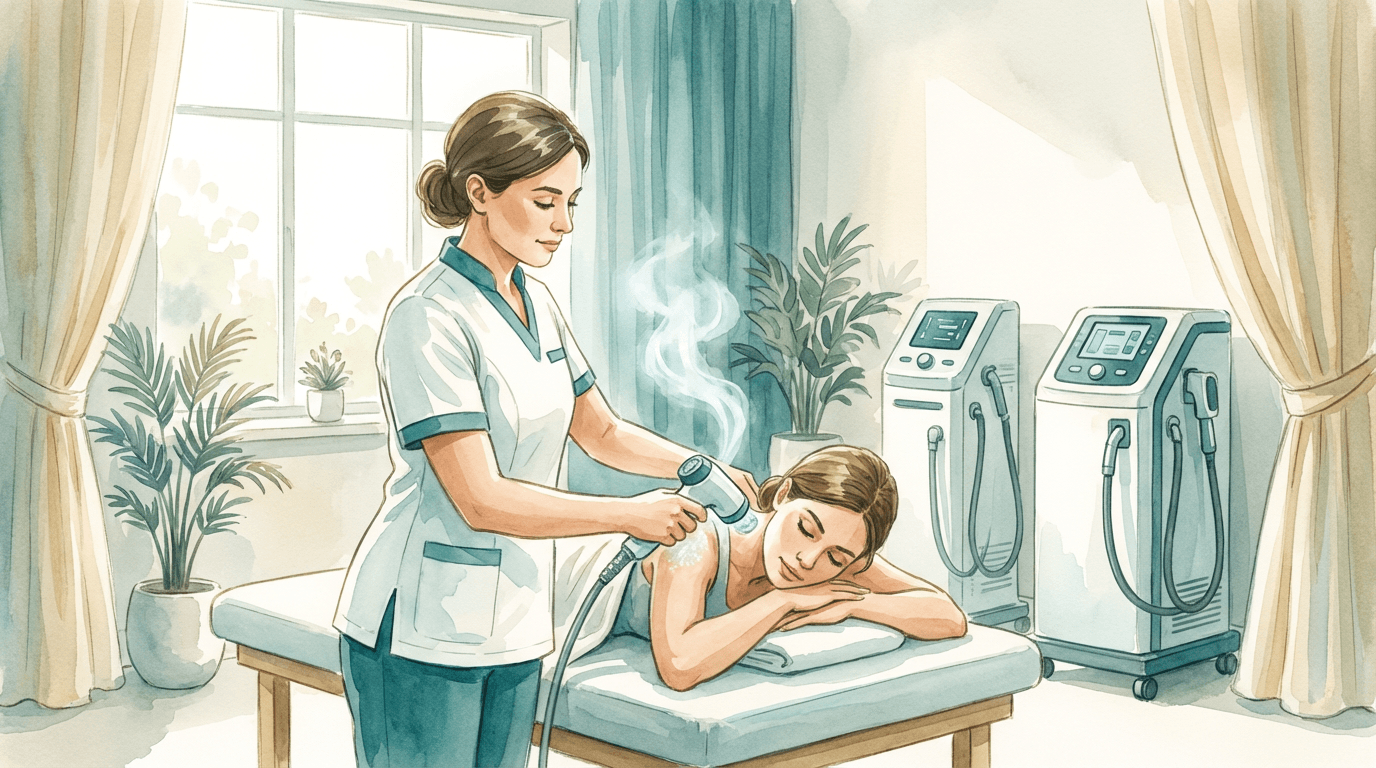
Set of techniques using physical energy (electricity, ultrasound, mechanical waves) to modulate pain, stimulate healing and rehabilitate musculoskeletal tissues.
Read more
67 articles
Set of techniques using physical energy (electricity, ultrasound, mechanical waves) to modulate pain, stimulate healing and rehabilitate musculoskeletal tissues.
Set of therapeutic cold applications, ranging from classic local applications (ice, cold packs, cryomassage) to whole-body cryotherapy (WBC) in cold chambers at -110°C, used for their analgesic, anti-inflammatory, antispastic and sports recovery effects.

Set of therapeutic techniques using water in different forms (baths, jets, showers, rehabilitation pool) at various temperatures and pressures to treat musculoskeletal, rheumatic, neurological and dermatological conditions, exploiting the mechanical, thermal and chemical properties of water.

Lumbar spine rehabilitation: chronic low back pain management, active spinal stabilization, core strengthening, functional restoration programs and therapeutic education for low back pain patients.

Gait and balance rehabilitation in physiotherapy: management of locomotion disorders in geriatrics, post-stroke, neurological and traumatological contexts. Gait analysis, postural reprogramming, fall prevention and functional retraining.

The foundations of functional rehabilitation in physiotherapy: initial assessment, standardized functional evaluations, individualized therapeutic planning and objective monitoring of patient progress at each stage of the care pathway.

Complete shoulder rehabilitation: rotator cuff tendinopathies, glenohumeral instability, adhesive capsulitis, surgical repair. Strengthening protocols, humeral recentering and functional shoulder recovery.

Therapeutic approach founded by Léopold Busquet analyzing the human body as a set of interdependent muscle chains (static and dynamic) organized in spirals that run through the entire body, allowing understanding of postural compensations and chronic pain holistically.

Chronic pain affects nearly 20% of the adult population and represents a major public health challenge. When it persists beyond three months, pain stops being a simple symptom and becomes a condition in its own right, involving deep nervous system changes. Integrative approaches — combining conventional treatments with complementary therapies such as acupuncture, osteopathy, hypnosis and herbal medicine — offer promising results by addressing the multiple dimensions of pain.

Osteopathy is a holistic manual approach founded on the principle that body structure and function are interdependent. When facing pain, the osteopath seeks joint, tissue and fascial mobility restrictions that disrupt biomechanical balance and perpetuate pain. This article explores osteopathy's foundations, techniques (structural, functional, cranial, visceral), scientific evidence and main indications in pain management.

Analgesic hypnosis is a therapeutic approach that uses modified states of consciousness to modulate pain perception. Validated by Inserm and used in numerous hospital centers, it acts on the sensory and emotional components of pain by modifying brain region activity involved in pain processing. This article explores the neurophysiological mechanisms of hypno-analgesia, its clinical applications and techniques used in practice.

Pain is a complex sensory and emotional experience, far beyond a simple alarm signal. This article explores the neurophysiological mechanisms of pain — nociception, nerve transmission, central modulation — and distinguishes the different types: acute, chronic, nociceptive, neuropathic and nociplastic pain. Understanding these mechanisms helps explain why some pain persists despite tissue healing and how integrative approaches can act at each level of the pain process.

Acupuncture is one of the most studied and best-documented complementary approaches in pain management. Recognized by the WHO for over 30 painful conditions, it works by stimulating specific points along meridians to release endorphins, modulate nerve transmission and reduce inflammation. This article explores validated mechanisms of action, protocols by pain type, clinical trial results and precautions.