Auriculotherapy (Nogier Method)
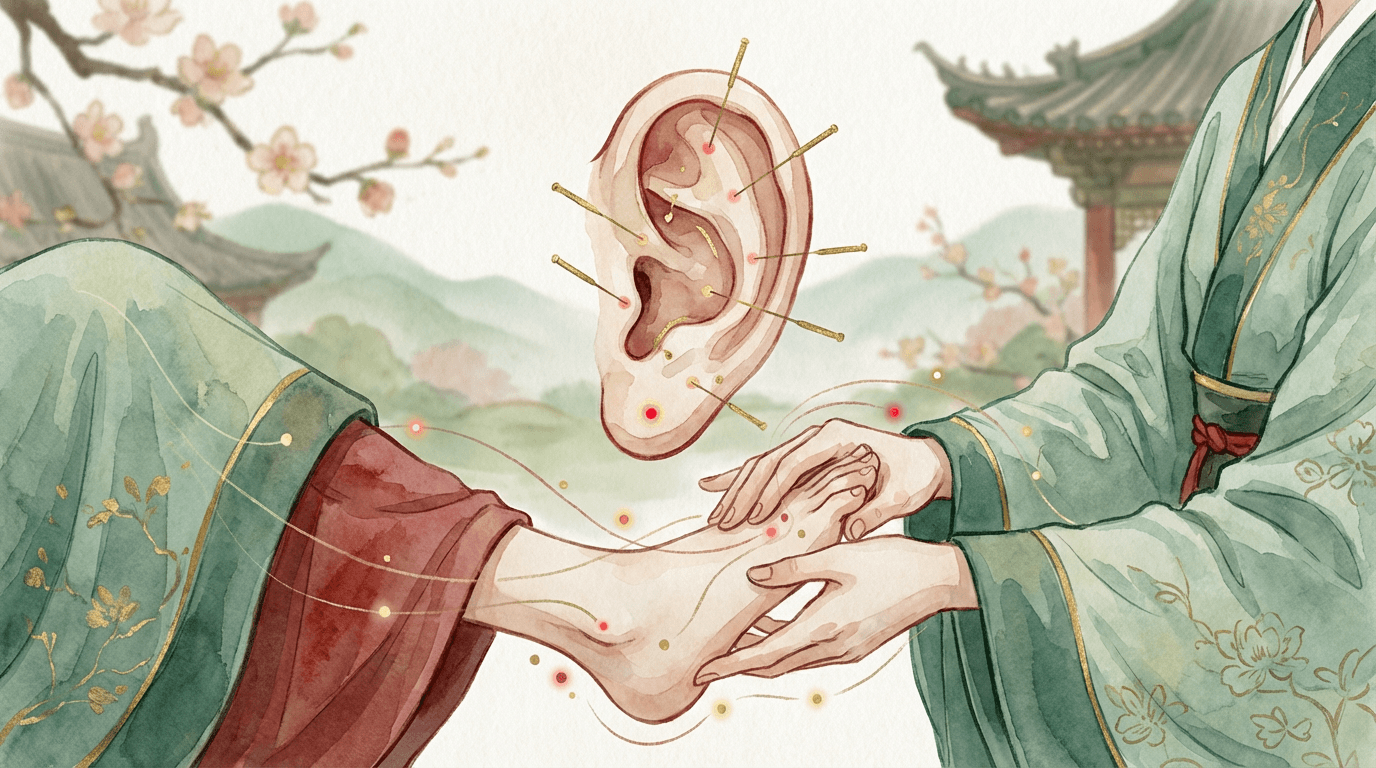
Auriculotherapy, codified by Dr. Paul Nogier, uses the ear auricle as a somatotopic microsystem to diagnose and treat pathologies throughout the body by stimulating auricular reflex points.
55 articles
Auriculotherapy, codified by Dr. Paul Nogier, uses the ear auricle as a somatotopic microsystem to diagnose and treat pathologies throughout the body by stimulating auricular reflex points.
YNSA is a craniopuncture system developed by Dr. Toshikatsu Yamamoto, using frontal and occipital somatotopic scalp zones to treat pain and neurological disorders.
Jiao Shunfa's scalp acupuncture is a system of stimulating linear scalp zones corresponding to cerebral cortical areas, particularly effective for neurological rehabilitation.
Su Jok is a Korean therapeutic microsystem that uses hands and feet as holographic representations of the entire body, combining pressure, needle, moxa and seed stimulation.
Cosmetic acupuncture uses ultra-fine needles inserted into facial muscles and body acupuncture points to stimulate collagen production, improve micro-circulation and reduce signs of aging.
Toyohari is an ultra-gentle Japanese acupuncture style, often without skin penetration, using gold and silver needles held at skin contact to harmonize Qi according to classical meridian tradition.
Kiiko Matsumoto style is a contemporary Japanese acupuncture system based on abdominal palpation (Hara) and diagnostic reflexes for immediately verifiable treatment.
Sa-Am acupuncture is a sophisticated Korean system using exclusively the Five Element Shu-antique points, combining tonification and dispersion with only 4 needles per treatment to rebalance Zang-Fu organs.
Tongue diagnosis is a visual assessment method of the tongue — body, color, shape, coating — enabling rapid identification of internal organ status, imbalance nature and pathology depth.
Chinese pulse diagnosis is the refined art of palpating radial pulses to identify up to 28 pulse qualities revealing organ status, imbalance nature and therapeutic direction.
The Eight Principles (Ba Gang) form the fundamental diagnostic framework of TCM, classifying all imbalances according to four pairs of opposites: Yin/Yang, Interior/Exterior, Cold/Heat, Deficiency/Excess.
Five Elements theory (Wood, Fire, Earth, Metal, Water) is a fundamental philosophical and clinical framework of TCM, describing generation and control relationships between organs, emotions, seasons and tissues.
Yin-Yang theory is the philosophical foundation of all traditional Chinese medicine, describing the complementary and dynamic duality governing all physiological and pathological phenomena.
Zang-Fu theory is the TCM physiology system describing the functions of five Yin organs (Zang) and six Yang bowels (Fu), their interrelations and clinical manifestations.
Moxibustion uses the combustion of dried mugwort (Artemisia vulgaris) to heat acupuncture points, tonify Yang, warm meridians and dispel Cold and Dampness.
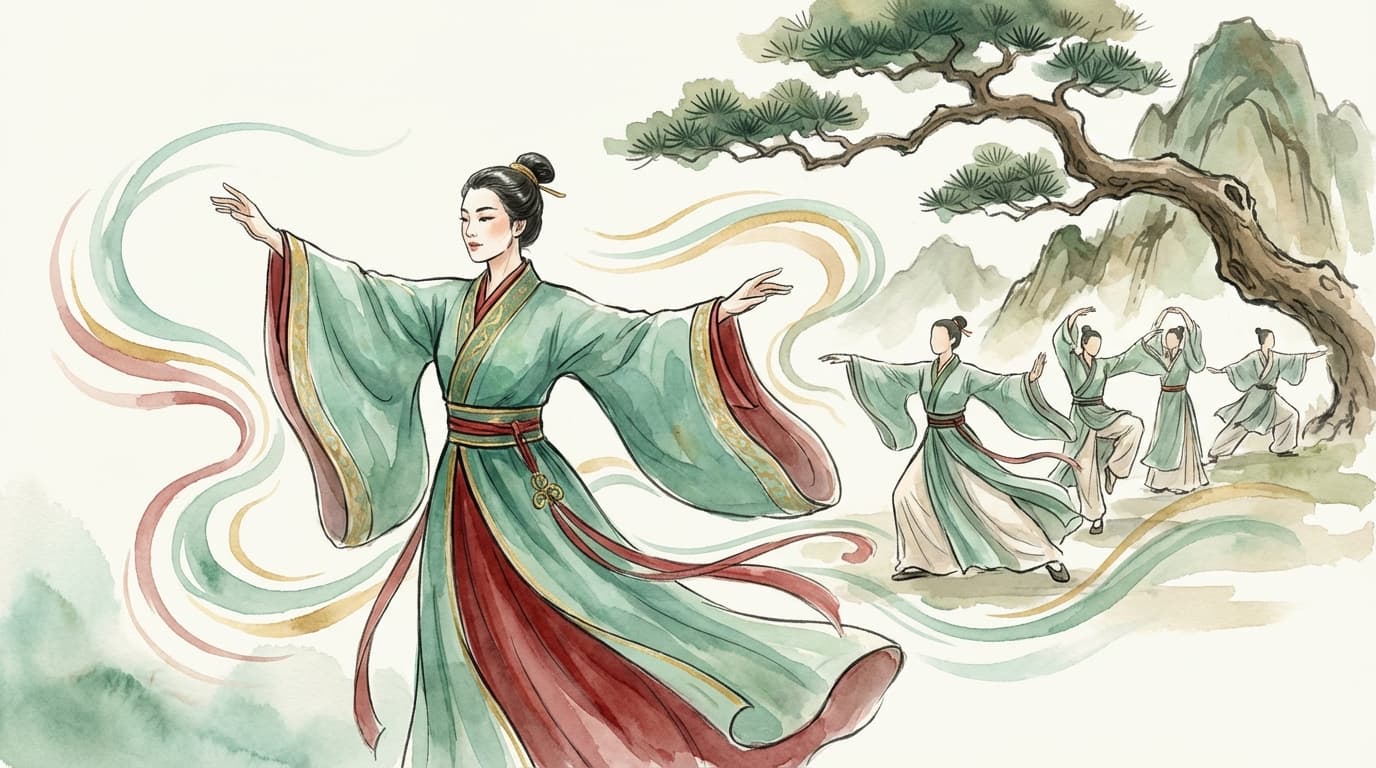
Ba Duan Jin is one of the oldest and most widely practiced therapeutic Qi Gong series, comprising eight codified exercises that strengthen organs, improve Qi circulation and prevent disease.
Liu Zi Jue is a therapeutic Qi Gong using six specific sounds emitted during exhalation to regulate and purify internal organs, each sound resonating with a Zang-Fu organ.
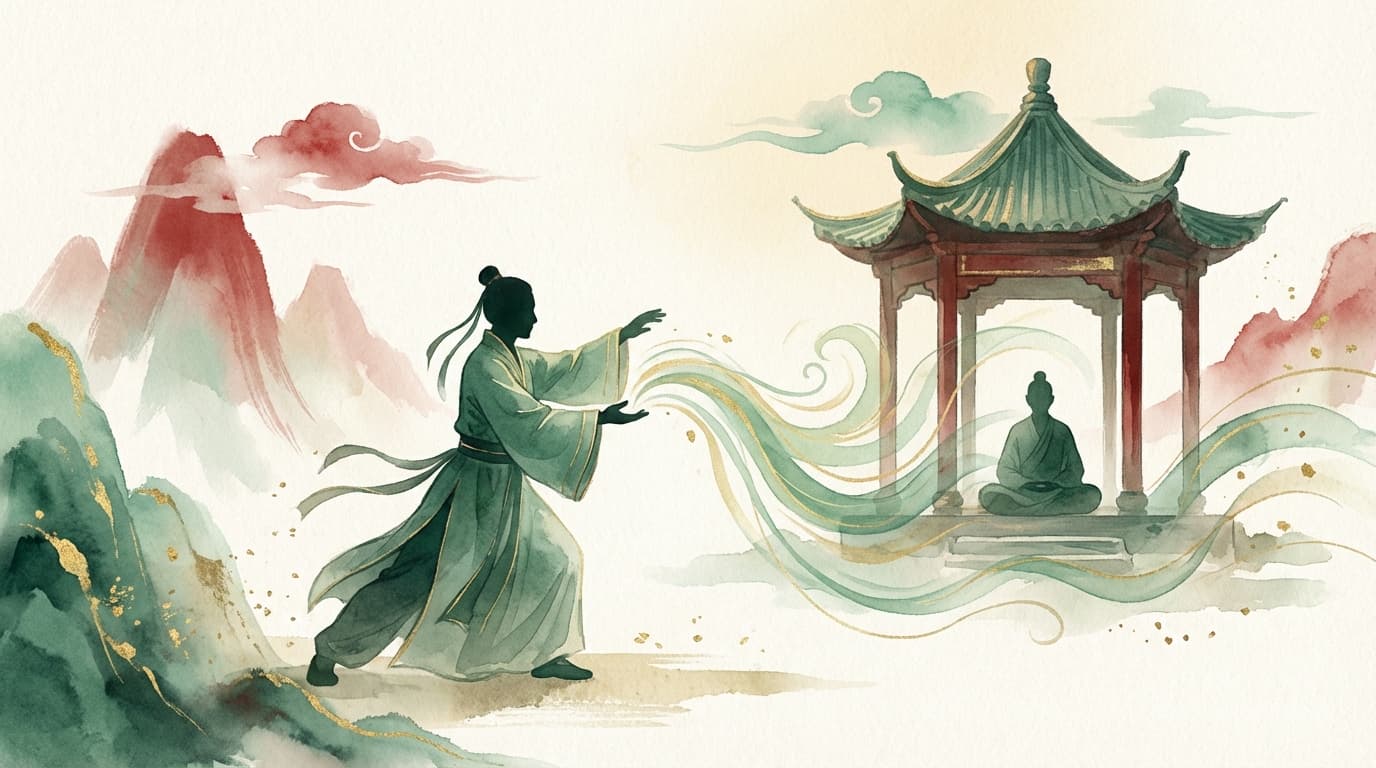
Medical Qi Gong is the therapeutic branch where the practitioner uses their own energetic abilities to project external Qi toward the patient, complementing personal Qi Gong exercises.