
Systemic & Family
Couples Therapy
Structured therapeutic support for couples in difficulty, aiming to improve communication, resolve conflicts and strengthen the attachment bond.
Read more
84 articles
Structured therapeutic support for couples in difficulty, aiming to improve communication, resolve conflicts and strengthen the attachment bond.

An approach treating psychological problems as relational system dysfunctions rather than individual pathologies, by modifying interactions and communication within the system.

A third-wave CBT therapy that develops psychological flexibility through acceptance of internal experiences and commitment to values-aligned actions.

An integrative third-wave therapy combining CBT, mindfulness and dialectical philosophy, initially designed for borderline personality disorder and extended to intense emotional dysregulation.

A structured, scientifically validated psychotherapy that identifies and modifies dysfunctional thoughts and maladaptive behaviors to treat anxiety, depression and numerous psychological disorders.

A third-wave therapy targeting not thought content but metacognitive processes — the beliefs and mental strategies that maintain pathological rumination and worry.

An integrative approach combining CBT, attachment theory and psychodynamic concepts to identify and transform early maladaptive schemas from childhood that perpetuate psychological suffering.

A structured behavioral treatment for depression that breaks the cycle of withdrawal and avoidance by scheduling valued and meaningful activities.

A systematic behavioral assessment method identifying antecedents, behaviors and consequences (ABC model) to understand and modify problematic patterns.

A classical behavioral technique developed by Joseph Wolpe, combining deep relaxation with gradual exposure to phobic stimuli to extinguish the conditioned anxiety response.

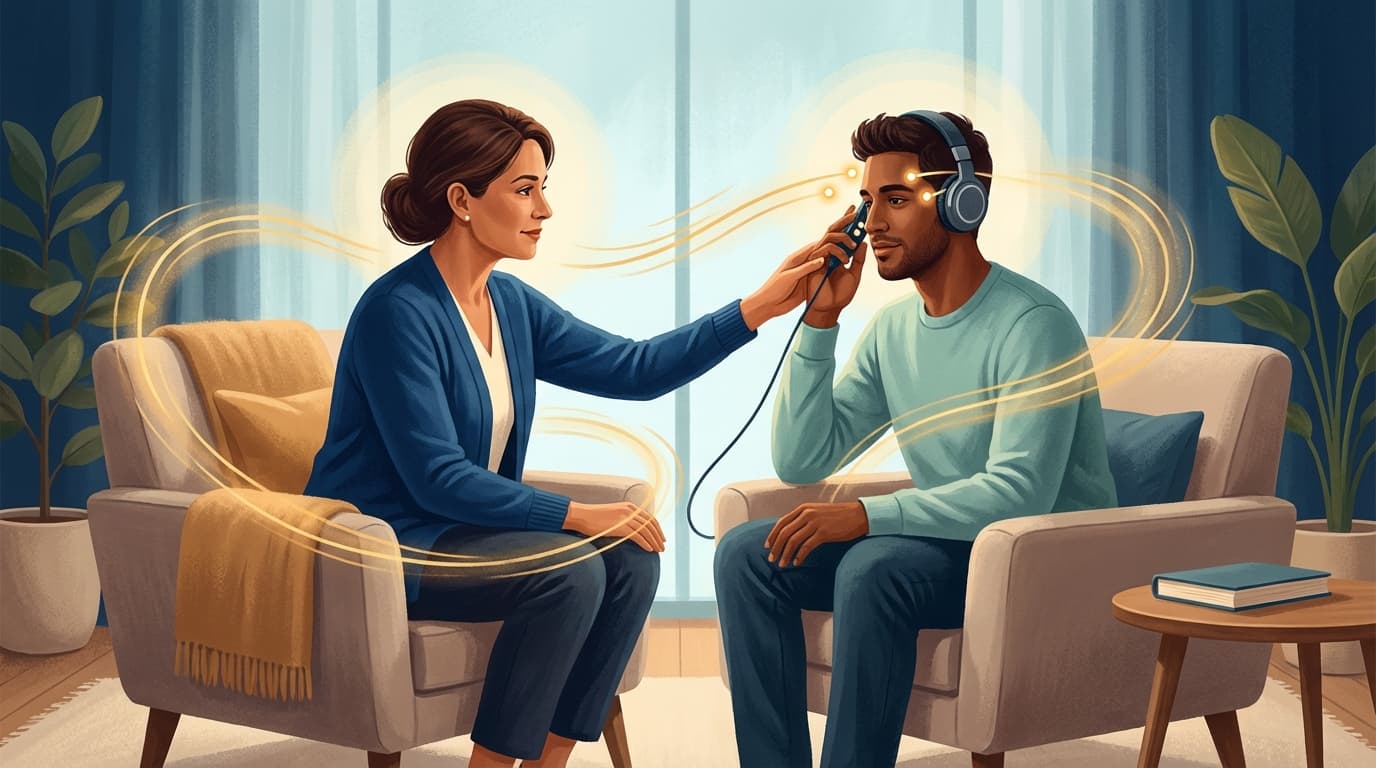
A neurobiological trauma therapy using eye position to locate and process brain areas storing unresolved traumatic experience.
A scientifically validated therapy using alternating bilateral stimulation (eye movements, tapping) to reprocess traumatic memories and reduce their emotional charge.

A psychotherapeutic model viewing the mind as a system of sub-personalities ('parts') organized around a compassionate core Self, offering a non-pathologizing path to trauma healing.

A psychosomatic trauma approach developed by Peter Levine, which releases traumatic energy trapped in the body through progressive sensory titration and pendulation.

A structured, validated CBT protocol for PTSD using repeated exposure to traumatic memories (imaginal) and avoided situations (in vivo) to reduce fear and avoidance behavior.

Group protocol where each participant taps simultaneously on their own problem while a volunteer works with the therapist, generating shared therapeutic benefits through resonance effect.

Self-hypnosis is the autonomous practice of hypnosis, allowing self-induction of an altered state of consciousness. A powerful empowerment tool, it extends and reinforces the effects of hypnotherapy sessions.

EFT protocols specifically adapted by age group — from tapping games with 4-7 year olds to adolescent empowerment — to reduce school anxiety, phobias, trauma, and improve self-esteem.