Therapeutic Qi Gong
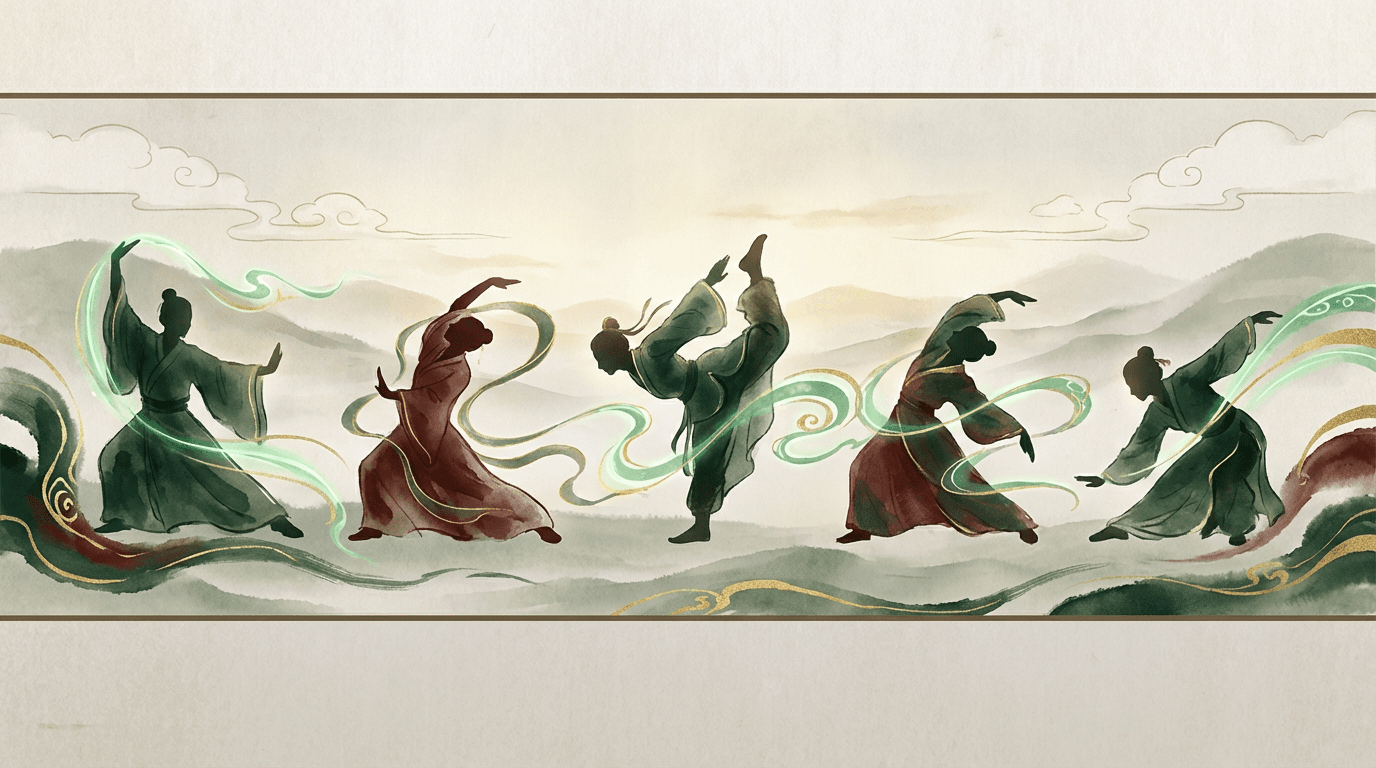
Wu Qin Xi (Five Animal Frolics)
Wu Qin Xi is a therapeutic Qi Gong imitating the movements of five animals — tiger, deer, bear, monkey and crane — created by physician Hua Tuo to strengthen organs and prevent disease.
Read more
78 articles
Wu Qin Xi is a therapeutic Qi Gong imitating the movements of five animals — tiger, deer, bear, monkey and crane — created by physician Hua Tuo to strengthen organs and prevent disease.
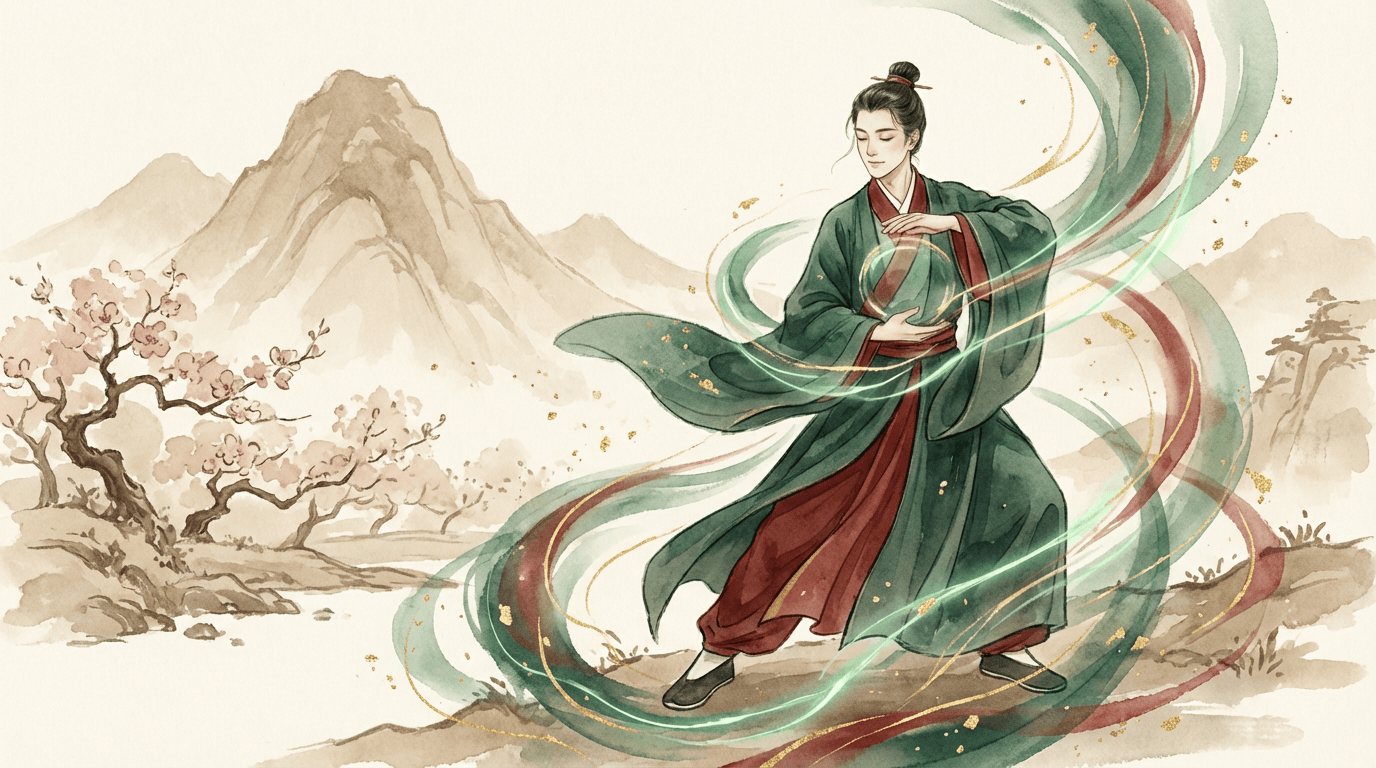
Zhan Zhuang is a static Qi Gong meditative practice of maintaining motionless standing postures to cultivate Qi, strengthen body structure and develop internal awareness.

Yang style Tai Chi is the most widely practiced style worldwide, characterized by its broad, fluid and slow movements, particularly suited for health and chronic disease prevention.

Cardiac coherence 365 is a rhythmic breathing technique (6 breaths/min, 5 minutes, 3 times/day) that synchronizes heart rhythm and the autonomic nervous system. Scientifically validated for stress, anxiety, and hypertension.

Pediatric Tuina is a therapeutic massage system specific to children aged 0–7, using pediatric-specific points and techniques to treat digestive, respiratory and immune disorders.

Group protocol where each participant taps simultaneously on their own problem while a volunteer works with the therapist, generating shared therapeutic benefits through resonance effect.

EFT protocols specifically adapted by age group — from tapping games with 4-7 year olds to adolescent empowerment — to reduce school anxiety, phobias, trauma, and improve self-esteem.

Technique where a practitioner or caregiver taps on themselves with intention for a person unable to practice EFT directly: infants, young children, sedated patients, animals, or distant persons.

Therapeutic Tai Chi is the clinical adaptation of Tai Chi Chuan for managing specific pathologies, with research-validated protocols for osteoarthritis, falls, depression and cardiovascular disease.
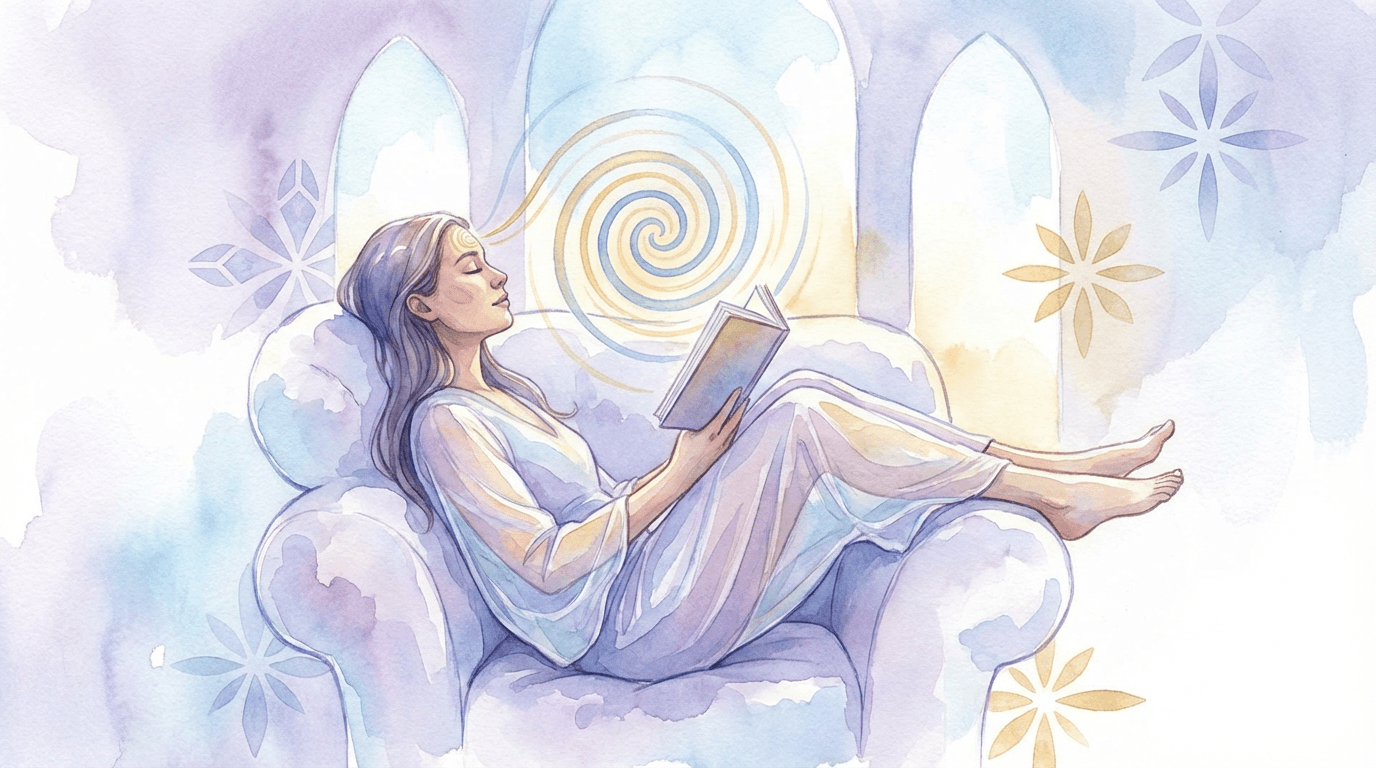
Self-hypnosis is the autonomous practice of hypnosis, allowing self-induction of an altered state of consciousness. A powerful empowerment tool, it extends and reinforces the effects of hypnotherapy sessions.

Humanistic hypnosis, created by Olivier Lockert, reverses the classical hypnosis mechanism: instead of dissociating consciousness, it unifies it by increasing the patient's state of awareness. The therapist guides in total transparency.

Hypno-analgesia uses hypnosis to reduce or eliminate pain perception during medical or surgical procedures. Scientifically validated, it is practiced in many hospitals as an alternative or complement to anesthesia.

Perinatal hypnosis supports pregnant women throughout pregnancy and childbirth. It helps reduce anxiety, manage pain naturally, and experience a more serene birth.

Metta meditation (Metta Bhavana) systematically cultivates loving-kindness toward oneself and then others. An ancestral Buddhist practice, it develops compassion, empathy, and positive connections.

Tonglen is a Tibetan Buddhist compassion meditation where one visualizes breathing in others' suffering and breathing out well-being and healing. Taught by Pema Chödrön and other Tibetan masters, it transforms self-centeredness into active empathy.

Body Scan is a guided meditation of progressively directing attention to each body part. A fundamental MBSR technique, it develops body awareness and induces deep relaxation.

Tibetan singing bowl meditation uses the sound vibrations of singing bowls to induce deep relaxation and meditative states. Harmonic frequencies act on the nervous system and promote body-mind harmonization.

Gong bath is a therapeutic sound immersion using large planetary gongs whose powerful vibrations and complex harmonics induce deep relaxation, promote emotional release, and stimulate cellular regeneration processes.