Bhramari (Bee Breath)
Bhramari Pranayama is a yogic breathing technique where exhalation is accompanied by a humming sound like a bee. This internal vibration instantly calms the nervous system, reduces anxiety and promotes deep concentration.
78 articles
Bhramari Pranayama is a yogic breathing technique where exhalation is accompanied by a humming sound like a bee. This internal vibration instantly calms the nervous system, reduces anxiety and promotes deep concentration.
Nadi Shodhana is alternate nostril breathing, a fundamental pranayama technique for balancing energies and calming the nervous system. It harmonizes brain hemispheres and reduces anxiety.
Ujjayi is the sonorous yoga breath produced by slight glottis contraction. Its characteristic ocean-like sound calms the mind, regulates the nervous system, and accompanies asana practice.
The Second Degree Dynamic Relaxation, inspired by Tibetan Buddhism, explores the contemplative dimension of consciousness. It develops the ability to mentally represent the body and work on self-image.
The First Degree Dynamic Relaxation, inspired by yoga, is the first step of the Caycedo method. It aims at discovering and mastering the body schema through concentration on physical sensations.
The Fourth Degree Dynamic Relaxation closes the fundamental cycle of Caycedian sophrology. It aims at the totalization of being through the exploration of universal values and the awareness of existence in its fullness.
The Third Degree Dynamic Relaxation, inspired by Japanese Zen, develops reflective meditation. It allows exploration of body-mind unity and integration of deep existential values.
Sensory sophro-substitution allows replacing an unpleasant sensation (pain, discomfort) with a pleasant one, using the brain's ability to modify sensory perception in an altered state of consciousness.
Yin Yoga is a slow, deep yoga where postures are held for 3-5 minutes. It targets connective tissues (fascia, ligaments, tendons) and promotes deep flexibility, meditation, and letting go.
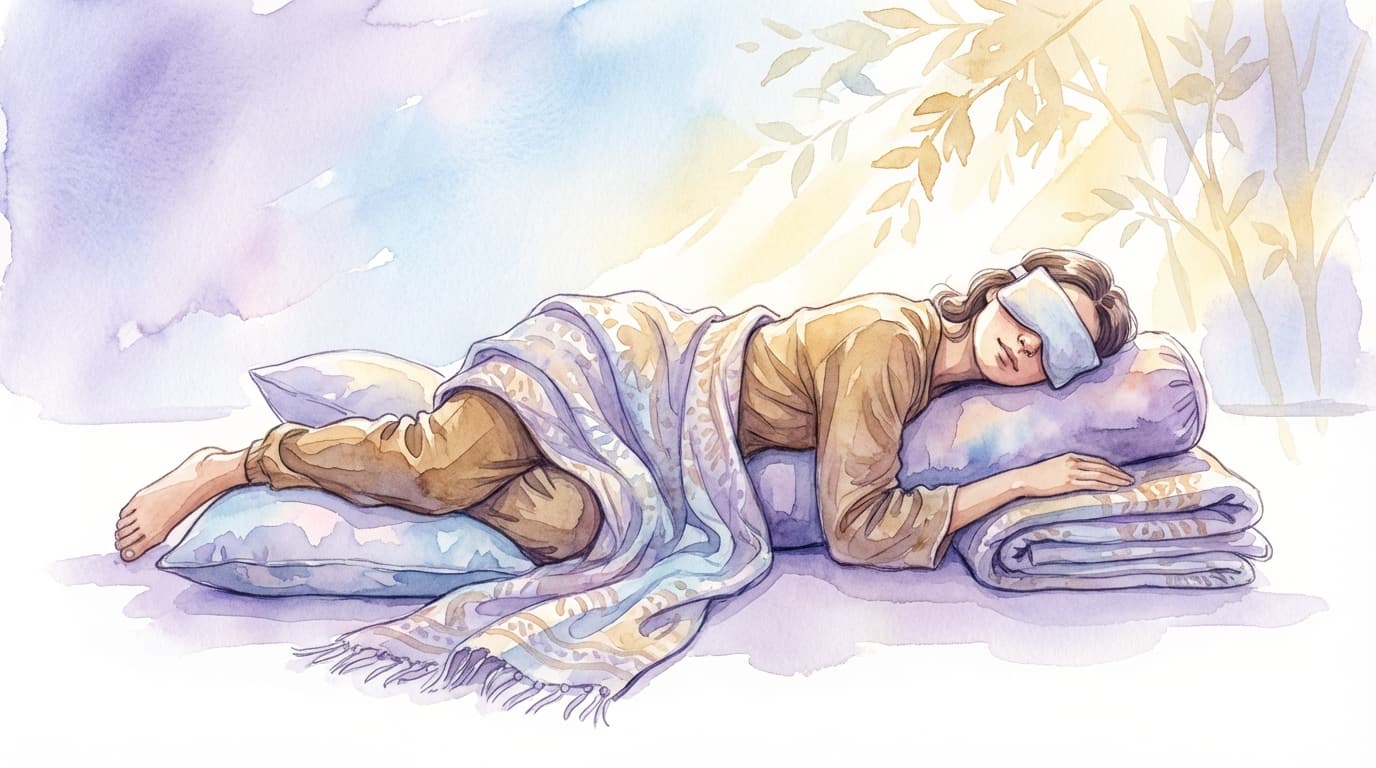
Yoga Nidra, or "yogic sleep," is a guided deep relaxation technique practiced lying down. It induces a state between waking and sleep allowing physical and mental regeneration equivalent to several hours of rest.
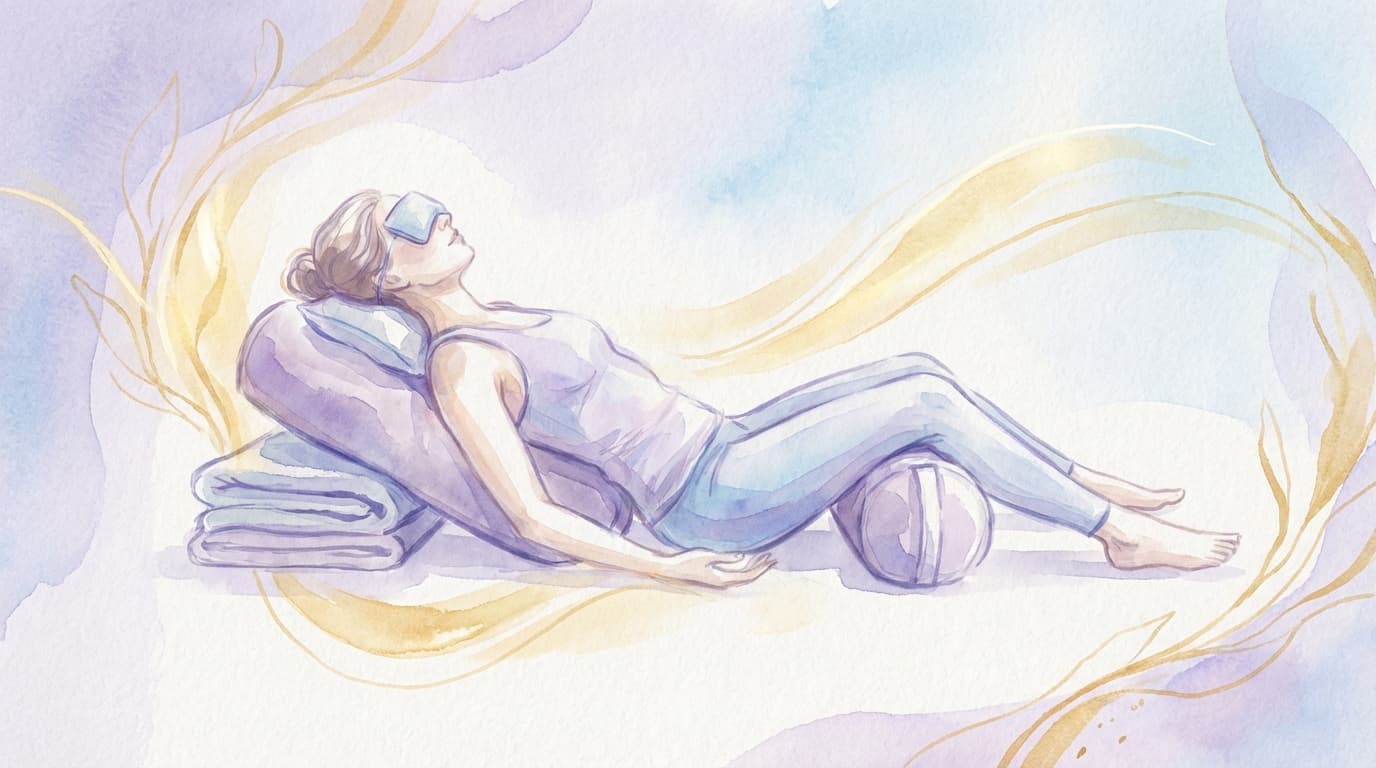
Restorative Yoga is a gentle, passive practice using many props (bolsters, blankets, blocks) to hold postures effortlessly for 5-20 minutes. It activates the parasympathetic nervous system, promoting deep body and mind healing.
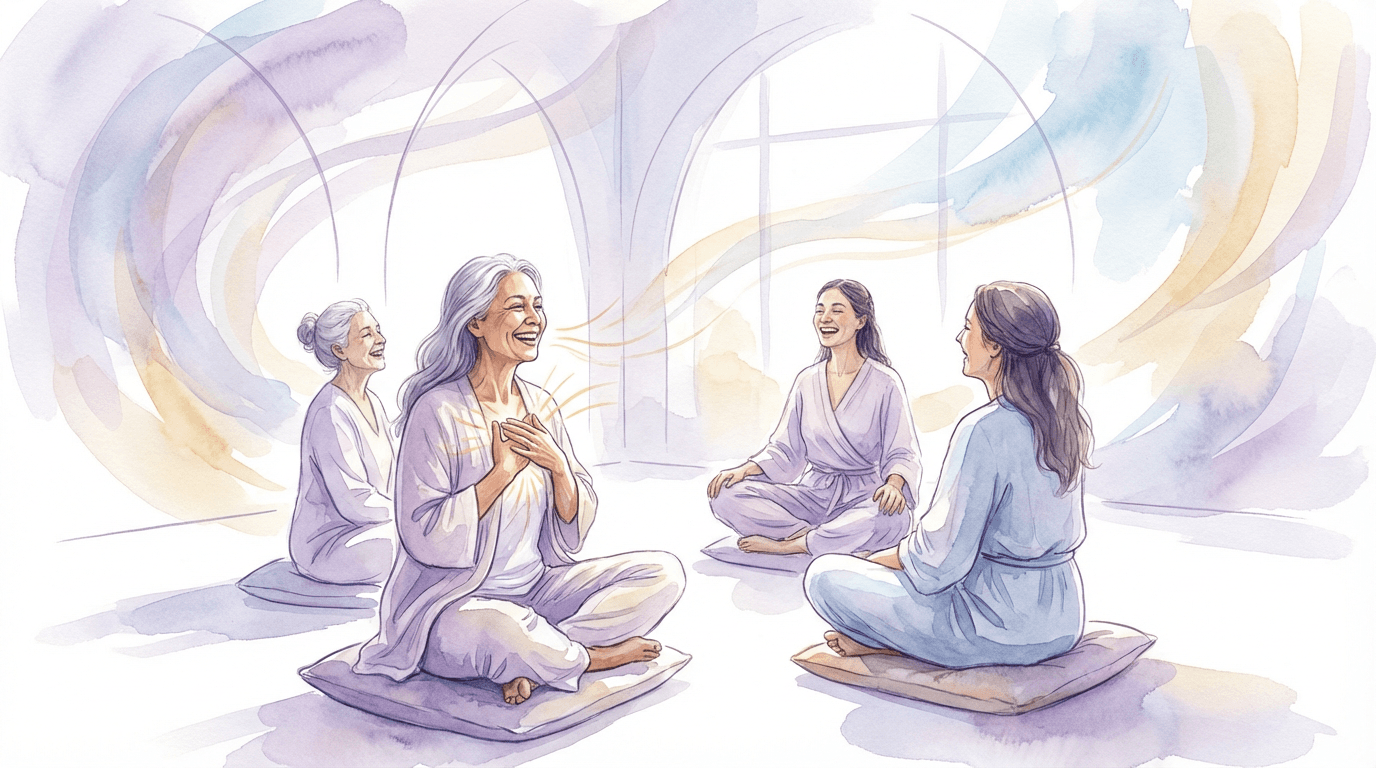
Laughter Yoga, created by Dr. Madan Kataria in 1995, combines voluntary laughter exercises with yogic breathing. The body cannot distinguish between simulated and spontaneous laughter: physiological benefits (endorphins, cortisol reduction, immune boost) are identical.
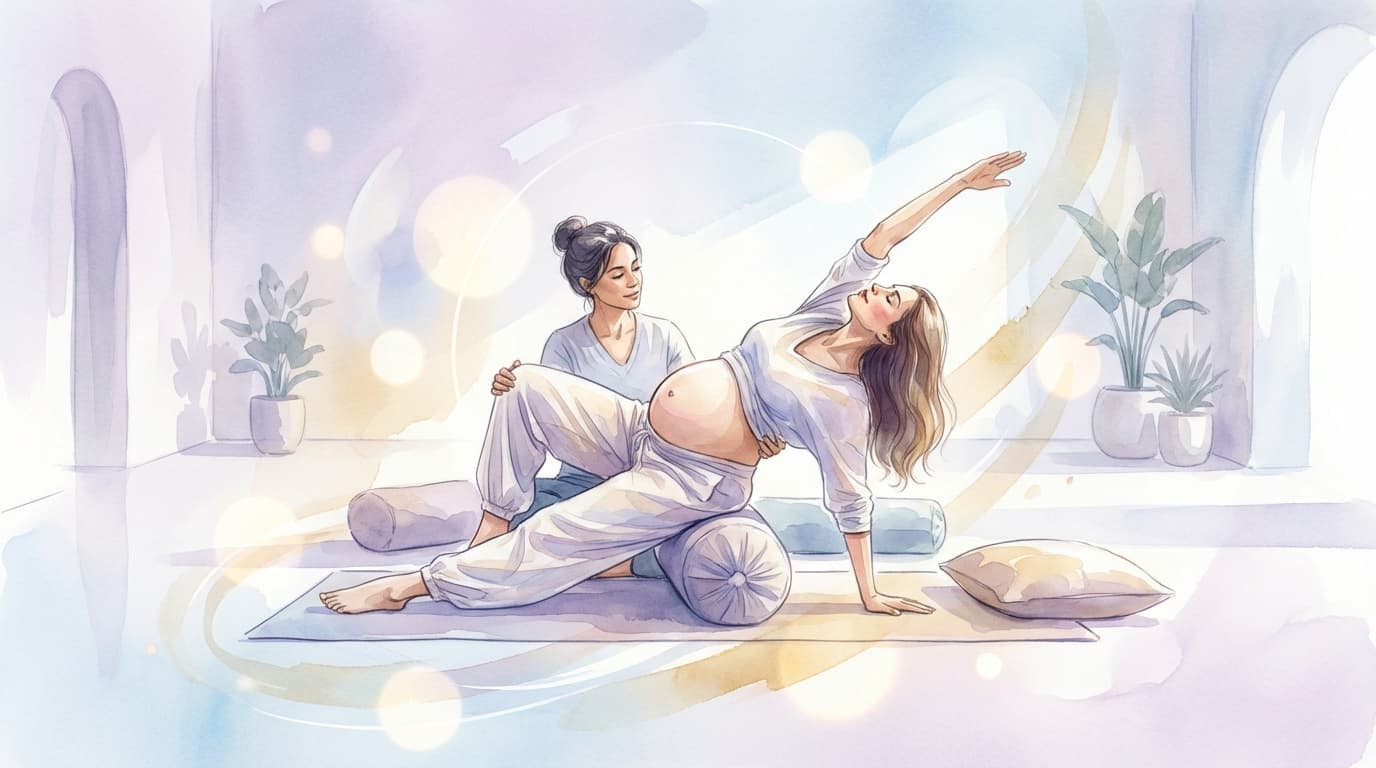
Prenatal yoga adapts postures, breathing, and relaxation to pregnant women's specific needs. It prepares body and mind for childbirth while relieving pregnancy discomforts.
Hatha Yoga is the most widespread traditional form of yoga in the West. It combines postures (asanas), breathing exercises (pranayama), and meditation to harmonize body and mind.
Iyengar Yoga, founded by B.K.S. Iyengar, is distinguished by its precision in postural alignment and use of props (blocks, straps, blankets). This therapeutic method is particularly suited for people with chronic pain and seniors.
Sivananda Yoga is a traditional holistic approach based on five principles: exercise, breathing, relaxation, diet, and positive thinking/meditation. Developed by Swami Vishnudevananda, it offers a complete, accessible practice based on 12 basic postures.
Abdominal acupuncture, developed by Prof. Bo Zhiyun, uses specific abdominal points forming a holographic microsystem to treat systemic conditions gently and almost painlessly.
Wrist-ankle acupuncture is a simplified technique using only 12 points located at the wrists and ankles to treat pain and functional disorders throughout the body, without seeking De Qi.