Second Degree Dynamic Relaxation (RDC2)
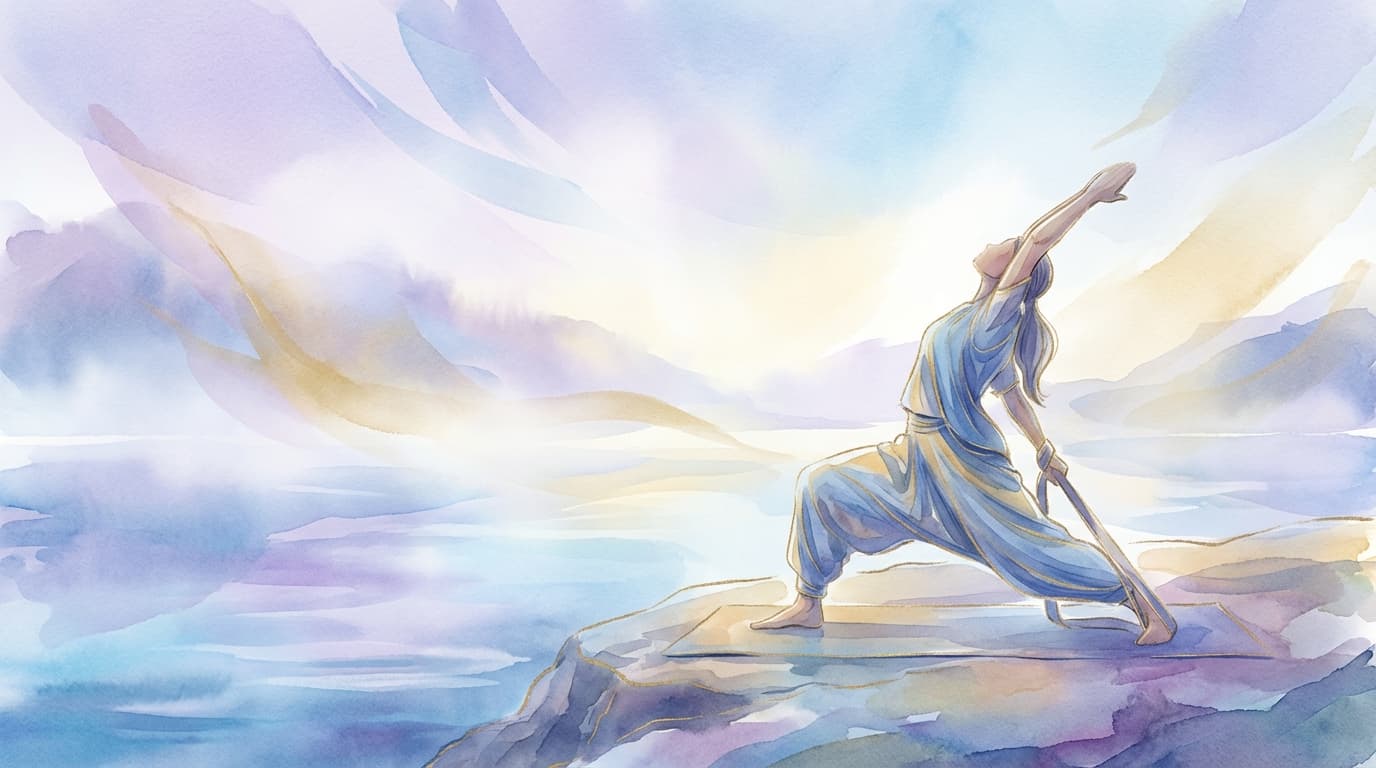
The Second Degree Dynamic Relaxation, inspired by Tibetan Buddhism, explores the contemplative dimension of consciousness. It develops the ability to mentally represent the body and work on self-image.
85 articles
The Second Degree Dynamic Relaxation, inspired by Tibetan Buddhism, explores the contemplative dimension of consciousness. It develops the ability to mentally represent the body and work on self-image.
The First Degree Dynamic Relaxation, inspired by yoga, is the first step of the Caycedo method. It aims at discovering and mastering the body schema through concentration on physical sensations.
The Fourth Degree Dynamic Relaxation closes the fundamental cycle of Caycedian sophrology. It aims at the totalization of being through the exploration of universal values and the awareness of existence in its fullness.
The Third Degree Dynamic Relaxation, inspired by Japanese Zen, develops reflective meditation. It allows exploration of body-mind unity and integration of deep existential values.
Progressive sophro-acceptance allows positive projection into an anxiety-inducing future event. By mentally experiencing the event in a relaxed state, the practitioner programs a serene and confident response.
Serial sophro-correction is a sophrological technique aimed at progressively desensitizing a phobia or fear by reliving anxiety-inducing situations in stages, within a state of deep relaxation.
Projective sophro-stimulation uses creative imagination to stimulate adaptive capabilities. The practitioner projects into different future scenarios to develop mental flexibility and creativity when facing challenges.
Sensory sophro-substitution allows replacing an unpleasant sensation (pain, discomfort) with a pleasant one, using the brain's ability to modify sensory perception in an altered state of consciousness.
Restorative Yoga is a gentle, passive practice using many props (bolsters, blankets, blocks) to hold postures effortlessly for 5-20 minutes. It activates the parasympathetic nervous system, promoting deep body and mind healing.
Iyengar Yoga, founded by B.K.S. Iyengar, is distinguished by its precision in postural alignment and use of props (blocks, straps, blankets). This therapeutic method is particularly suited for people with chronic pain and seniors.
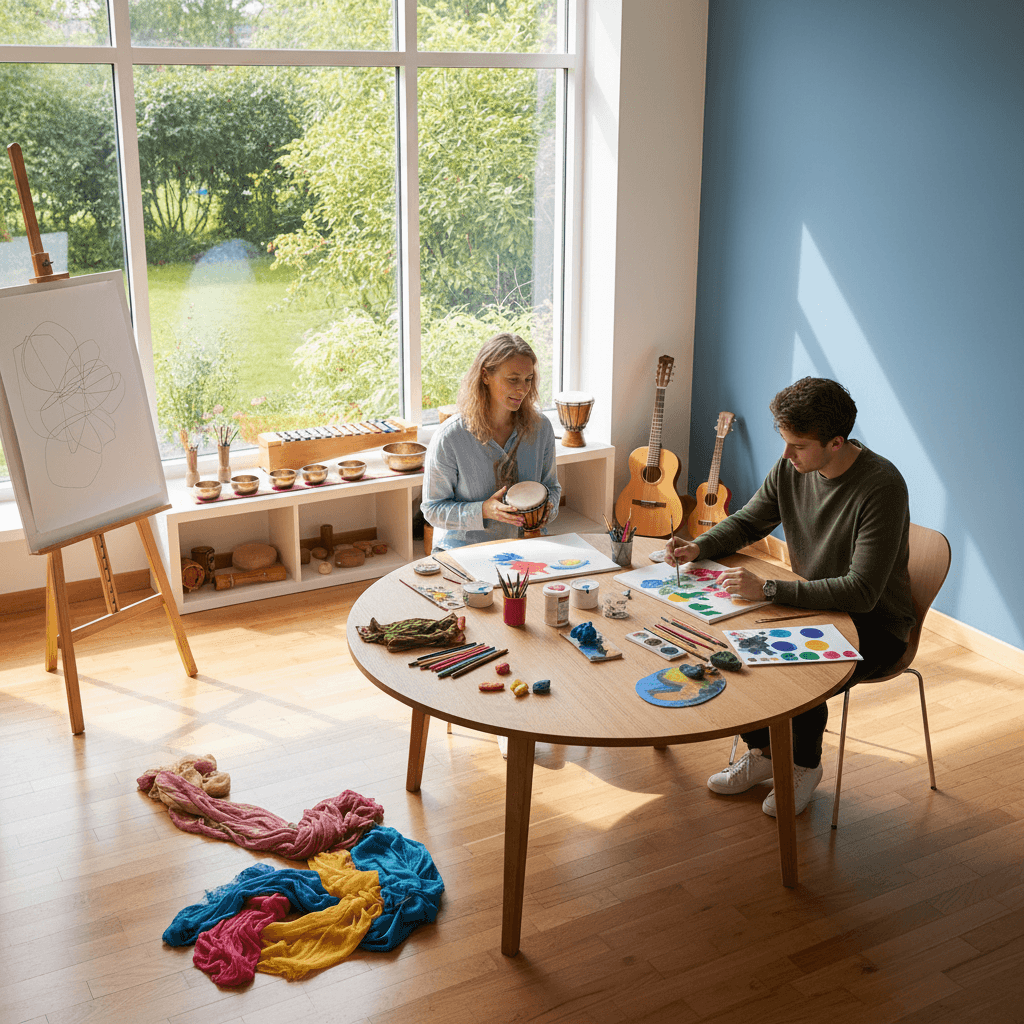
A psychotherapy using visual art creation (painting, drawing, modeling, collage) as therapeutic mediation to express and transform psychic conflicts beyond words.
Therapeutic use of reading and writing to foster emotional expression, awareness, narrative restructuring and the psychic healing process.
A therapy using music and sound (listening, improvisation, composition) as therapeutic mediators to improve physical, emotional and cognitive health.