Wrist-Ankle Acupuncture
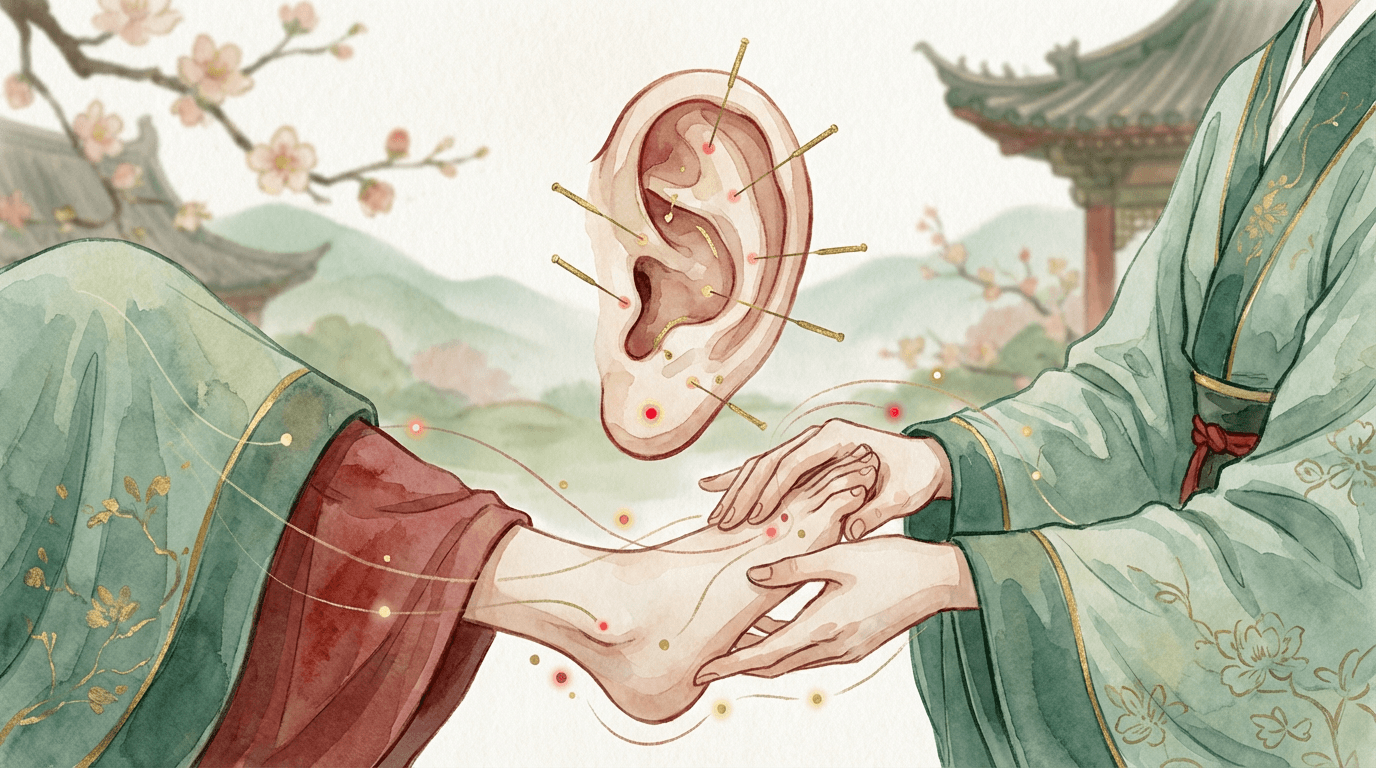
Wrist-ankle acupuncture is a simplified technique using only 12 points located at the wrists and ankles to treat pain and functional disorders throughout the body, without seeking De Qi.
Encyclopedia of traditional Chinese medicine: acupuncture and its variants, moxibustion, cupping, Chinese pharmacopoeia, Tuina, Qi Gong, Tai Chi and TCM diagnosis.
Wrist-ankle acupuncture is a simplified technique using only 12 points located at the wrists and ankles to treat pain and functional disorders throughout the body, without seeking De Qi.
Traditional body acupuncture is the foundational form of Chinese acupuncture, based on stimulating precise points along meridians to restore Qi circulation and rebalance the body's energy.
Electro-acupuncture combines traditional acupuncture with low-intensity electrical stimulation, amplifying the analgesic and regulatory effects of classical needling.
Abdominal acupuncture, developed by Prof. Bo Zhiyun, uses specific abdominal points forming a holographic microsystem to treat systemic conditions gently and almost painlessly.
Jiao Shunfa's scalp acupuncture is a system of stimulating linear scalp zones corresponding to cerebral cortical areas, particularly effective for neurological rehabilitation.
Auriculotherapy, codified by Dr. Paul Nogier, uses the ear auricle as a somatotopic microsystem to diagnose and treat pathologies throughout the body by stimulating auricular reflex points.
YNSA is a craniopuncture system developed by Dr. Toshikatsu Yamamoto, using frontal and occipital somatotopic scalp zones to treat pain and neurological disorders.
Su Jok is a Korean therapeutic microsystem that uses hands and feet as holographic representations of the entire body, combining pressure, needle, moxa and seed stimulation.
Laser acupuncture uses low-level laser beams to stimulate acupuncture points without needles, offering a non-invasive, painless alternative particularly suited for children and sensitive patients.
Sa-Am acupuncture is a sophisticated Korean system using exclusively the Five Element Shu-antique points, combining tonification and dispersion with only 4 needles per treatment to rebalance Zang-Fu organs.
Cosmetic acupuncture uses ultra-fine needles inserted into facial muscles and body acupuncture points to stimulate collagen production, improve micro-circulation and reduce signs of aging.
Toyohari is an ultra-gentle Japanese acupuncture style, often without skin penetration, using gold and silver needles held at skin contact to harmonize Qi according to classical meridian tradition.
Kiiko Matsumoto style is a contemporary Japanese acupuncture system based on abdominal palpation (Hara) and diagnostic reflexes for immediately verifiable treatment.
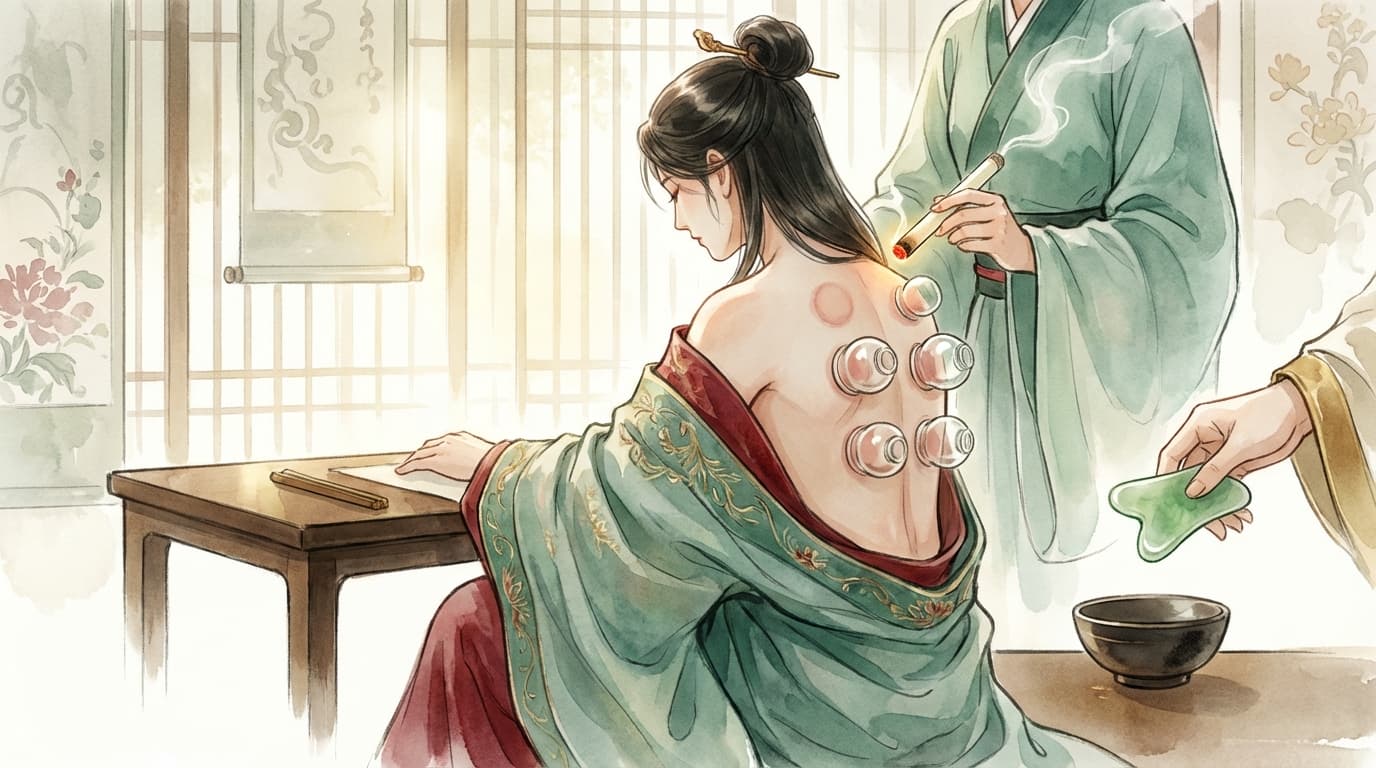
Moxibustion uses the combustion of dried mugwort (Artemisia vulgaris) to heat acupuncture points, tonify Yang, warm meridians and dispel Cold and Dampness.
Chinese cupping creates local suction on the skin to mobilize Qi and Blood, disperse stagnation, eliminate Cold-Dampness and relieve musculoskeletal pain.
Gua Sha is a Chinese therapeutic scraping technique using a smooth-edged tool, producing controlled petechiae (Sha) that indicate Blood stagnation release and relieve pain and inflammation.
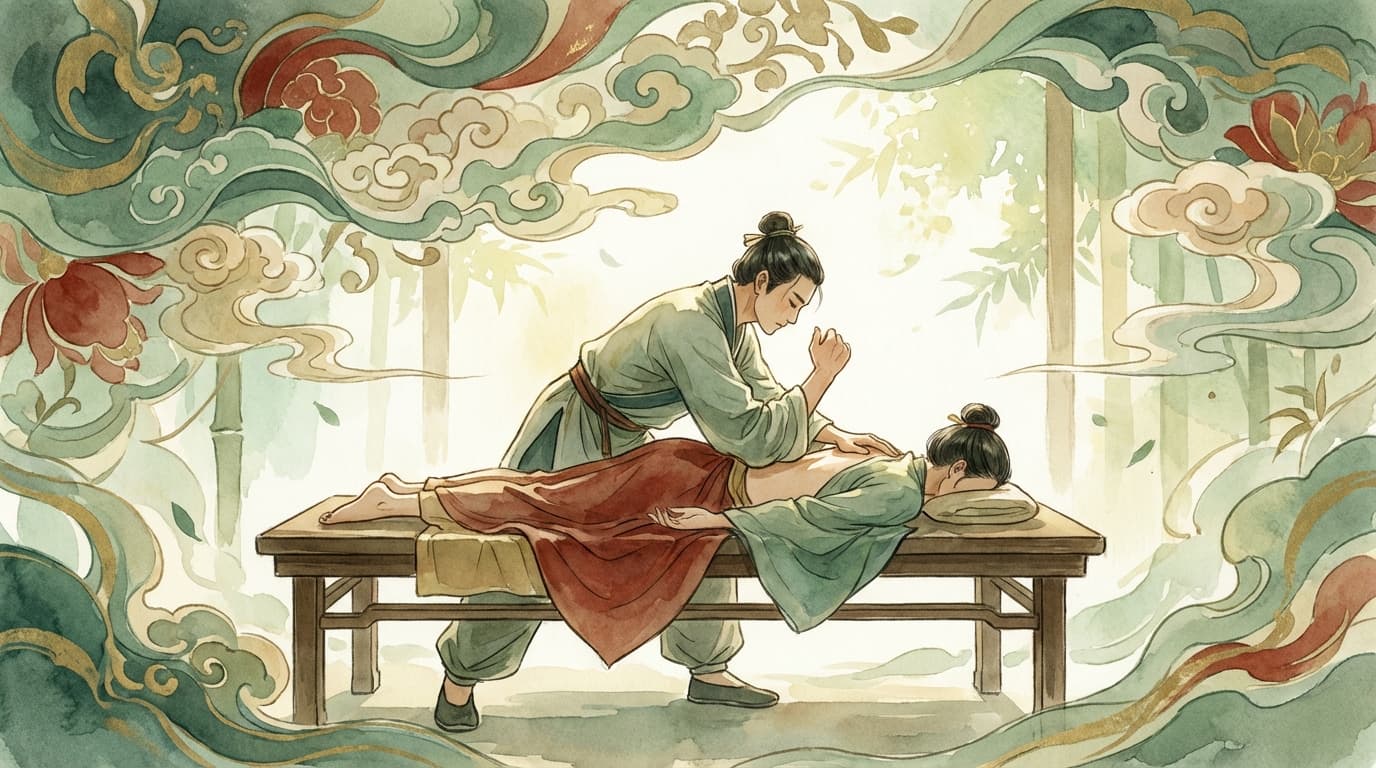
Pediatric Tuina is a therapeutic massage system specific to children aged 0–7, using pediatric-specific points and techniques to treat digestive, respiratory and immune disorders.
Tuina is Chinese therapeutic massage using specific manual techniques (pushing, grasping, kneading, rolling) on meridians and acupuncture points to treat musculoskeletal and internal pathologies.
Liu Zi Jue is a therapeutic Qi Gong using six specific sounds emitted during exhalation to regulate and purify internal organs, each sound resonating with a Zang-Fu organ.
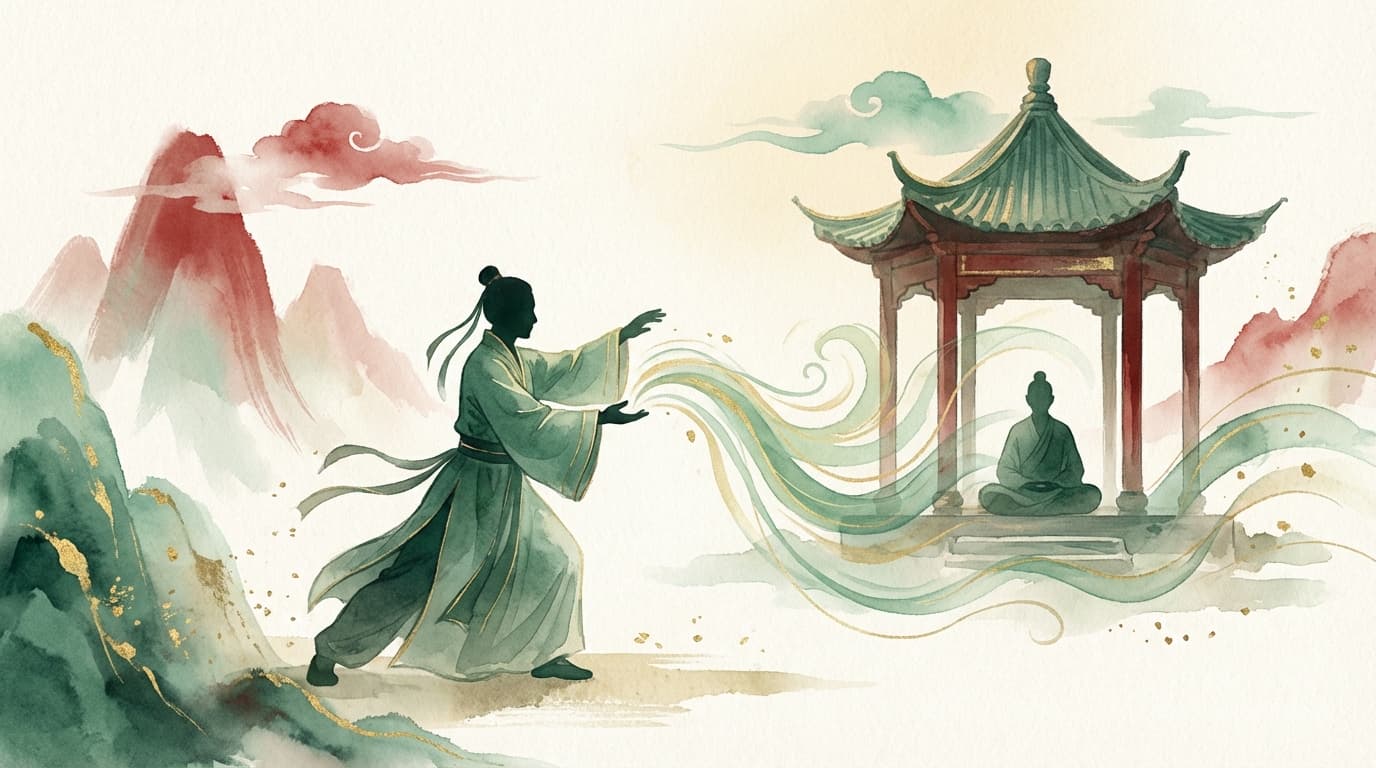
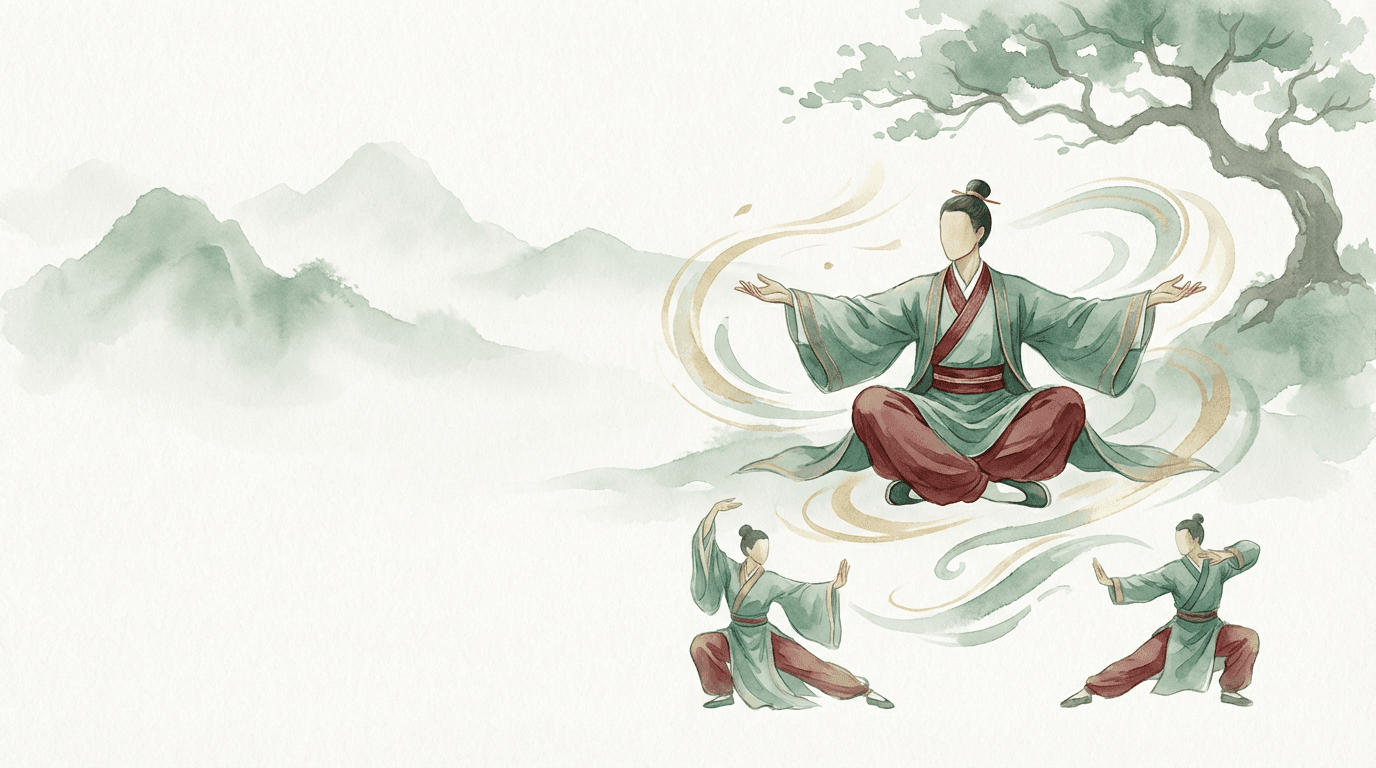
Medical Qi Gong is the therapeutic branch where the practitioner uses their own energetic abilities to project external Qi toward the patient, complementing personal Qi Gong exercises.
Zhan Zhuang is a static Qi Gong meditative practice of maintaining motionless standing postures to cultivate Qi, strengthen body structure and develop internal awareness.
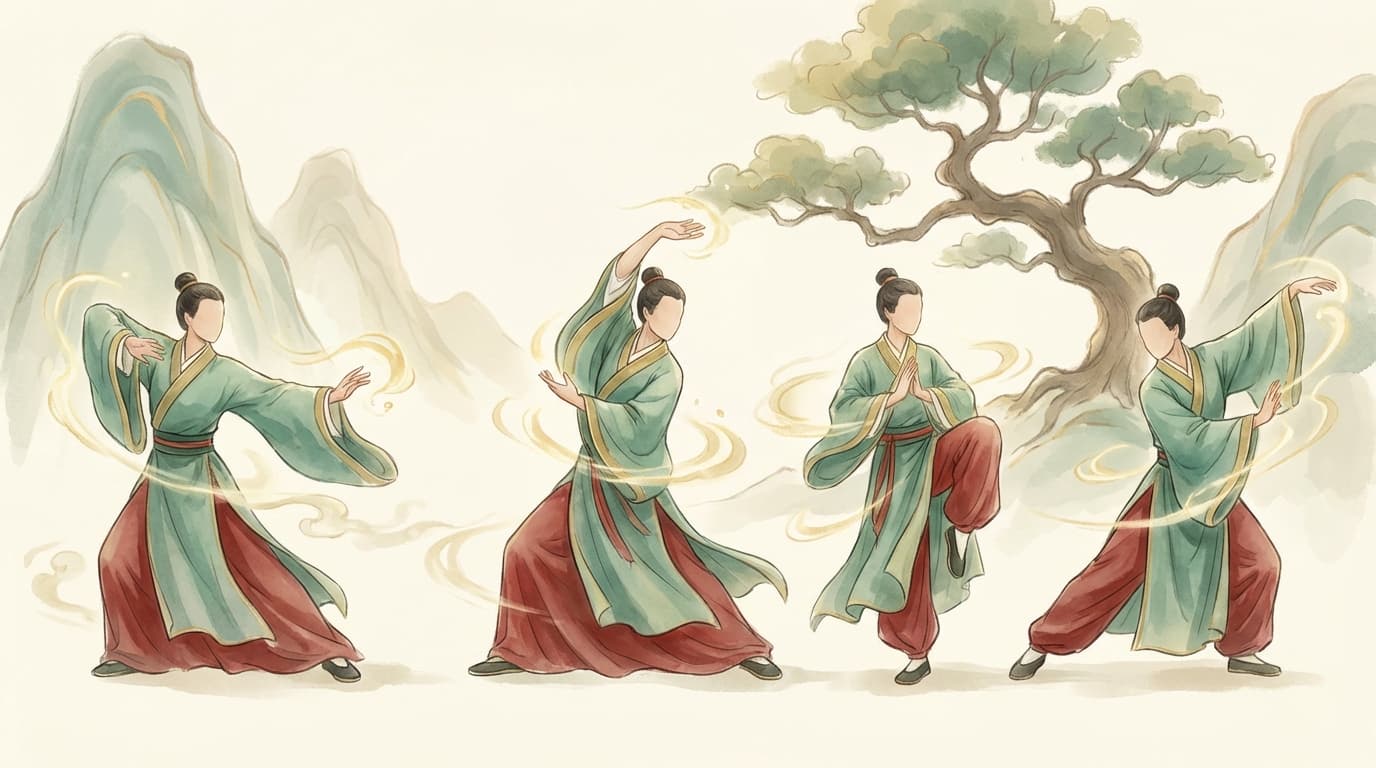
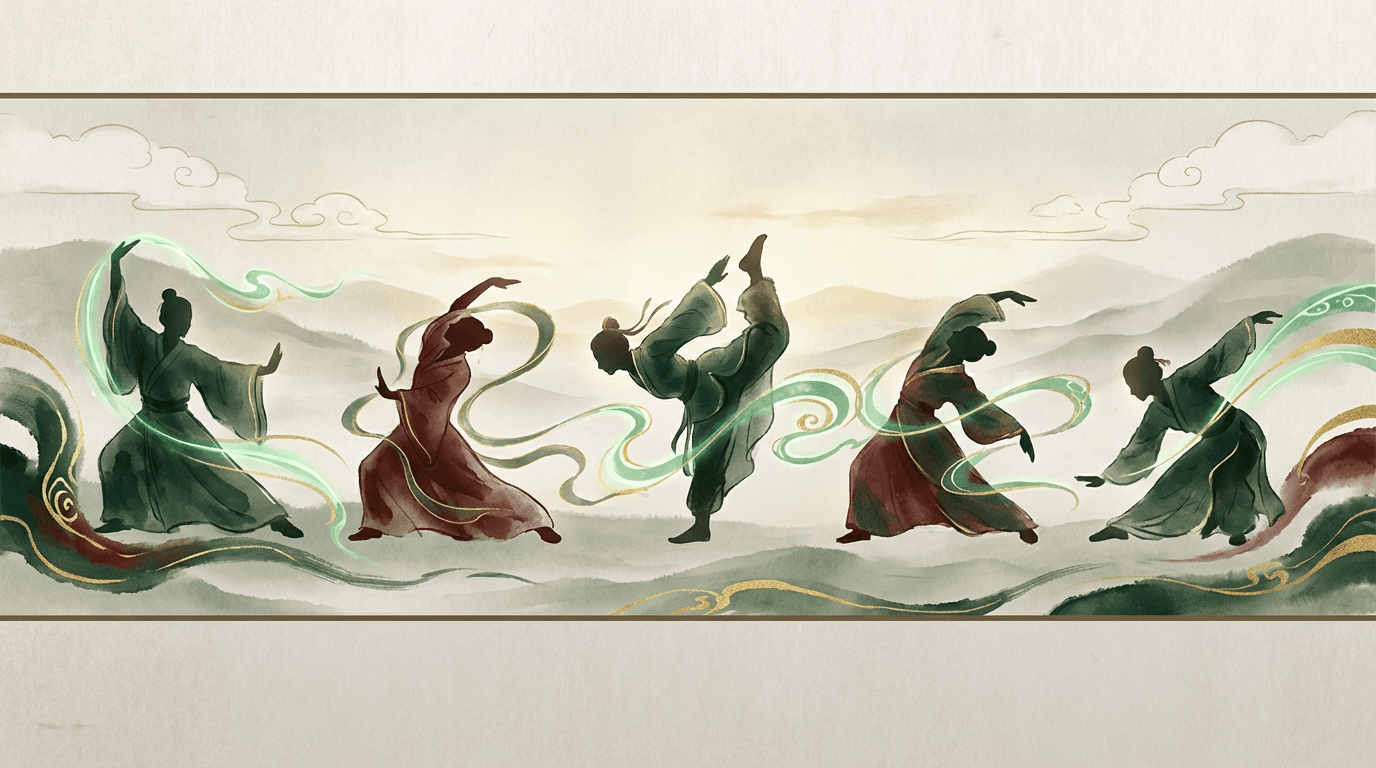
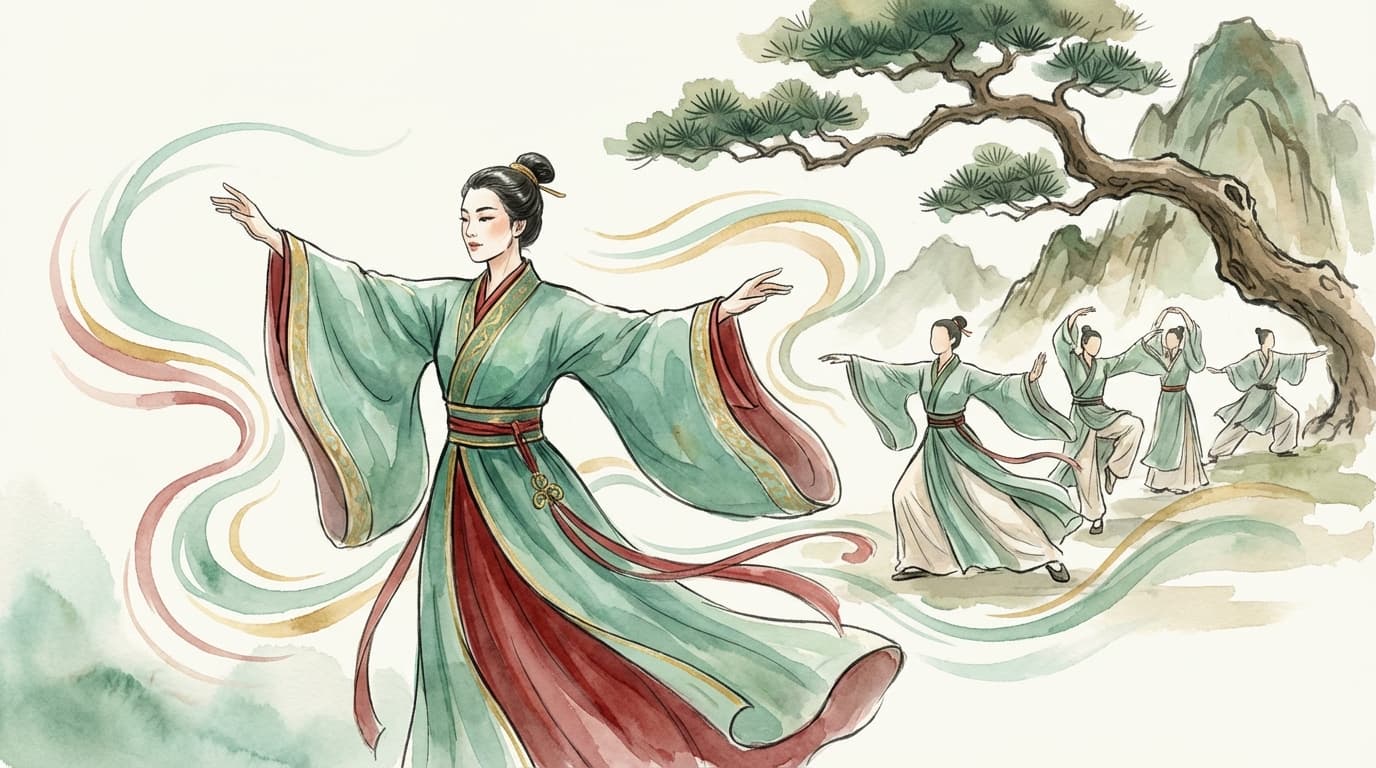
Ba Duan Jin is one of the oldest and most widely practiced therapeutic Qi Gong series, comprising eight codified exercises that strengthen organs, improve Qi circulation and prevent disease.
Wu Qin Xi is a therapeutic Qi Gong imitating the movements of five animals — tiger, deer, bear, monkey and crane — created by physician Hua Tuo to strengthen organs and prevent disease.
Yi Jin Jing is a muscle-tendon strengthening Qi Gong attributed to monk Bodhidharma, combining deep stretching, breathing and isometric contraction to transform tendons and strengthen body structure.
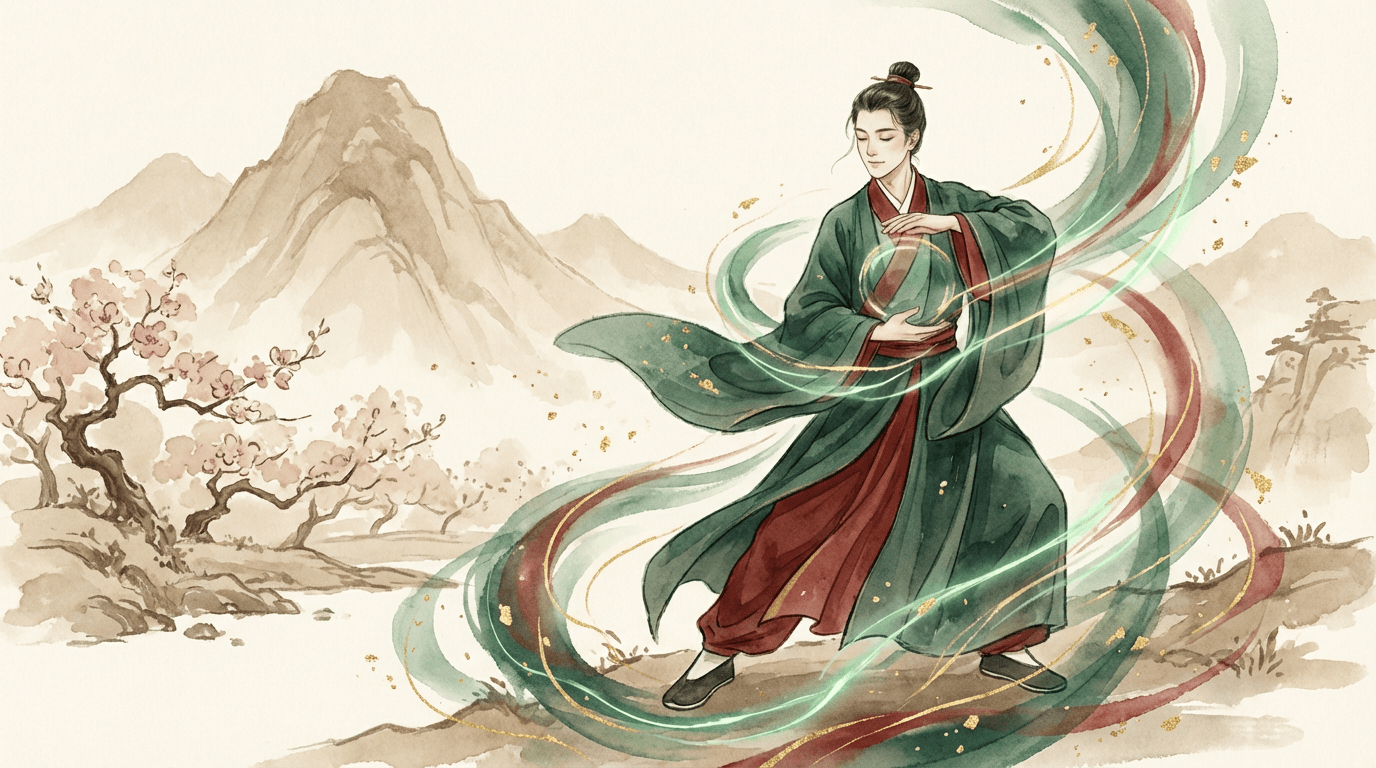
Yang style Tai Chi is the most widely practiced style worldwide, characterized by its broad, fluid and slow movements, particularly suited for health and chronic disease prevention.
Therapeutic Tai Chi is the clinical adaptation of Tai Chi Chuan for managing specific pathologies, with research-validated protocols for osteoarthritis, falls, depression and cardiovascular disease.
Chen style Tai Chi is the original Tai Chi Chuan style, characterized by alternating slow movements and explosive releases (Fa Jin), combining meditative fluidity and martial power.
Chinese herbal medicine is a complex therapeutic system using over 500 natural substances (plants, minerals, animal substances) prescribed as personalized formulas based on TCM differential diagnosis.
Classical Chinese herbal formulas are codified combinations of medicinal plants transmitted for centuries, forming the basis of prescription in traditional Chinese medicine.
Tongue diagnosis is a visual assessment method of the tongue — body, color, shape, coating — enabling rapid identification of internal organ status, imbalance nature and pathology depth.
Five Elements theory (Wood, Fire, Earth, Metal, Water) is a fundamental philosophical and clinical framework of TCM, describing generation and control relationships between organs, emotions, seasons and tissues.
Yin-Yang theory is the philosophical foundation of all traditional Chinese medicine, describing the complementary and dynamic duality governing all physiological and pathological phenomena.
Chinese pulse diagnosis is the refined art of palpating radial pulses to identify up to 28 pulse qualities revealing organ status, imbalance nature and therapeutic direction.
Zang-Fu theory is the TCM physiology system describing the functions of five Yin organs (Zang) and six Yang bowels (Fu), their interrelations and clinical manifestations.
The Eight Principles (Ba Gang) form the fundamental diagnostic framework of TCM, classifying all imbalances according to four pairs of opposites: Yin/Yang, Interior/Exterior, Cold/Heat, Deficiency/Excess.