Guided Meditation / Body Scan
Body scan is a meditation technique that traverses the body from bottom to top, releasing each muscle zone for deep relaxation.
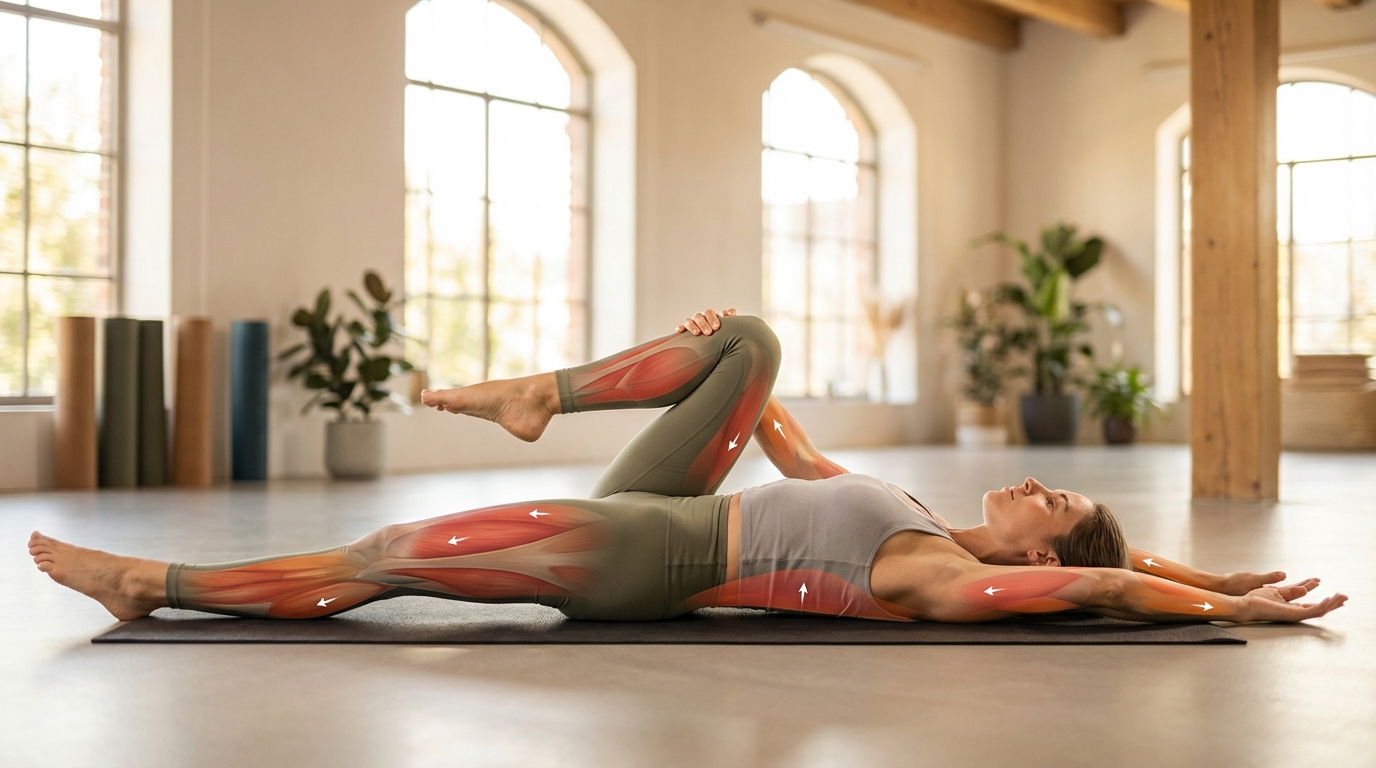
Guided Meditation / Body Scan
Breathing and relaxation techniques form a fundamental pillar of physical and mental well-being. Breathing is the only physiological process that is both automatic and voluntary — this unique bridge between the autonomic nervous system and our conscious control offers a powerful tool to regulate stress, anxiety, pain and emotional states. Mastering your breathing means mastering your physiology.
Physiological Foundations
Each breathing technique acts on the balance between the sympathetic (activation, stress) and parasympathetic (relaxation, recovery) nervous systems. Extending the exhalation stimulates the vagus nerve, activating the relaxation response: heart rate slowing, blood pressure reduction, cortisol decrease and increased heart rate variability (HRV), a key marker of cardiovascular health and stress resilience.
Step-by-Step Instructions
Step 1 — Environment
Choose a quiet, comfortable place at a pleasant temperature. Settle lying down or sitting comfortably. Close your eyes or adopt a soft downward gaze. Loosen any restrictive clothing.
Step 2 — Awareness
Before beginning the technique, simply observe your natural breathing for 30 seconds. Note its rhythm, depth and the areas of your body that move. This observation creates the transition between activity and practice.
Step 3 — Technique Practice
Follow the specific protocol of the chosen technique. Maintain attention on breathing. When the mind wanders (and it will), simply bring it back to the breath without judgment. Rhythm regularity is more important than perfection.
Step 4 — Gradual Return
At the end of practice, let breathing return to its natural rhythm. Take a few moments to observe body sensations before opening your eyes and resuming activities.
Duration and Frequency
- Duration: 5-20 minutes depending on the technique
- Frequency: daily for measurable benefits
- Ideal timing: morning upon waking, before bed, or during stress
Safety Tips
- If you experience dizziness, nausea or increased anxiety, return to natural breathing.
- Hyperventilation techniques (Wim Hof) should never be practiced in water, while driving or at altitude.
- Epileptic, pregnant or cardiac individuals should consult before extended breath retention techniques.
- Deep relaxation may surface emotions — this is normal and part of the release process.
Variations and Adaptations
- Walking — synchronize breathing with steps (4 steps inhale, 6 steps exhale).
- At work — micro-sessions of 2-3 minutes between tasks.
- With music — add relaxation music or nature sounds to deepen the experience.
- Guided — use an app or audio recording for beginners.
Target Audience
These techniques are universal and suited to all ages and conditions. They are particularly beneficial for stressed, anxious individuals, insomnia sufferers, athletes in recovery, chronic pain patients and those in therapeutic care.
Diagrams and illustrations
Guided Meditation / Body Scan illustration
Guided Meditation / Body Scan — breathing and relaxation technique.