
Systémique & Familiale
Thérapie de Couple
Accompagnement thérapeutique structuré des couples en difficulté, visant à améliorer la communication, résoudre les conflits et renforcer le lien d'attachement.
Lire la suite
84 articles
Accompagnement thérapeutique structuré des couples en difficulté, visant à améliorer la communication, résoudre les conflits et renforcer le lien d'attachement.

Approche qui traite les problèmes psychologiques comme des dysfonctionnements du système relationnel plutôt que comme des pathologies individuelles, en modifiant les interactions et la communication au sein du système.

Thérapie de 3e vague des TCC qui développe la flexibilité psychologique par l'acceptation des expériences internes et l'engagement dans des actions alignées sur les valeurs personnelles.

Thérapie intégrative de 3e vague combinant TCC, pleine conscience et philosophie dialectique, conçue initialement pour le trouble borderline et étendue à la régulation émotionnelle intense.

Psychothérapie structurée et validée scientifiquement qui identifie et modifie les pensées dysfonctionnelles et les comportements inadaptés pour traiter anxiété, dépression et de nombreux troubles psychologiques.

Thérapie de 3e vague ciblant non pas le contenu des pensées mais les processus métacognitifs — les croyances et stratégies mentales qui maintiennent la rumination et l'inquiétude pathologiques.

Approche intégrative combinant TCC, théorie de l'attachement et psychodynamique pour identifier et transformer les schémas précoces inadaptés issus de l'enfance qui perpétuent la souffrance psychologique.

Traitement comportemental structuré de la dépression qui brise le cycle de retrait et d'évitement en planifiant des activités valorisantes et alignées sur les valeurs du patient.

Méthode d'évaluation comportementale systématique qui identifie les antécédents, comportements et conséquences (modèle ABC) pour comprendre et modifier les patterns problématiques.

Technique comportementale classique développée par Joseph Wolpe, qui associe la relaxation profonde à une exposition graduelle aux stimuli phobogènes pour éteindre la réponse anxieuse conditionnée.

Thérapie neurobiologique du trauma utilisant la position du regard pour localiser et traiter les zones cérébrales stockant l'expérience traumatique non résolue.
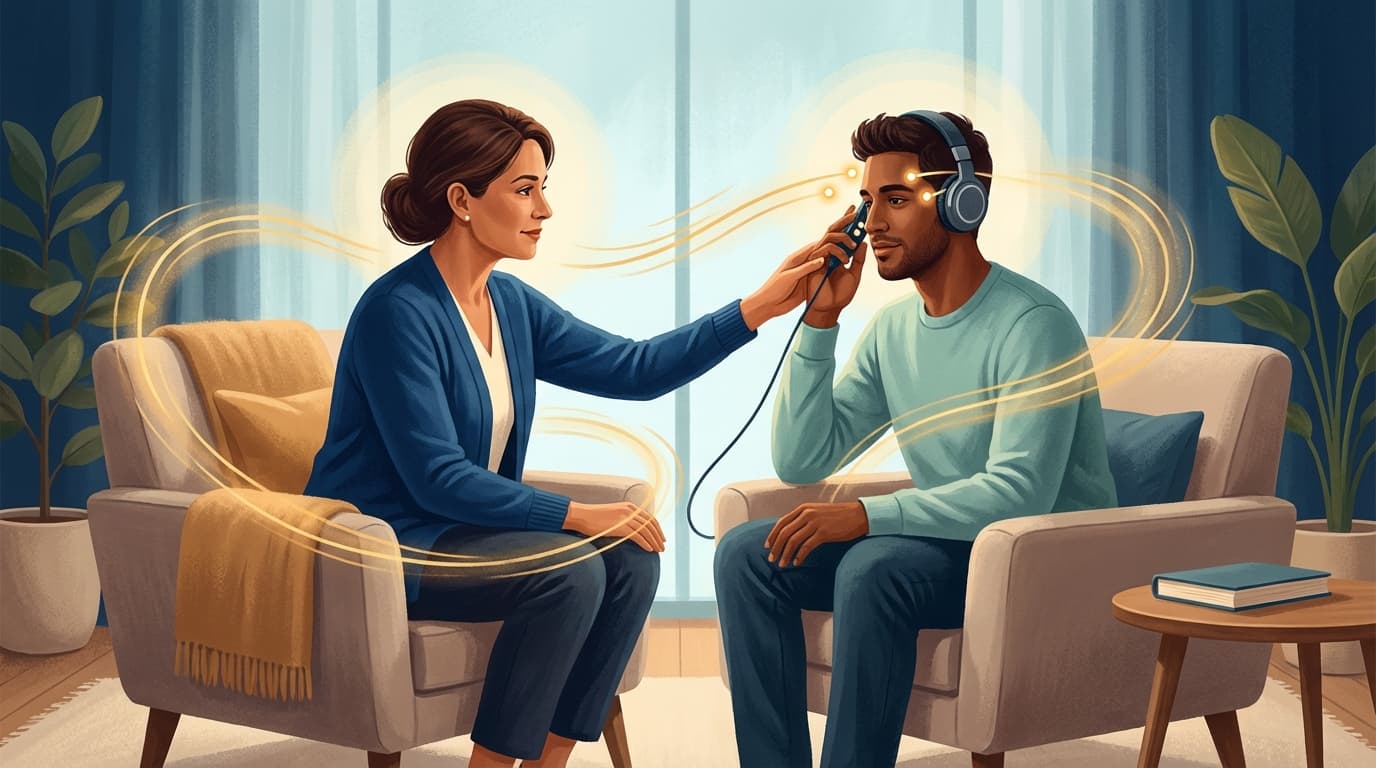
Thérapie validée scientifiquement utilisant la stimulation bilatérale alternée (mouvements oculaires, tapotements) pour retraiter les souvenirs traumatiques et réduire leur charge émotionnelle.

Modèle psychothérapeutique qui considère l'esprit comme un système de sous-personnalités (« parts ») organisées autour d'un Soi central compassionnel, offrant une voie non pathologisante de guérison du trauma.

Approche psychocorporelle du trauma développée par Peter Levine, qui libère l'énergie traumatique piégée dans le corps par un travail de titration sensorielle progressive et de pendulation.

Protocole TCC structuré et validé pour le TSPT qui utilise l'exposition répétée au souvenir traumatique (imaginaire) et aux situations évitées (in vivo) pour réduire la peur et le comportement d'évitement.

Protocole de groupe où chaque participant tape simultanément sur son propre problème pendant qu'un volontaire travaille avec le thérapeute, générant des bénéfices thérapeutiques partagés par effet de résonance.

L'autohypnose est la pratique autonome de l'hypnose, permettant de s'induire soi-même un état de conscience modifiée. Outil d'autonomisation puissant, elle prolonge et renforce les effets des séances d'hypnothérapie.

Protocoles EFT spécifiquement adaptés par tranche d'âge — du jeu de tapping avec les 4-7 ans à l'autonomisation des adolescents — pour réduire l'anxiété scolaire, les phobies, les traumatismes et améliorer l'estime de soi.