Floor Poses — Forward Bends
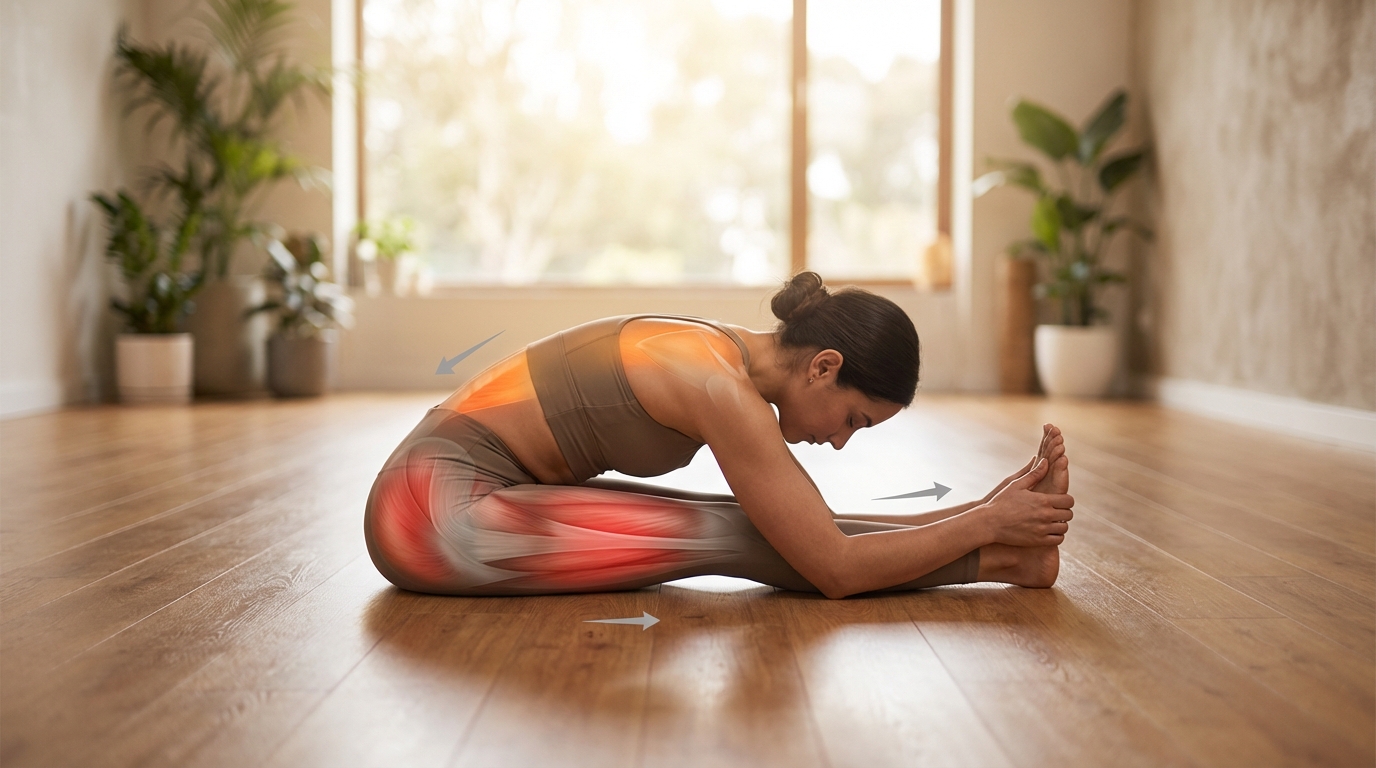
Janu Sirsasana — Head-to-Knee Pose
Janu Sirsasana (head-to-knee) asymmetrically stretches the hamstrings and side body, offering an accessible forward bend with gentle rotation.
Read more
166 articles
Janu Sirsasana (head-to-knee) asymmetrically stretches the hamstrings and side body, offering an accessible forward bend with gentle rotation.
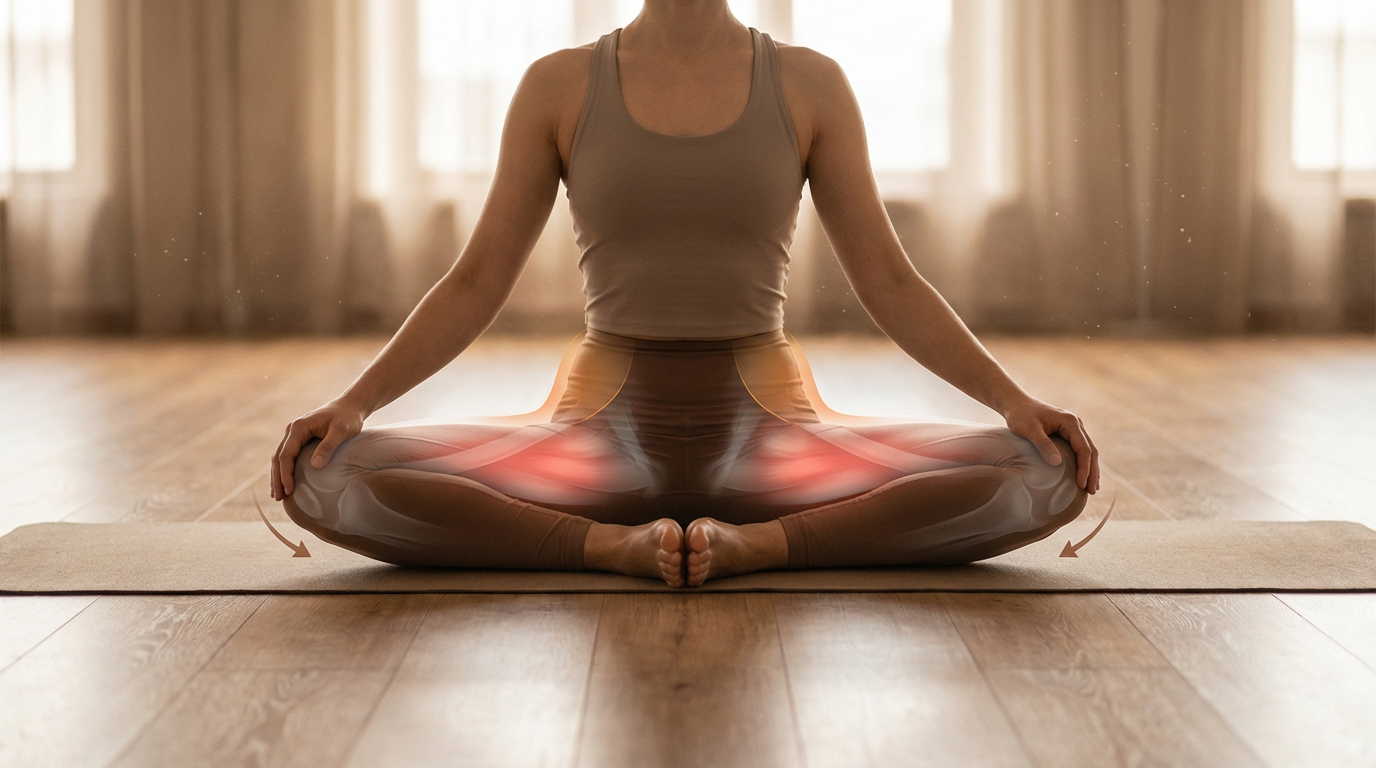
Baddha Konasana (butterfly) deeply opens the hips and groin by bringing soles of feet together, an essential pose for pelvic flexibility.
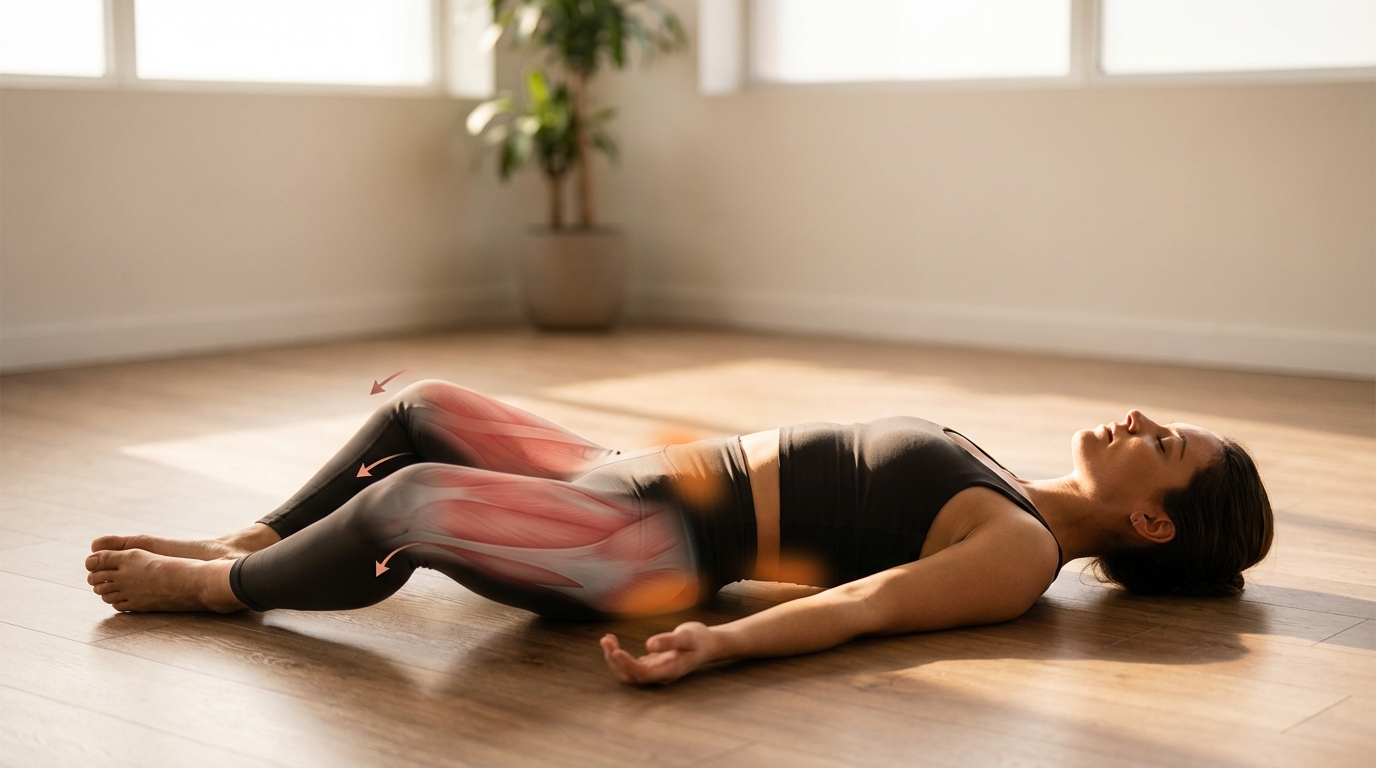
Supta Baddha Konasana (reclined butterfly) opens hips and groin in a resting position, offering deep pelvic and abdominal relaxation.
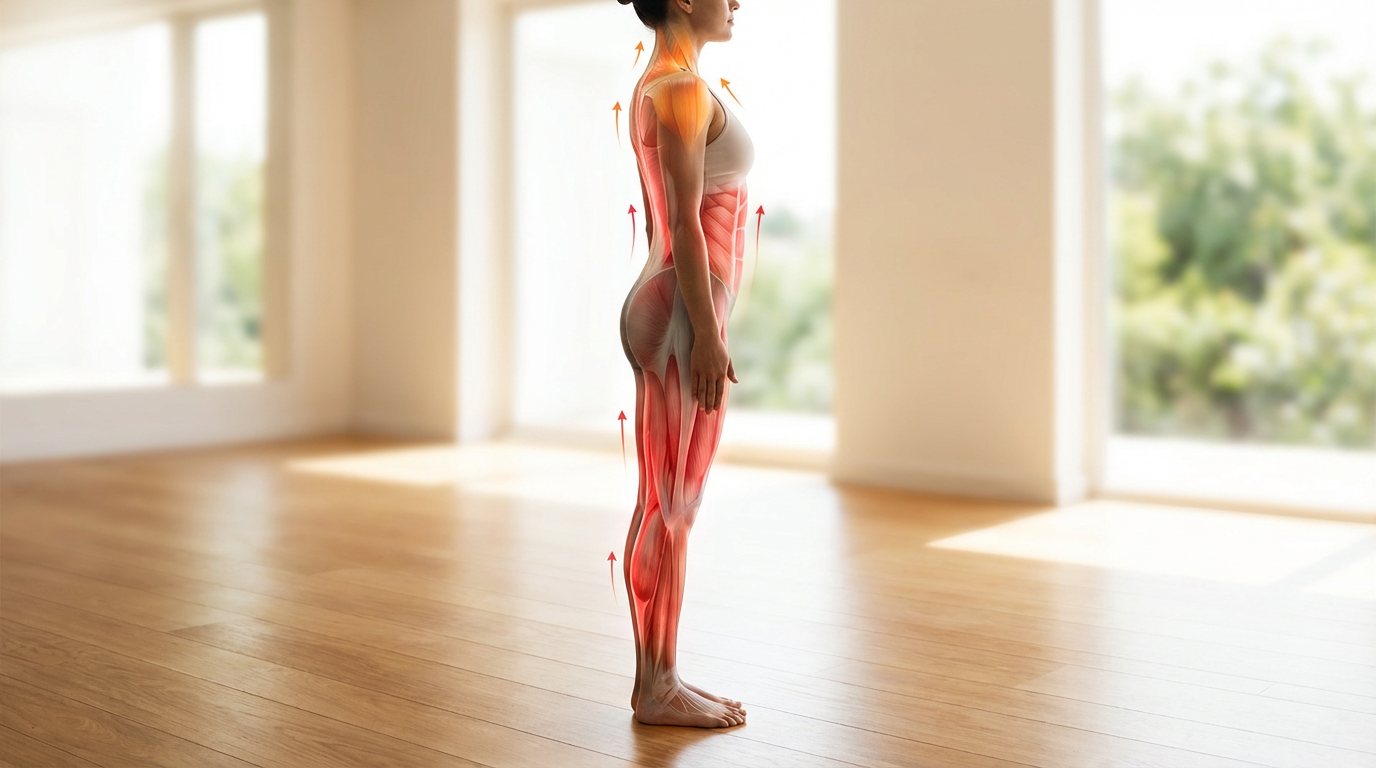
Tadasana (mountain pose) is the foundational yoga pose, the basis of all standing poses, developing alignment, grounding and body awareness.
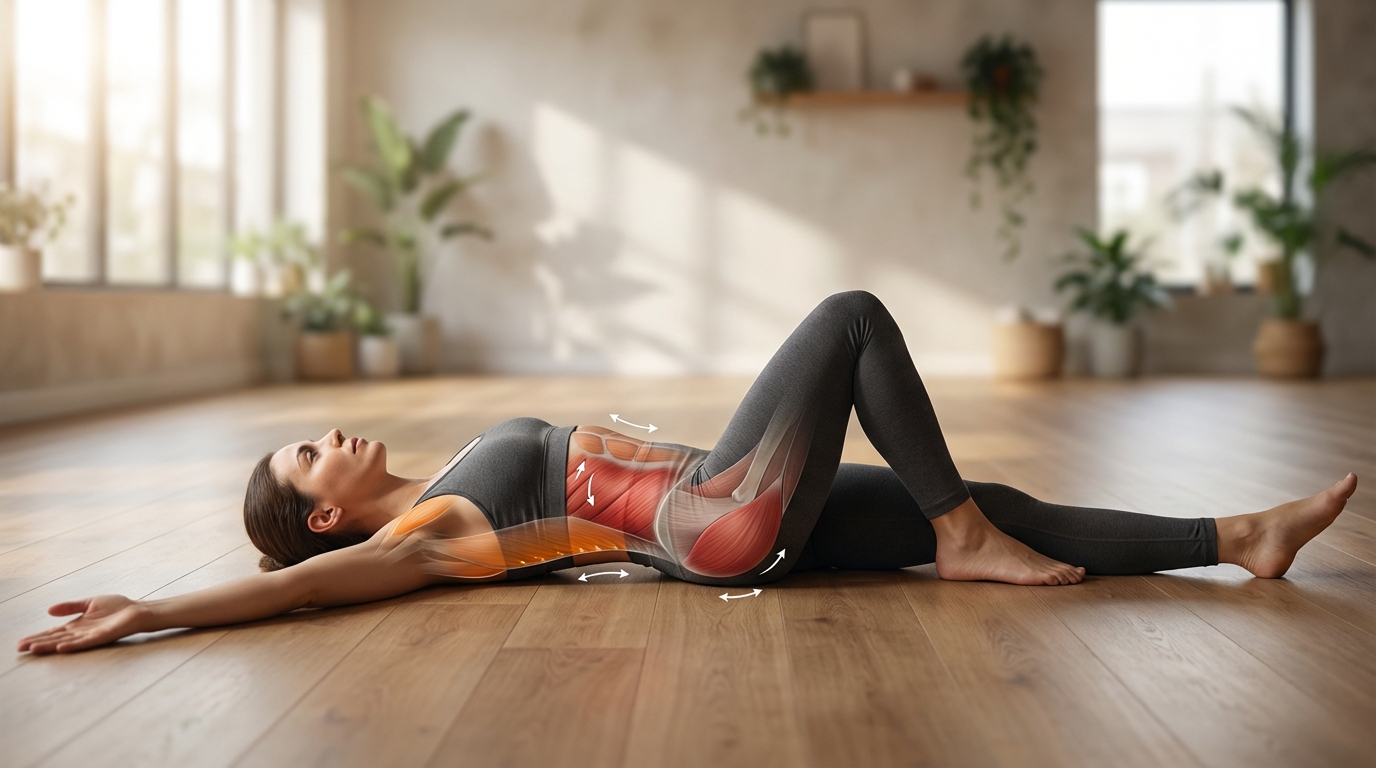
Supta Matsyendrasana (supine twist) releases the lower back and offers a gentle, restorative twist lying on the back.
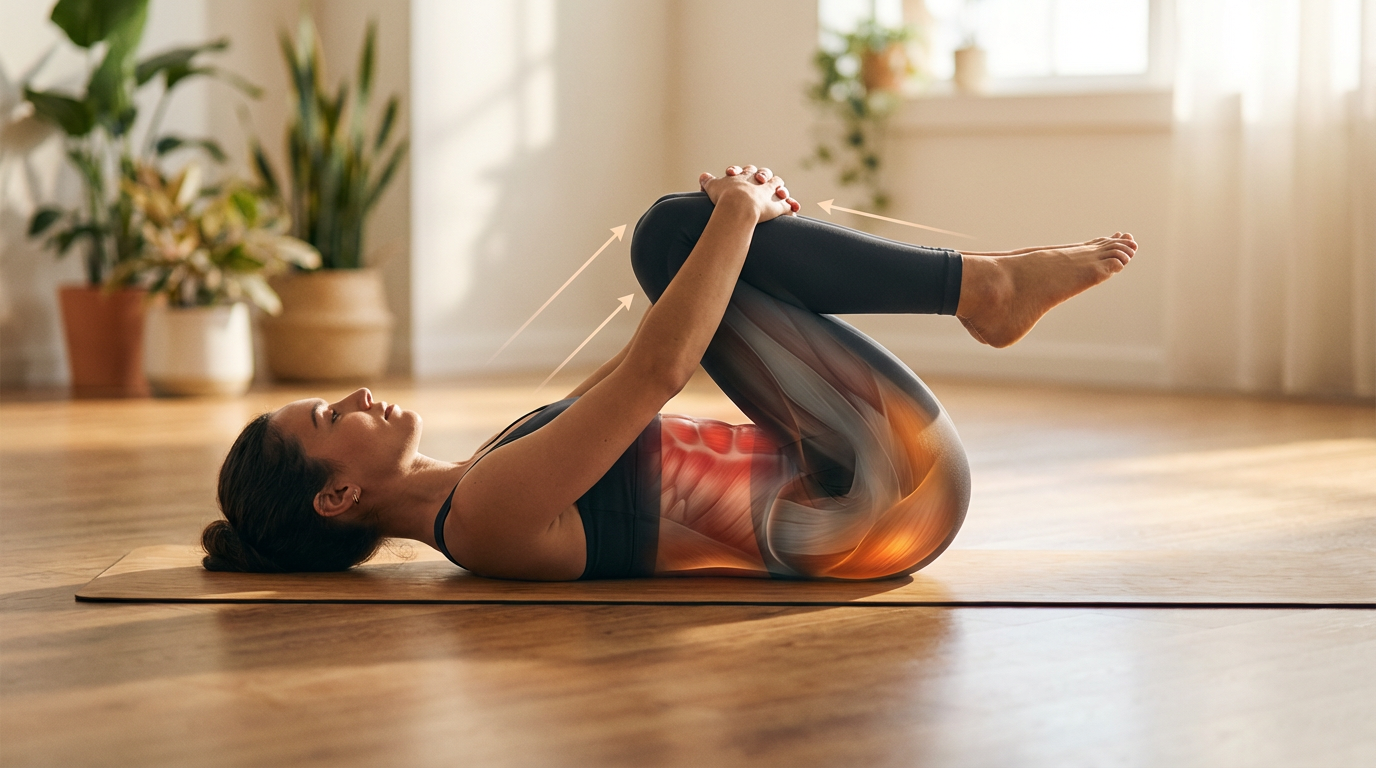
Apanasana (knees to chest) releases the lower back and massages abdominal organs in a soothing rocking motion.
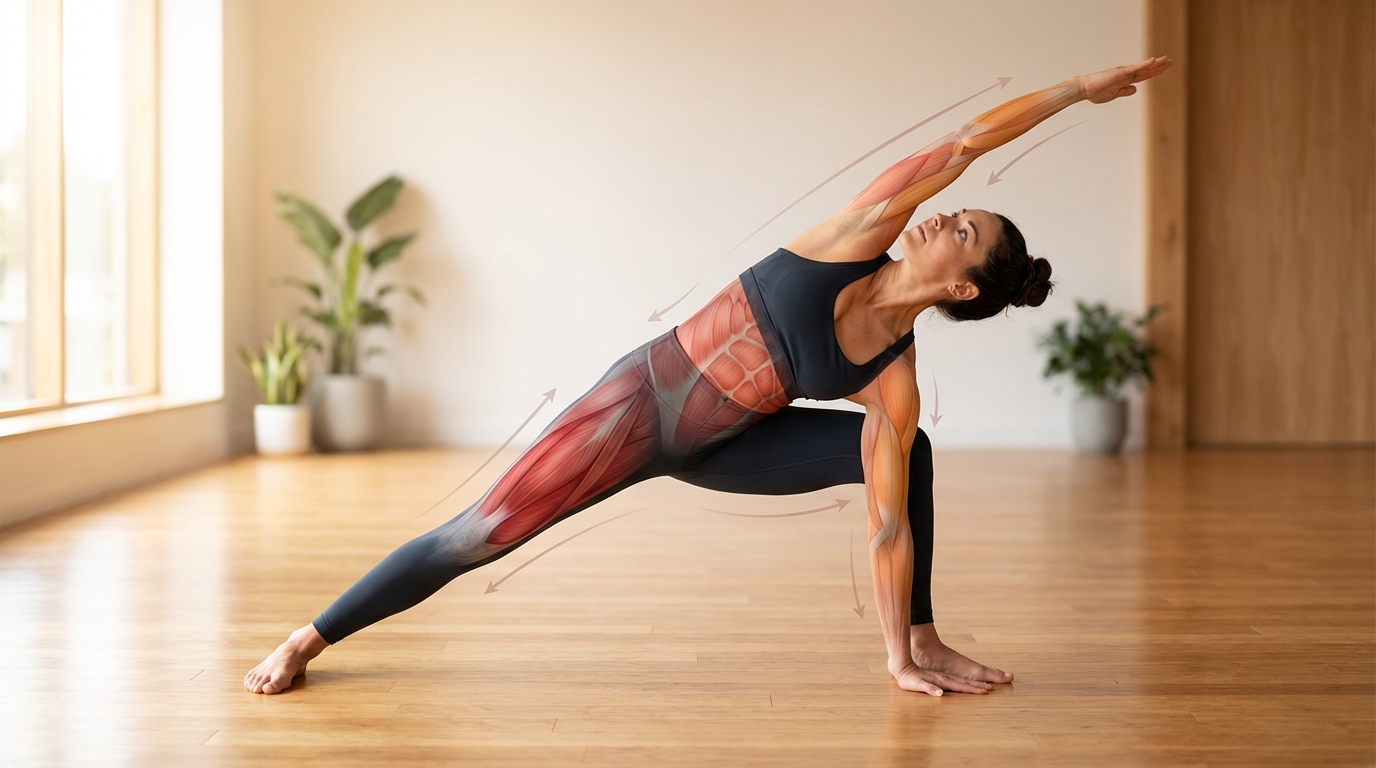
Parsvakonasana (extended side angle) creates an energy line from the back foot to fingertips, deeply stretching the entire side body.
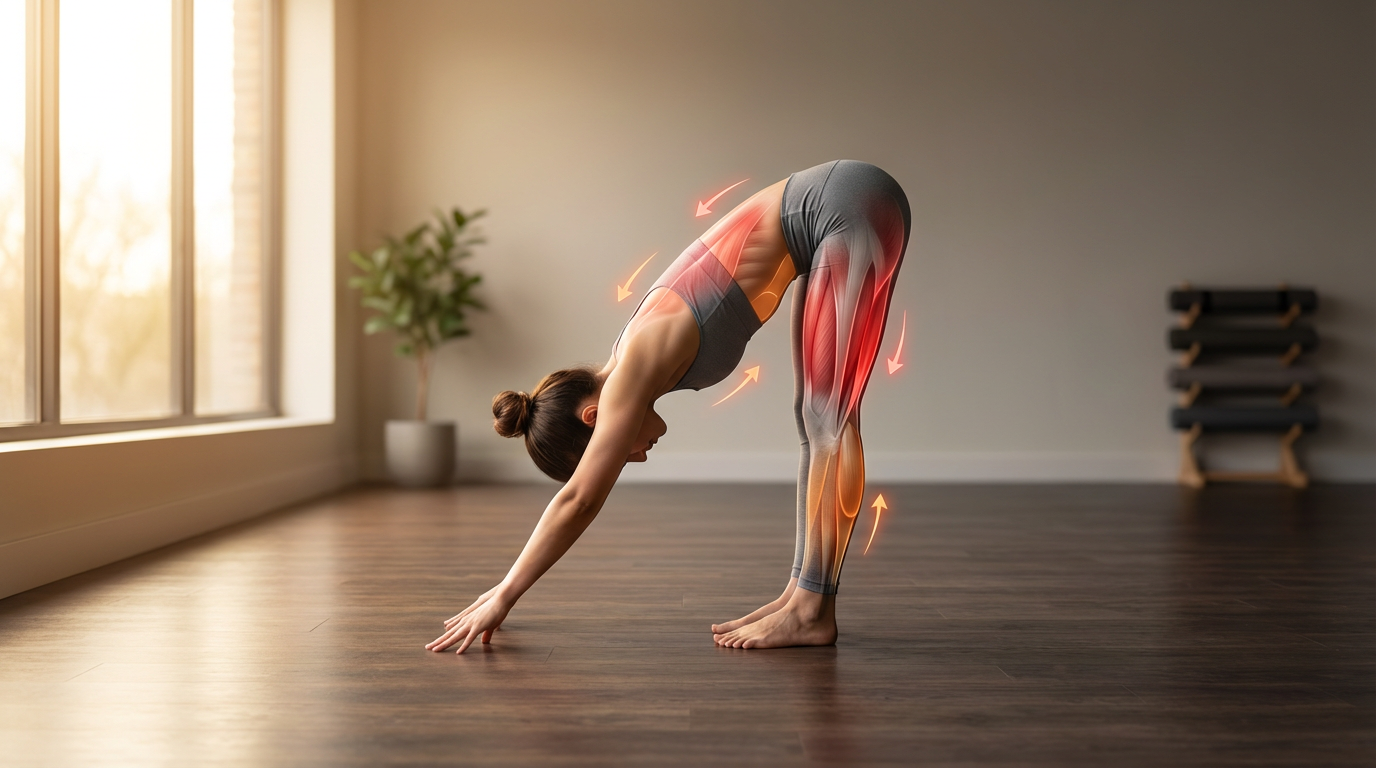
Ardha Uttanasana (half forward bend) lengthens the spine and strengthens the back while stretching the hamstrings, a key pose in sun salutations.
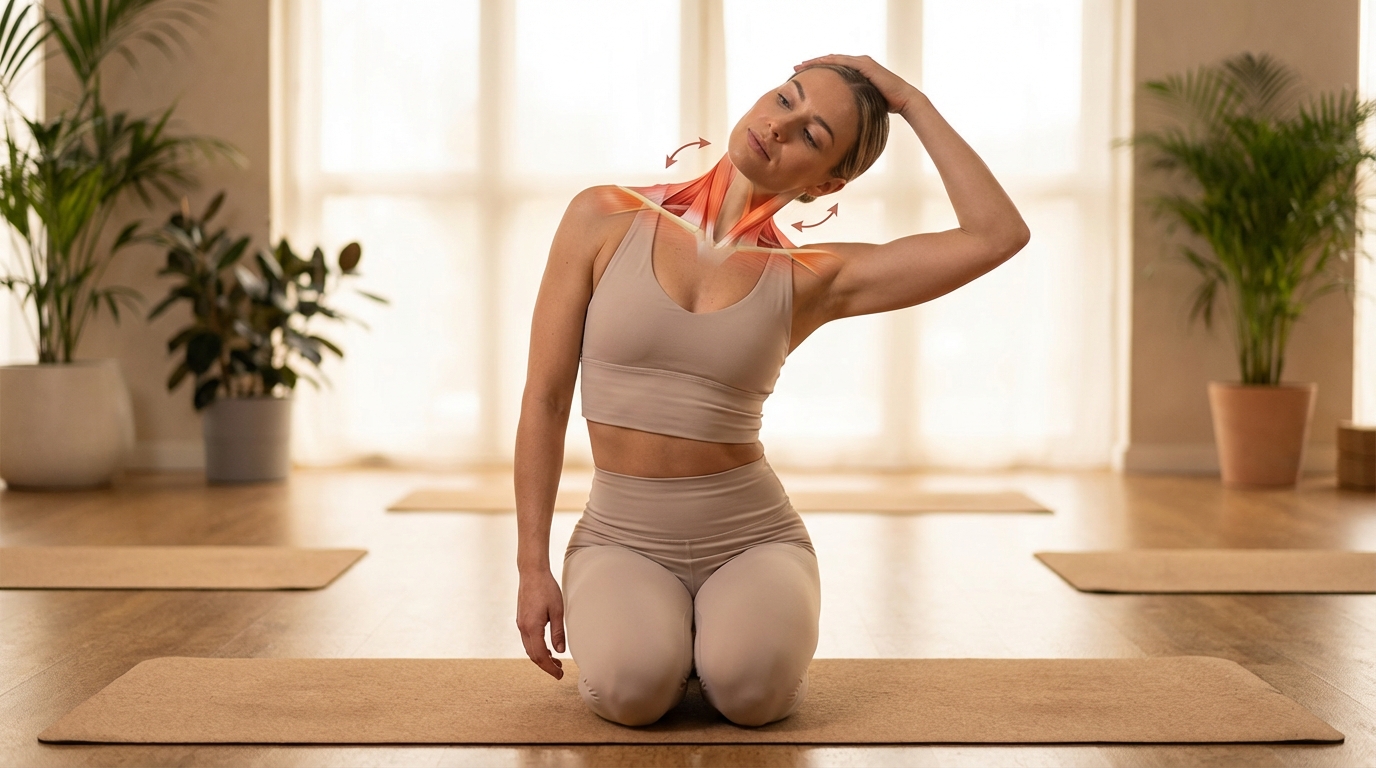
The sternocleidomastoid stretch through cervical rotation releases lateral neck tension and improves head rotation range of motion.
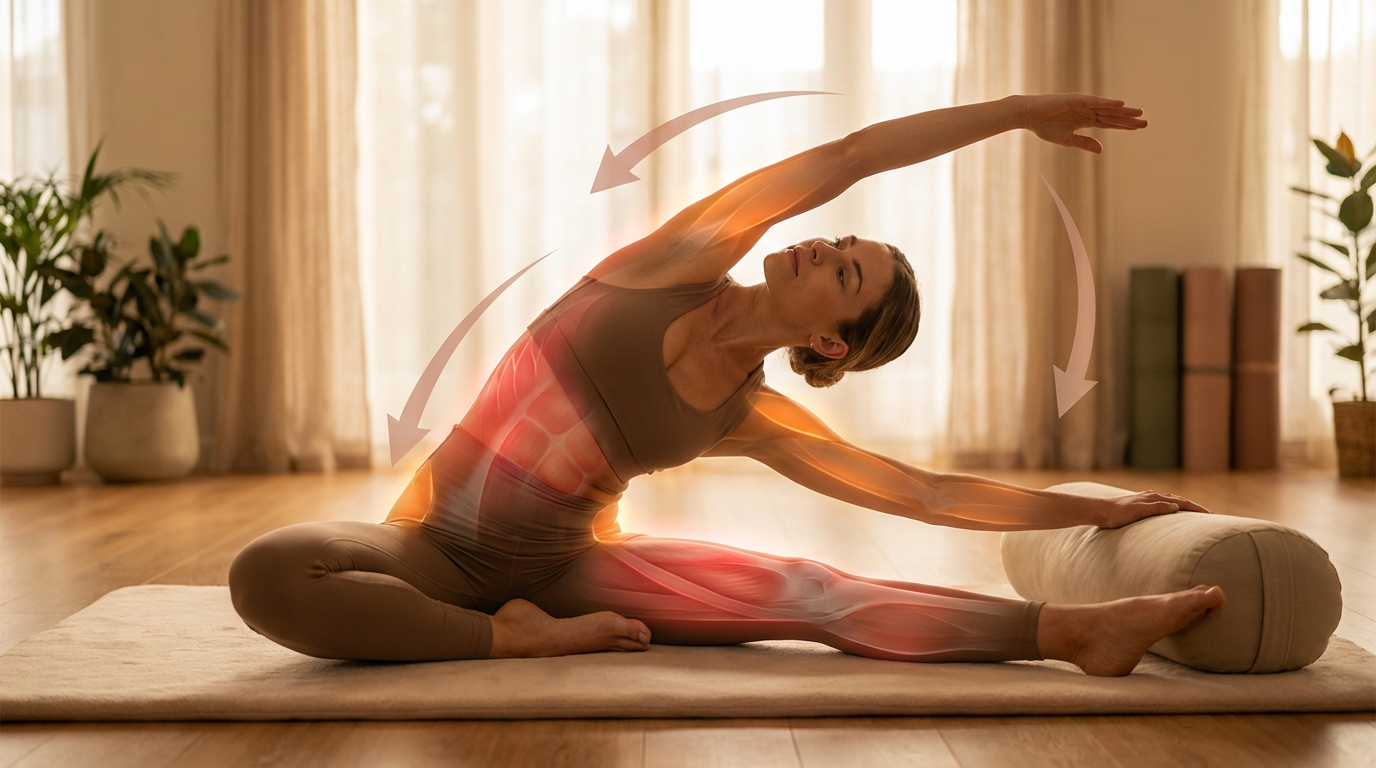
The lateral stretch opens the ribs, lengthens the obliques and latissimus dorsi, and improves breathing capacity by releasing the intercostal muscles.
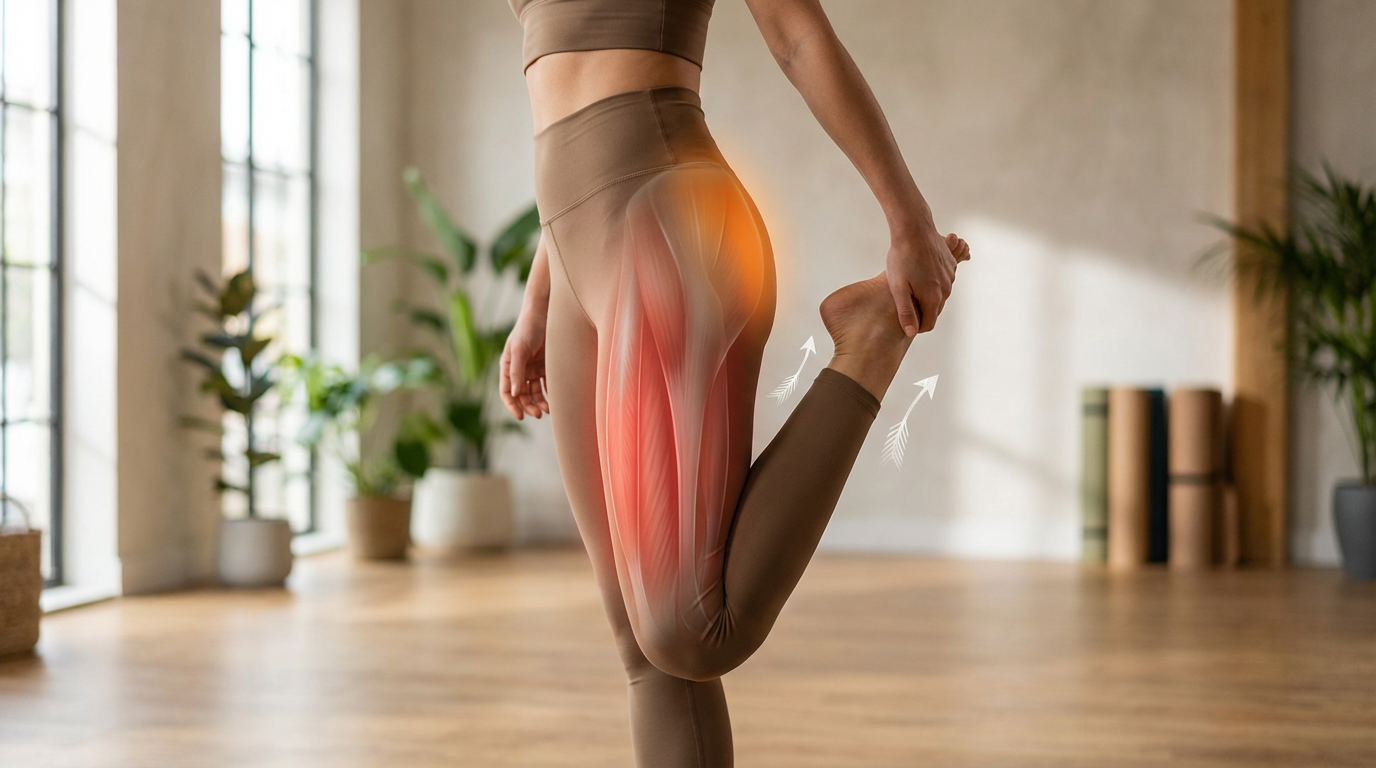
The standing quadriceps stretch lengthens the rectus femoris and vastus muscles, releasing the front of the thigh and improving knee mobility.
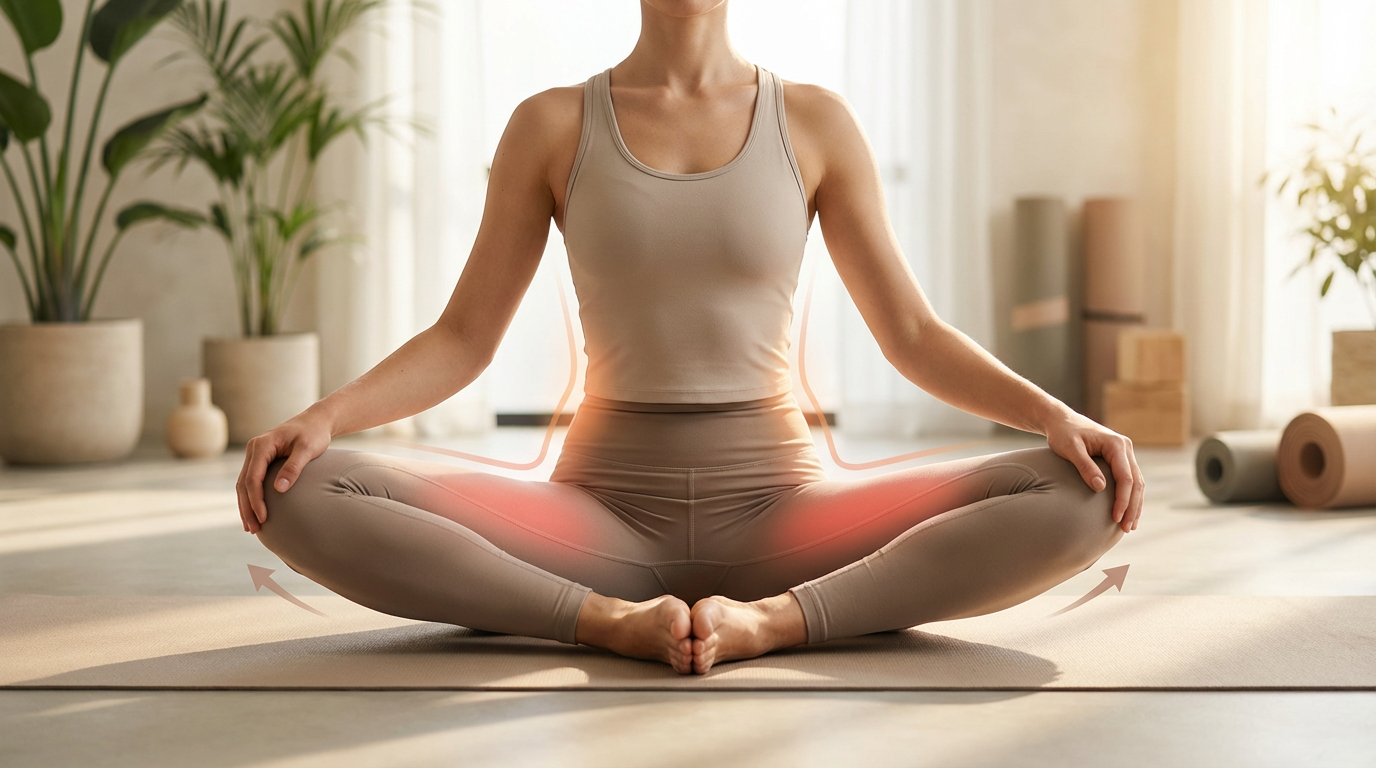
The butterfly pose stretches the adductors and opens the hips, improving groin and pelvic mobility.
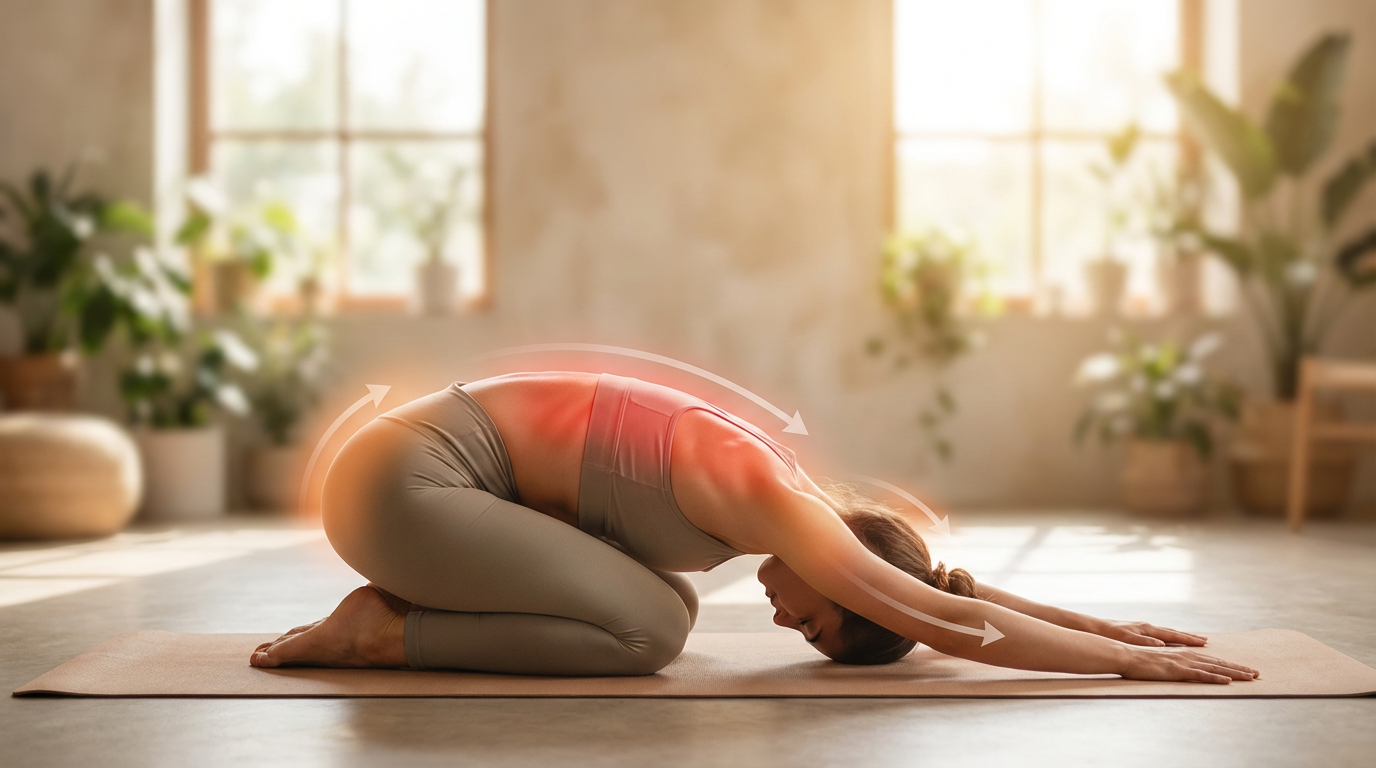
The extended child's pose stretches the latissimus dorsi and teres major in a resting position, providing spinal decompression and deep muscle release.
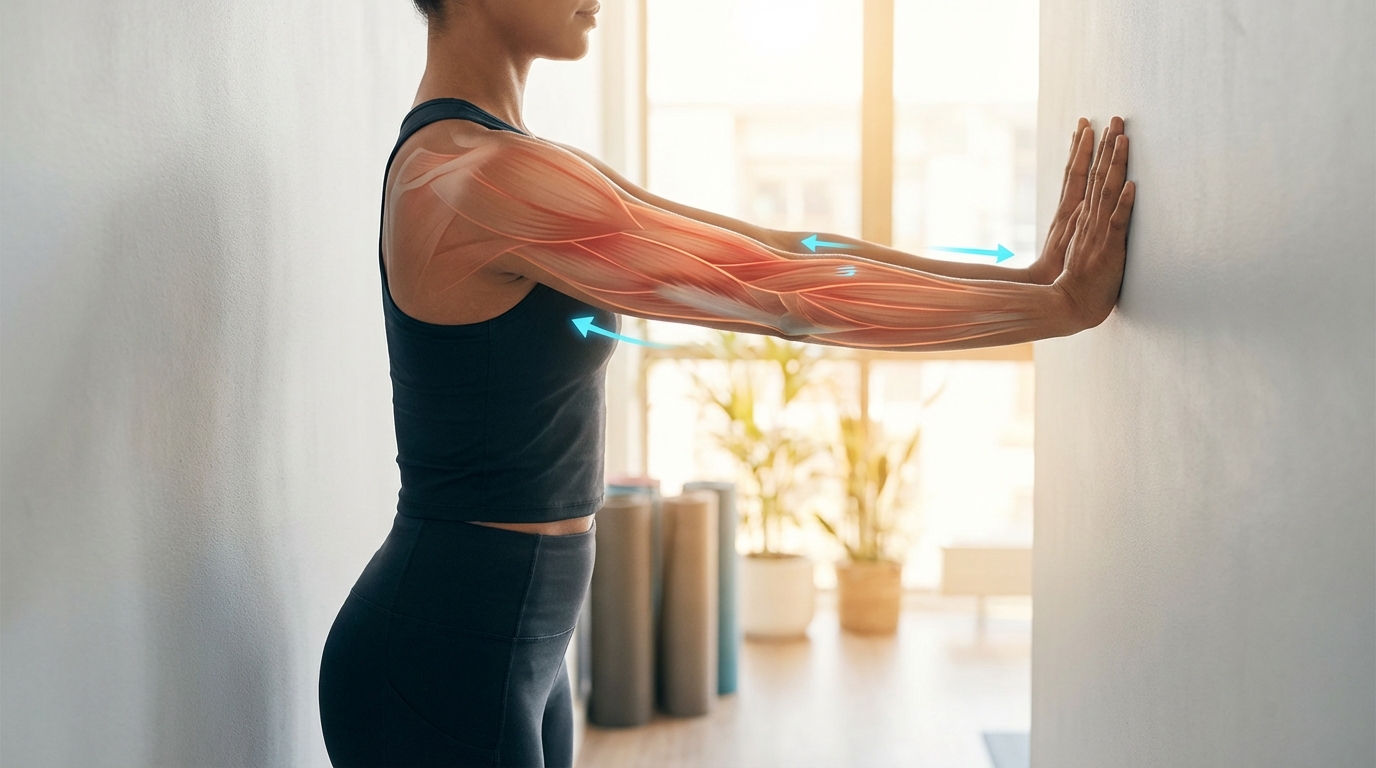
The wall biceps stretch lengthens the biceps brachii and forearm flexors, relieving tension from repetitive flexion movements.
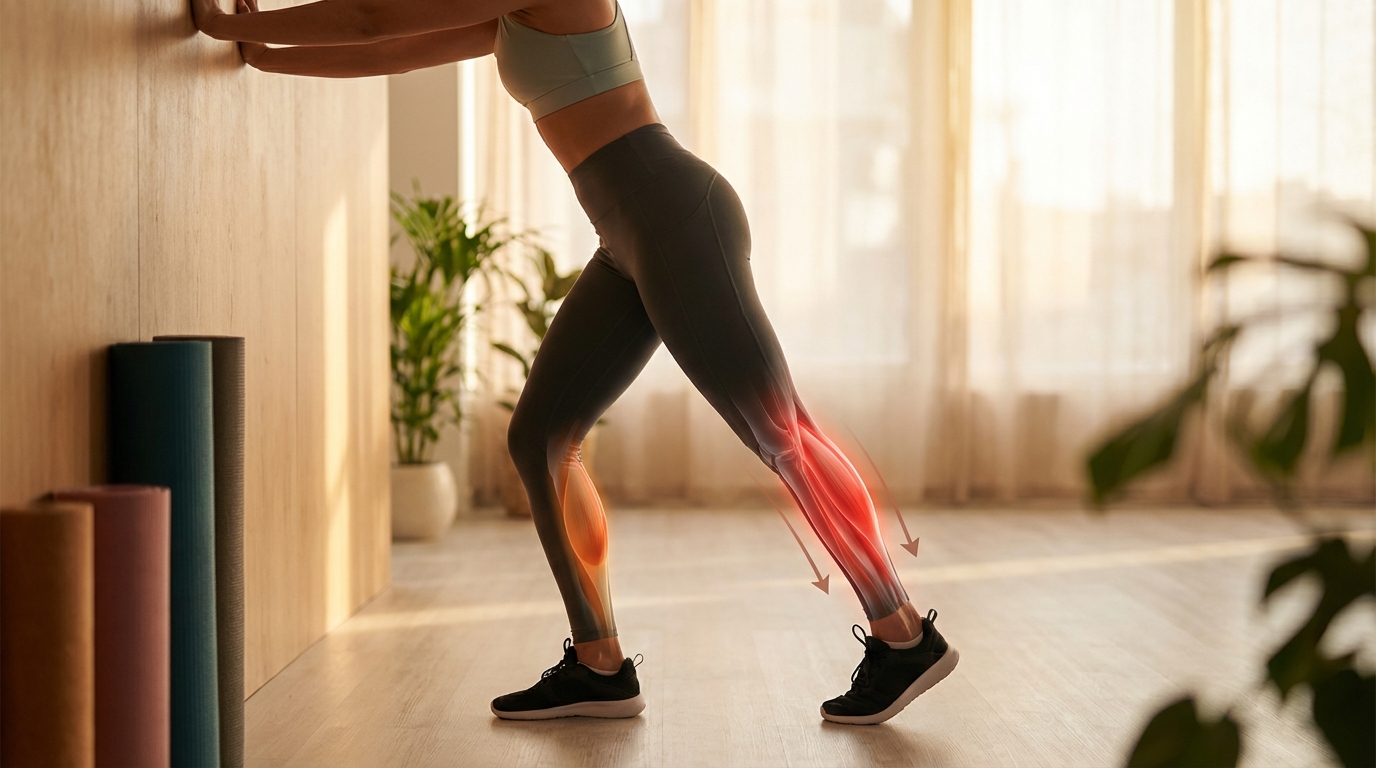
Wall calf stretch targeting the gastrocnemius to lengthen the calf and prevent Achilles tendon injuries.
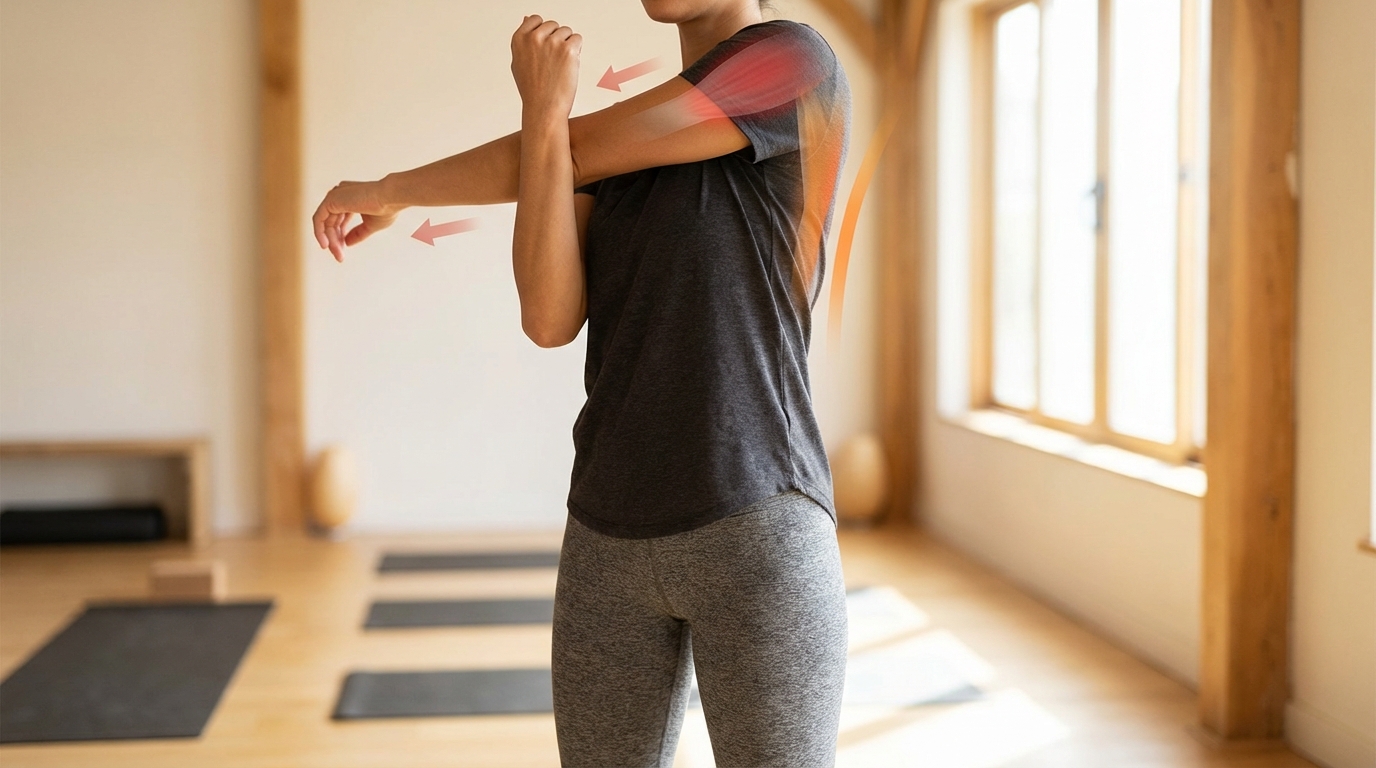
The cross-body stretch targets the posterior deltoid and infraspinatus, releasing tension at the back of the shoulder common in desk workers.
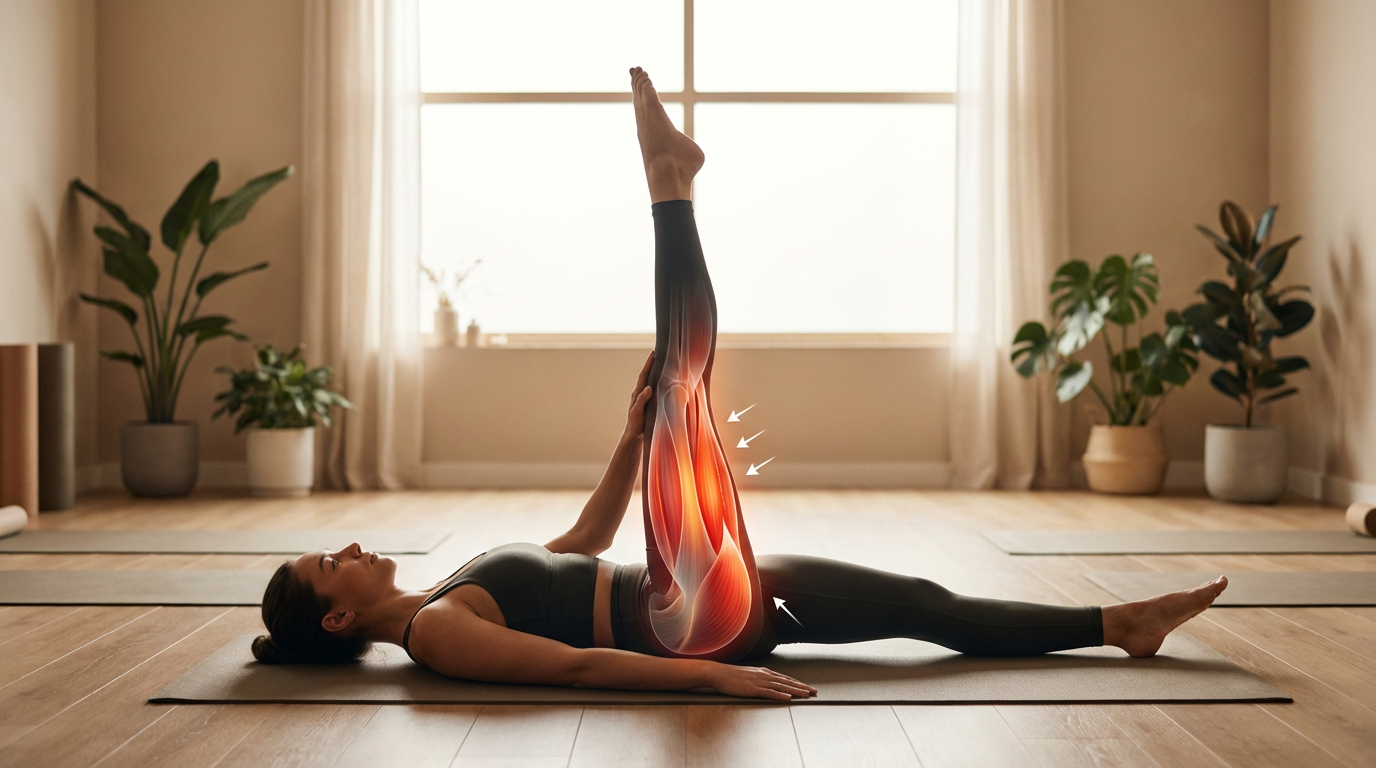
Seated floor hamstring stretch to lengthen the posterior chain with optimal back control.
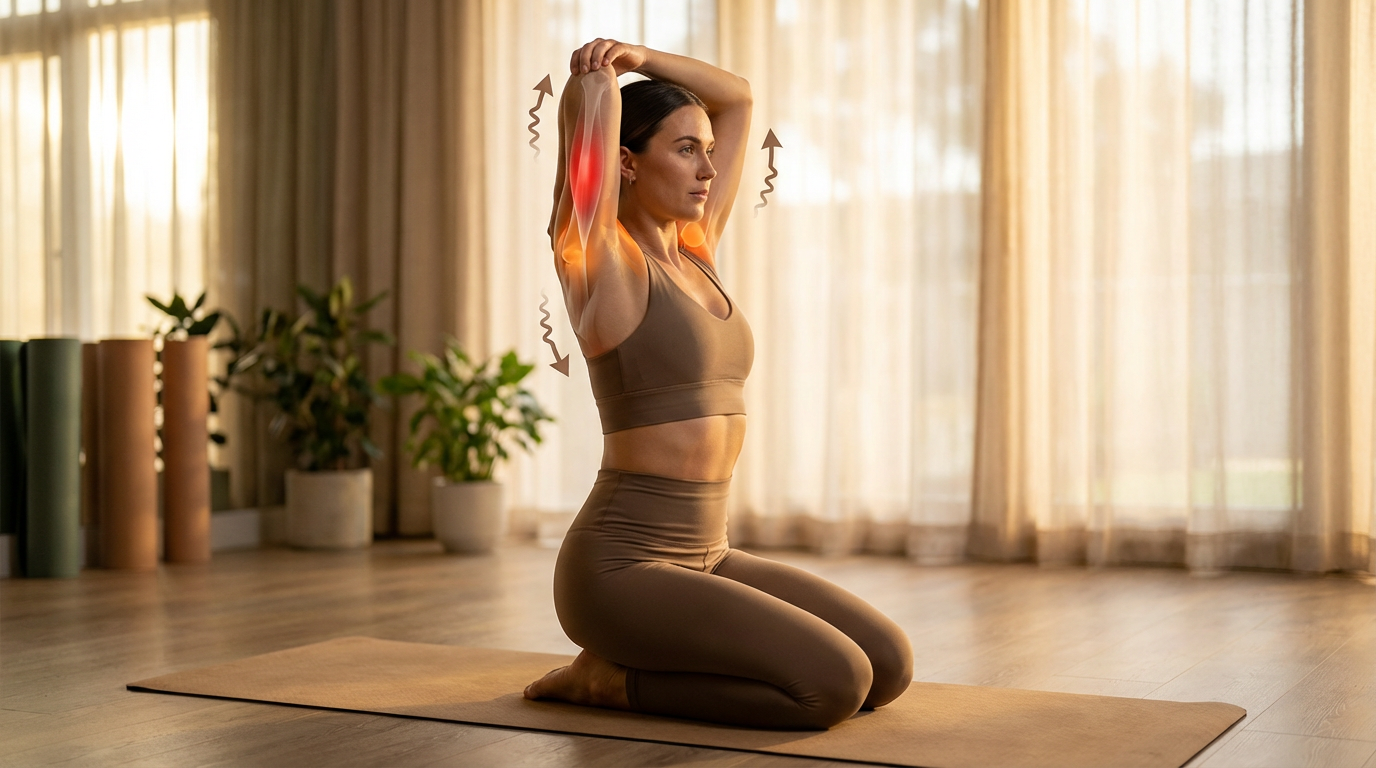
The overhead triceps stretch lengthens the long head of the triceps and latissimus dorsi, releasing tension accumulated in the back of the arm and side.