Hatha Yoga
Hatha Yoga is the most widespread traditional form of yoga in the West. It combines postures (asanas), breathing exercises (pranayama), and meditation to harmonize body and mind.
20 articles
Hatha Yoga is the most widespread traditional form of yoga in the West. It combines postures (asanas), breathing exercises (pranayama), and meditation to harmonize body and mind.
Kriya Yoga is an advanced meditative technique transmitted by Lahiri Mahasaya and popularized by Paramahansa Yogananda in 'Autobiography of a Yogi'. Combining pranayama, mudras and meditation, it aims to accelerate spiritual evolution through mastery of vital energy (prana).
Kundalini Yoga, taught in the West by Yogi Bhajan, is the "yoga of awareness." It combines postures, powerful breathwork, mantras, and meditations to awaken the dormant Kundalini energy at the base of the spine.
Sivananda Yoga is a traditional holistic approach based on five principles: exercise, breathing, relaxation, diet, and positive thinking/meditation. Developed by Swami Vishnudevananda, it offers a complete, accessible practice based on 12 basic postures.
Vipassana ("insight") is one of the oldest Buddhist meditation techniques. It involves observing bodily sensations with equanimity to understand the impermanent nature of all experience.
Zazen is the seated meditation of Zen Buddhism. In lotus posture, facing the wall, the practitioner sits "without goal or gain" — simply being present, letting thoughts pass like clouds in the sky.
Body Scan is a guided meditation of progressively directing attention to each body part. A fundamental MBSR technique, it develops body awareness and induces deep relaxation.
MBCT combines mindfulness meditation and cognitive therapy to prevent depressive relapses. An 8-week scientifically validated program recommended by health authorities for recurrent depression.
Jon Kabat-Zinn's MBSR program is a structured 8-week protocol combining mindfulness meditation, gentle yoga, and body scan. Scientifically validated, it is the world's most studied meditation program.
Tibetan singing bowl meditation uses the sound vibrations of singing bowls to induce deep relaxation and meditative states. Harmonic frequencies act on the nervous system and promote body-mind harmonization.
Metta meditation (Metta Bhavana) systematically cultivates loving-kindness toward oneself and then others. An ancestral Buddhist practice, it develops compassion, empathy, and positive connections.
The Second Degree Dynamic Relaxation, inspired by Tibetan Buddhism, explores the contemplative dimension of consciousness. It develops the ability to mentally represent the body and work on self-image.
The Fourth Degree Dynamic Relaxation closes the fundamental cycle of Caycedian sophrology. It aims at the totalization of being through the exploration of universal values and the awareness of existence in its fullness.
The Third Degree Dynamic Relaxation, inspired by Japanese Zen, develops reflective meditation. It allows exploration of body-mind unity and integration of deep existential values.
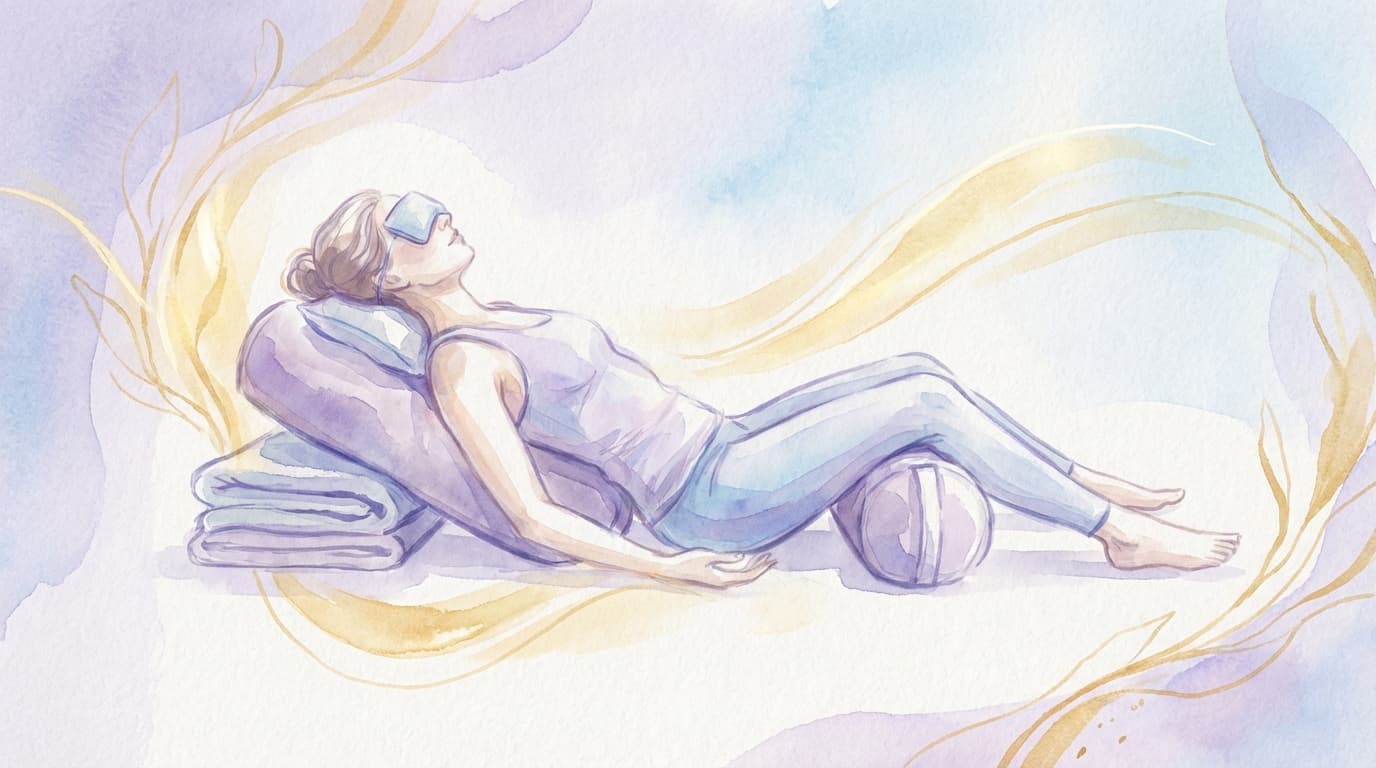
Yin Yoga is a slow, deep yoga where postures are held for 3-5 minutes. It targets connective tissues (fascia, ligaments, tendons) and promotes deep flexibility, meditation, and letting go.
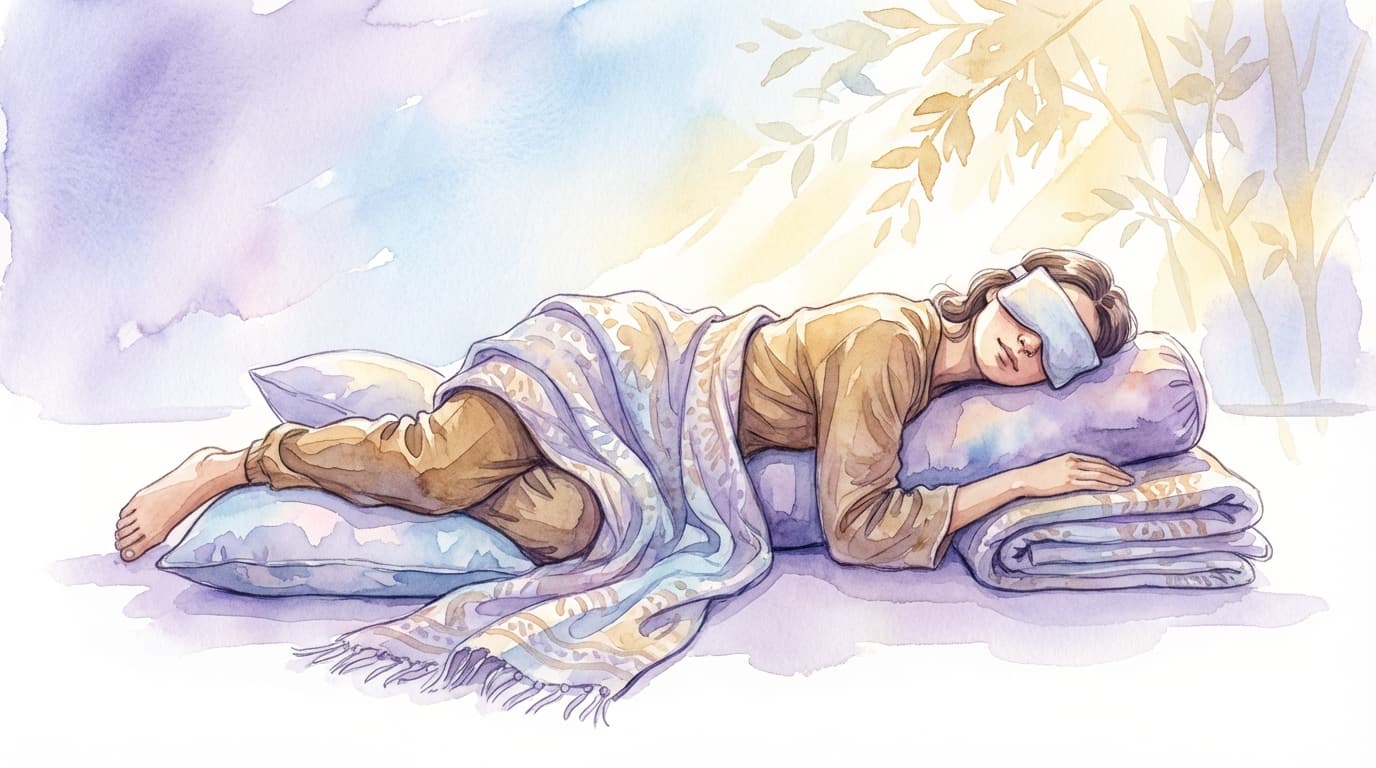
Yoga Nidra, or "yogic sleep," is a guided deep relaxation technique practiced lying down. It induces a state between waking and sleep allowing physical and mental regeneration equivalent to several hours of rest.
Gong bath is a therapeutic sound immersion using large planetary gongs whose powerful vibrations and complex harmonics induce deep relaxation, promote emotional release, and stimulate cellular regeneration processes.
Tonglen is a Tibetan Buddhist compassion meditation where one visualizes breathing in others' suffering and breathing out well-being and healing. Taught by Pema Chödrön and other Tibetan masters, it transforms self-centeredness into active empathy.