Discover vestibular rehabilitation: Epley maneuver, BPPV, vestibular habituation, gaze stabilization, balance training and Meniere's disease management. Evidence-based physiotherapy approach.
Complete encyclopedia of manual therapies: osteopathy, chiropractic, physiotherapy and massage therapy. Techniques, principles, indications and contraindications for each approach.
Discover vestibular rehabilitation: Epley maneuver, BPPV, vestibular habituation, gaze stabilization, balance training and Meniere's disease management. Evidence-based physiotherapy approach.
Gentle osteopathic technique using the patient's voluntary muscle contraction against controlled resistance to correct joint and muscle dysfunctions.
Sacred traditional massage of Hawaiian healers (Kahunas) using long fluid forearm and hand movements, often to musical rhythm, to dissolve physical and emotional tensions.
Therapeutic massage technique using volcanic basalt stones heated between 45°C and 55°C, placed on key energy points of the body or used as massage tools, combining deep therapeutic heat with the effects of classic massage techniques.
Classical form of Western massage developed by Per Henrik Ling, using effleurage, petrissage, friction, tapotement and vibration to relax muscles and improve circulation.
Ancient form of Japanese therapeutic massage founded on Traditional Chinese Medicine principles (meridians, acupressure points), historically practiced by blind practitioners in Japan, aimed at harmonizing Ki (vital energy) flow through rhythmic pressures, percussions and stretches.
Osteopathic articular manipulation technique using high velocity and low amplitude, producing a characteristic 'crack' sound to restore joint mobility.
Set of massage techniques adapted for athletes including preparation, warm-up, recovery and sports injury treatment massages to optimize performance and prevent injuries.
Lumbar spine rehabilitation: chronic low back pain management, active spinal stabilization, core strengthening, functional restoration programs and therapeutic education for low back pain patients.
Wellness massage developed in California in the 1970s, characterized by long enveloping effleurages and a mind-body approach promoting body reconnection and deep relaxation.
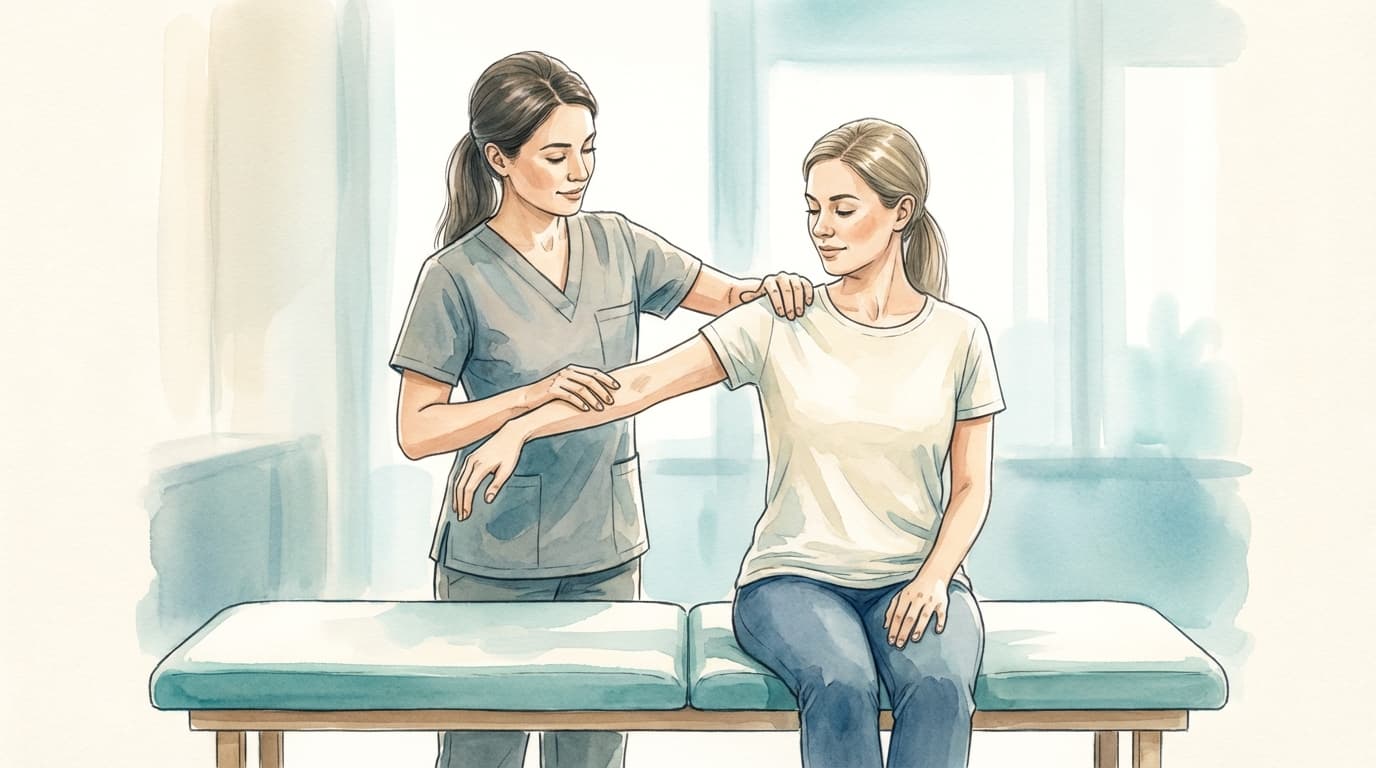
The foundations of functional rehabilitation in physiotherapy: initial assessment, standardized functional evaluations, individualized therapeutic planning and objective monitoring of patient progress at each stage of the care pathway.
Physiotherapy specialty dedicated to rehabilitation of balance disorders and dizziness of vestibular or central origin, combining otolith repositioning maneuvers (Epley, Semont), gaze stabilization exercises and vestibular desensitization protocols.
Indirect osteopathic technique consisting of maintaining firm, sustained pressure on a dysfunctional tissue (muscle, fascia, connective tissue) until reflex release of tensions is achieved, based on the neurophysiological phenomenon of inhibition of spinal protective reflexes.
Therapeutic approach developed by John E. Upledger integrating CranioSacral Therapy with processes of releasing physical and emotional traumas memorized in body tissues (energy cysts), allowing the body to complete and integrate emotional responses initially interrupted during shock or trauma.
Osteopathic approaches targeting the fascial system — the connective tissue network enveloping all organs and structures — through light pressure allowing the body to spontaneously 'unwind' toward resolution of tensions.
Fascial manipulation system developed by Ida Rolf aimed at realigning the body in the gravitational field by working on connective tissue restrictions over 10 progressive sessions.
Form of medical massage derived from Traditional Chinese Medicine using pressure, friction, kneading and joint manipulations on meridians and acupuncture points to treat musculoskeletal and visceral conditions.
Therapeutic and pedagogical approach developed by Danis Bois combining very gentle manual contact on fascia with listening to the body's internal movement (sensorial movement) to treat chronic pain and somatopsychic disorders.
Traditional Thai therapeutic practice 2500 years old, combining rhythmic compressions, passive joint mobilizations and yoga-inspired assisted stretches to rebalance energy lines (Sen).
Set of cranial osteopathic techniques working directly on the reciprocal tension membranes (falx cerebri, falx cerebelli, tentorium cerebelli, diaphragma sellae) via precise bony contacts on the skull and sacrum, to normalize intracranial membranous tensions and restore the Primary Respiratory Mechanism.
Somatic educational approach developed by Moshé Feldenkrais aimed at improving body awareness and movement efficiency by reprogramming motor habits through the nervous system.
Set of physiotherapy techniques aimed at improving ventilatory mechanics, facilitating bronchial clearance and rehabilitating respiratory capacity in patients with pulmonary pathologies.
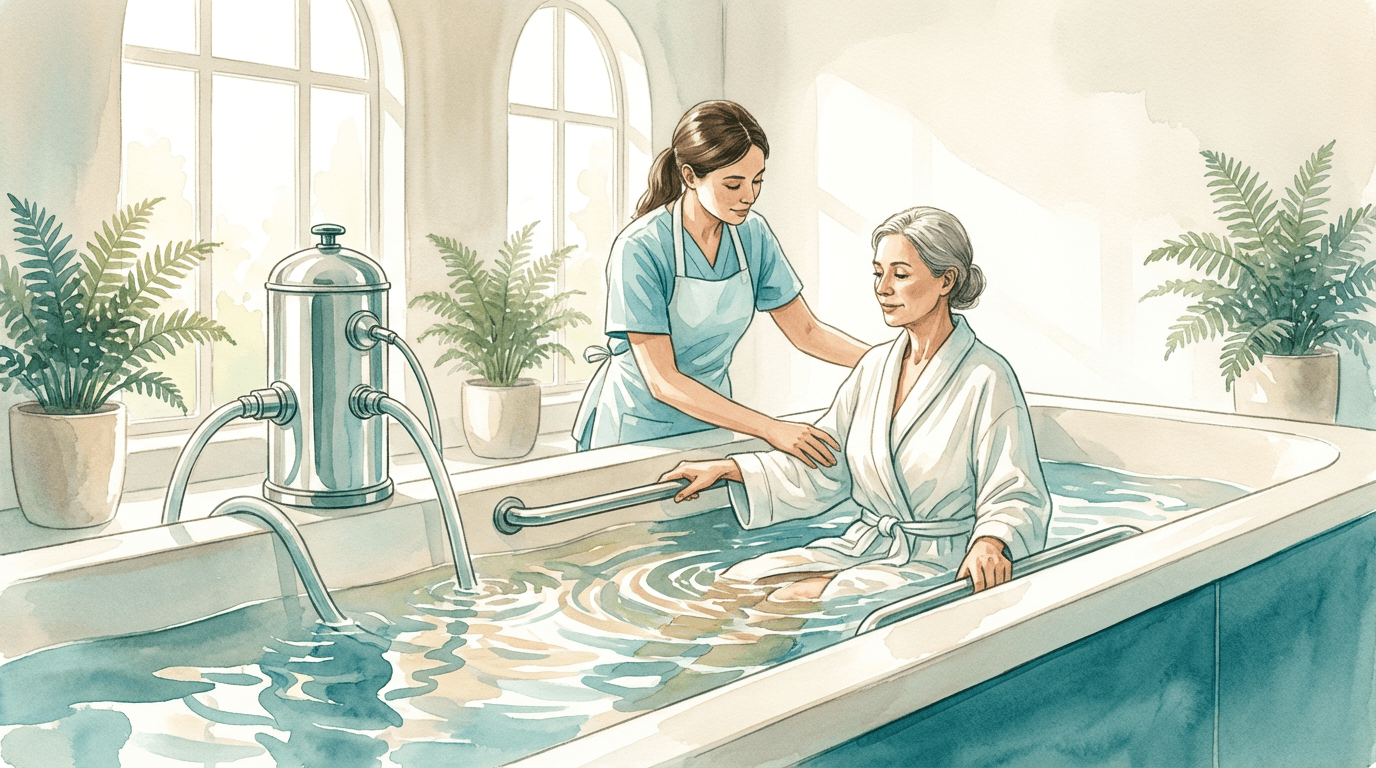
Set of therapeutic techniques using water in different forms (baths, jets, showers, rehabilitation pool) at various temperatures and pressures to treat musculoskeletal, rheumatic, neurological and dermatological conditions, exploiting the mechanical, thermal and chemical properties of water.
Indirect passive osteopathic technique placing the patient in a position of maximum comfort to deactivate tender points and normalize neuromuscular spindles.
Functional osteopathic technique rediscovered by Richard Van Buskirk combining direct and indirect approaches using compressive or distractive force to guide tissue toward dynamic neutral.
Set of therapeutic cold applications, ranging from classic local applications (ice, cold packs, cryomassage) to whole-body cryotherapy (WBC) in cold chambers at -110°C, used for their analgesic, anti-inflammatory, antispastic and sports recovery effects.
Techniques combining the release of myofascial restrictions and deactivation of trigger points — foci of muscle hyperirritability creating characteristic referred pain patterns.
Gentle Australian therapeutic approach developed by Tom Bowen, using precise rolling movements on muscles, tendons and fascia, followed by essential pauses to allow the nervous system to initiate self-healing.
Osteopathic system developed by William Garner Sutherland based on rhythmic mobility of cranial bones, dura mater and sacrum within the Primary Respiratory Mechanism (PRM).
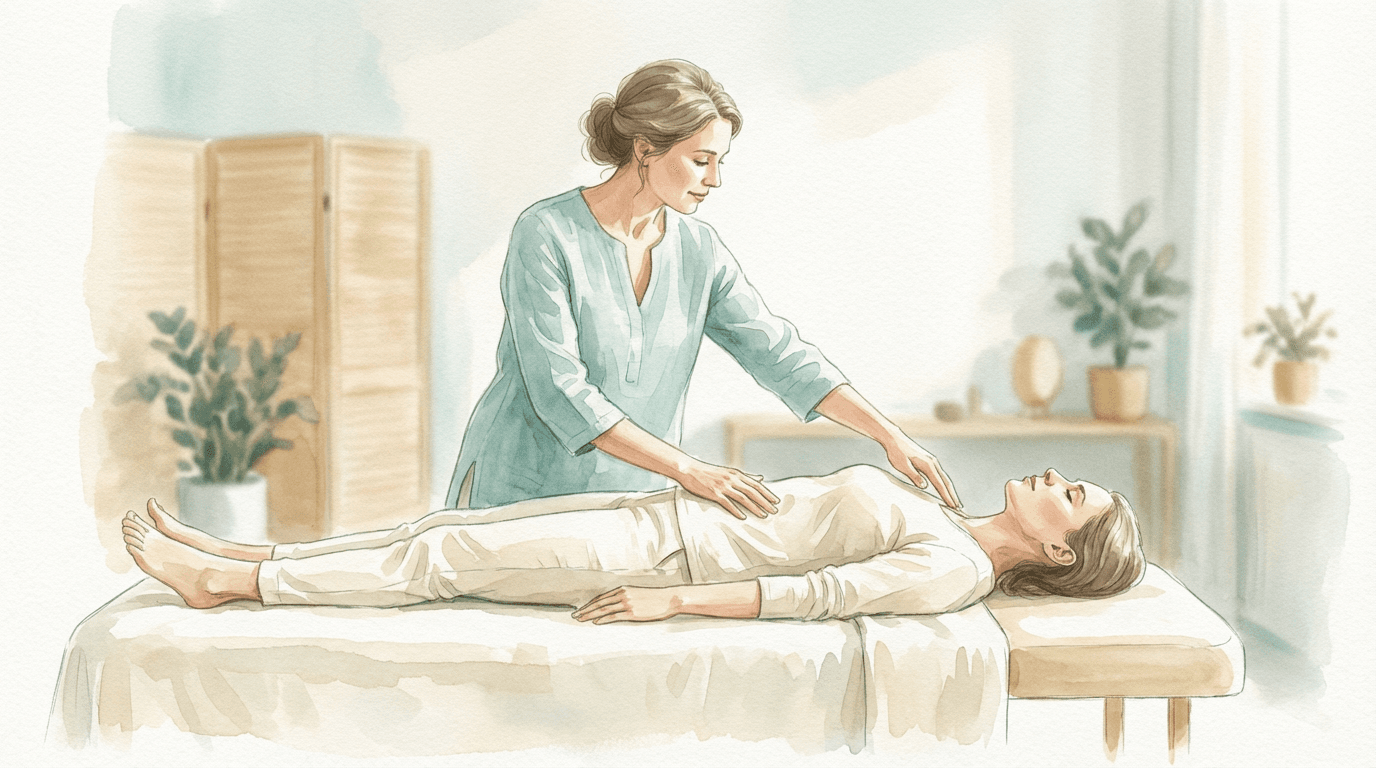
Gentle therapeutic approach derived from Sutherland's cranial osteopathy, popularized by John Upledger, focused on releasing restrictions of the craniosacral system.
Japanese finger pressure technique on meridians and acupressure points aimed at rebalancing the flow of vital energy (Ki) in the body according to Oriental medicine principles.
Somato-psychic method developed by Milton Trager combining gentle rocking and oscillating movements of the limbs and trunk, aiming to release chronic neuromuscular tension patterns and re-educate the central nervous system toward light, fluid movement patterns.
Discover GPR (Global Postural Reeducation), created by Philippe Souchard. Muscle chain theory, eight treatment postures, breathing integration, scoliosis and herniated disc. Evidence-based holistic physiotherapy approach.
Physiotherapy specialty focused on rehabilitation of perineal and pelvic floor muscles to treat urinary incontinence, prolapse and pelvic-perineal pain.
Discover pelvic floor rehabilitation in physiotherapy: biofeedback, electrostimulation, manual techniques, post-partum care, prolapse prevention, incontinence treatment and male pelvic floor rehabilitation.
Osteopathic system developed by Jean-Pierre Barral aimed at evaluating and normalizing the mobility and motility of internal organs to restore their physiological function.
Ancient therapeutic technique using cups creating suction on the skin to stimulate circulation, release deep muscle tension and promote toxin drainage according to Chinese, Arabic and Western medical traditions.
Gait and balance rehabilitation in physiotherapy: management of locomotion disorders in geriatrics, post-stroke, neurological and traumatological contexts. Gait analysis, postural reprogramming, fall prevention and functional retraining.
Knee rehabilitation protocols after anterior cruciate ligament (ACL) or posterior cruciate ligament (PCL) reconstruction: post-operative phases, progressive muscle strengthening, neuromuscular reprogramming and return-to-sport criteria.
Gentle massage technique developed by Emil Vodder to stimulate lymphatic circulation, drain edema and strengthen the immune system through very light rhythmic circular movements.
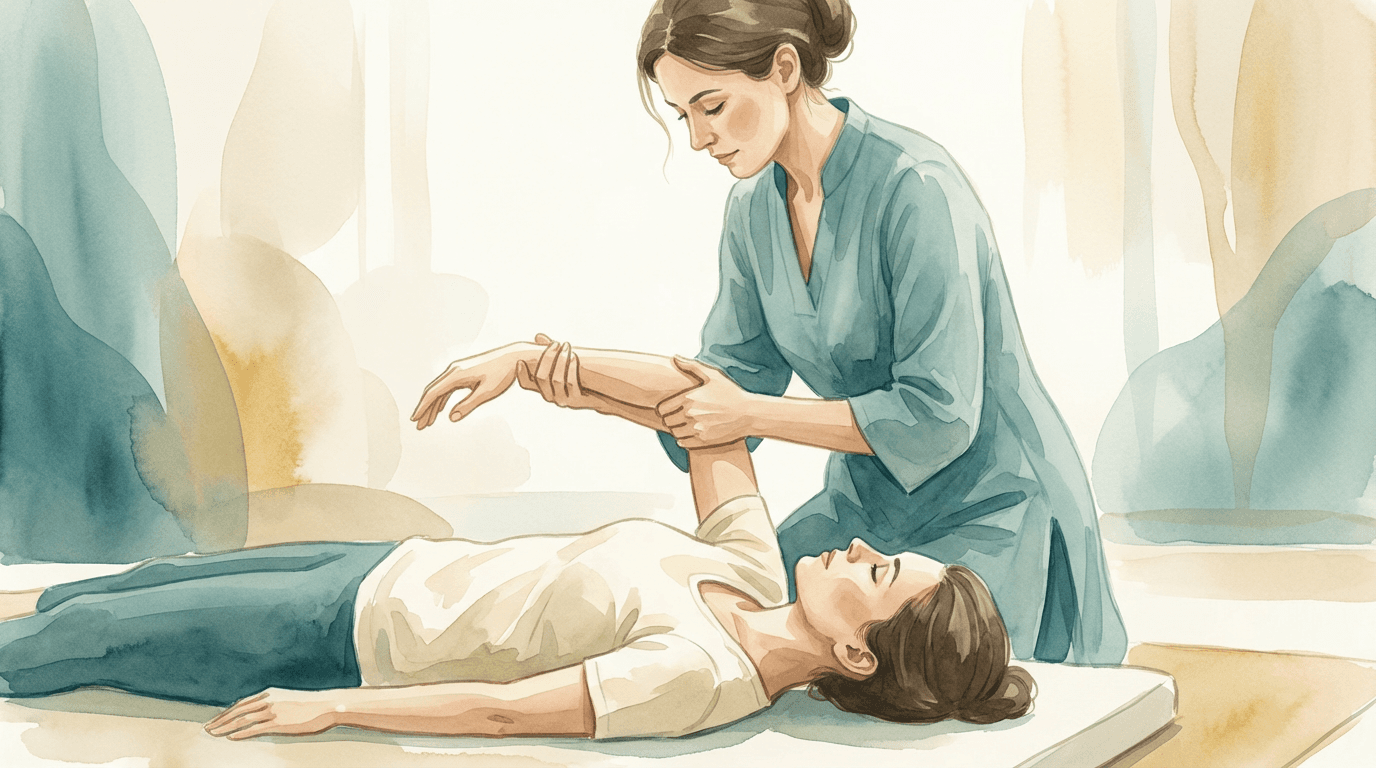
Gentle rhythmic mobilization of joints to progressively restore range of motion without thrust, using repetitive and controlled movements.
Deep pressure massage technique targeting deep muscle layers and fascia to release chronic tension, adhesions and persistent muscle contractures.
The most widely taught and practiced chiropractic technique worldwide, using precise manual HVLA adjustments on the spine and peripheral joints to correct vertebral subluxations.
Discover respiratory physiotherapy: AFE, autogenic drainage, ELTGOL, DRR, pediatric techniques, COPD rehabilitation. Evidence-based protocols for bronchial clearance and respiratory rehabilitation.
Chiropractic system founded on principles of biomechanics and mathematical physics, developed by Donald Harrison, integrating precise radiographic postural analysis, mirror of ideal health based on geometric norms of the spine, and vertebral remodeling protocols using traction, exercises and specific adjustments.
Foundational chiropractic technique developed by Bartlett Joshua Palmer, son of chiropractic's founder, using a precise, rapid manual impulse (toggle) followed by immediate recoil of the hands, applied specifically to the atlas (C1) to correct upper cervical vertebral subluxation.
Highly specific chiropractic system developed by Clarence Gonstead, combining radiographic analysis, postural visualization, instrumentation and palpation to identify and correct subluxations with maximum precision.
Complete shoulder rehabilitation: rotator cuff tendinopathies, glenohumeral instability, adhesive capsulitis, surgical repair. Strengthening protocols, humeral recentering and functional shoulder recovery.
Therapeutic approach founded by Léopold Busquet analyzing the human body as a set of interdependent muscle chains (static and dynamic) organized in spirals that run through the entire body, allowing understanding of postural compensations and chronic pain holistically.
Chiropractic approach developed by DeJarnette based on the relationship between the sacrum and occiput, using positioning blocks and dysfunction categories to treat the whole body.
Diagnostic and therapeutic system developed by James Cyriax using a systematic clinical examination of contractile and inert structures, and deep transverse friction massage to treat tendinopathies and bursitis.
System for assessing and treating spinal pain developed by Robin McKenzie, based on syndrome classification and pain centralization exercises.
Neurological rehabilitation approach developed by Karel and Berta Bobath, focused on normalizing tone and movement patterns in patients with central nervous system lesions.
Discover manual lymphatic drainage in physiotherapy: Vodder method, Leduc method, lymphedema management, post-surgical rehabilitation, oncology and compression bandaging. Evidence-based protocols.
Gentle chiropractic technique using a handheld mechanical instrument (the Activator) to deliver a rapid, precise, low-force impulse to spinal and peripheral joints.
Ultra-specific chiropractic approaches exclusively targeting the first cervical vertebra (atlas C1) to correct misalignments affecting the entire spine and central nervous system.
Global postural approaches treating the body as an indivisible whole through global stretching postures and correction of hypertonic posterior muscle chains.
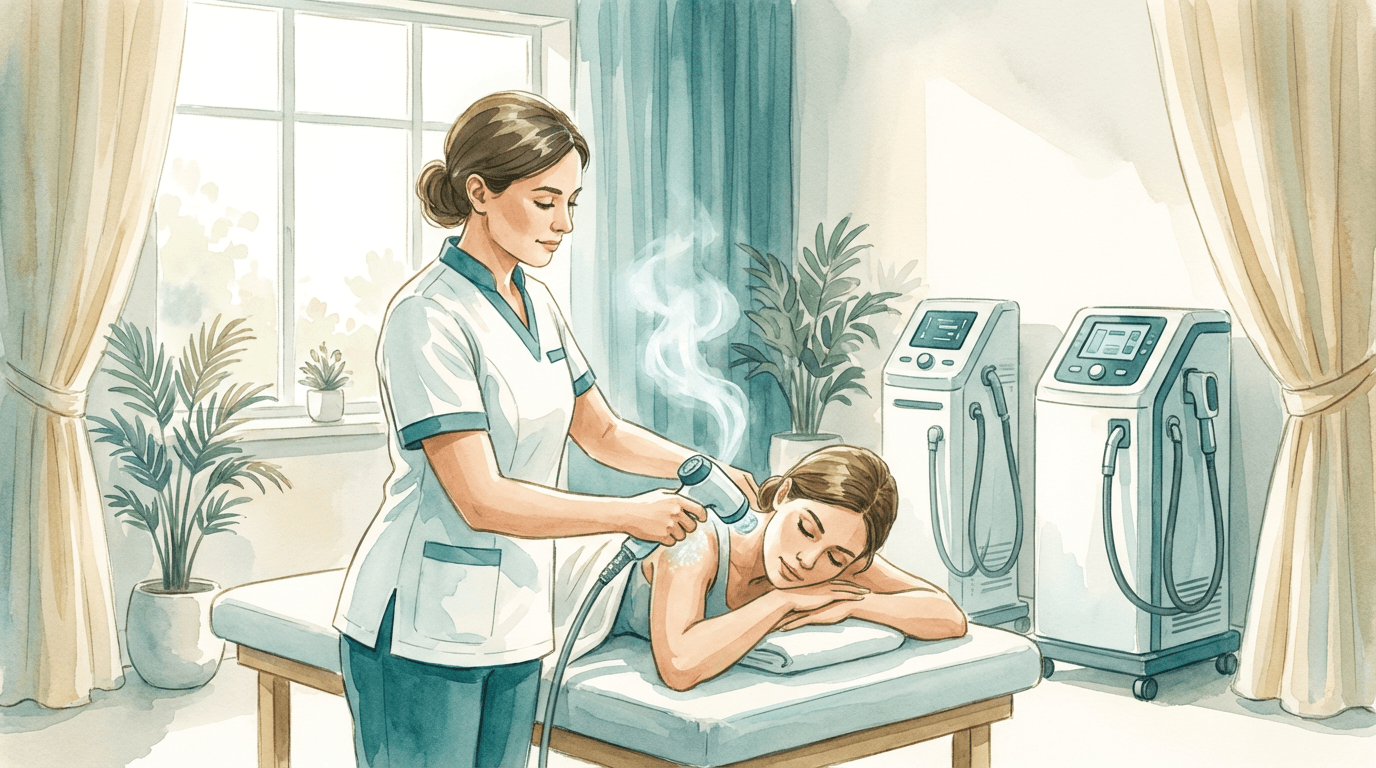
Set of techniques using physical energy (electricity, ultrasound, mechanical waves) to modulate pain, stimulate healing and rehabilitate musculoskeletal tissues.
Non-invasive chiropractic disc decompression technique using an articulated table that allows flexion, distraction and lateral mobilization movements to treat disc herniation and low back pain without thrust.
Complete chiropractic system developed by Burl Pettibon integrating precise adjustments, specific postural exercises, cervical and lumbar traction devices, and weighted helmets or vests to correct vertebral deviations and restore normal physiological curves.
Neuromuscular rehabilitation method developed by Herman Kabat using movement diagonals, developed alongside Dr. Margaret Knott, to facilitate coordination, strength and mobility through manual resistance and proprioceptive reflexes.
Patented soft tissue treatment technique developed by P. Michael Leahy, combining precise pressure on restriction zones with active patient movement to release myofascial adhesions.
Chiropractic technique using a table with movable sections that drop slightly during adjustment, reducing required force and increasing specificity of vertebral corrections.
Chiropractic technique specifically developed for pregnant women by Larry Webster, aimed at reducing sacral dysfunction and uterine ligament tension to facilitate optimal fetal positioning.