Yoga Sivananda
Le yoga Sivananda est une approche traditionnelle et holistique fondée sur cinq principes : exercice, respiration, relaxation, alimentation et pensée positive/méditation. Développé par Swami Vishnudevananda, il propose une pratique complète et accessible basée sur 12 postures de base.
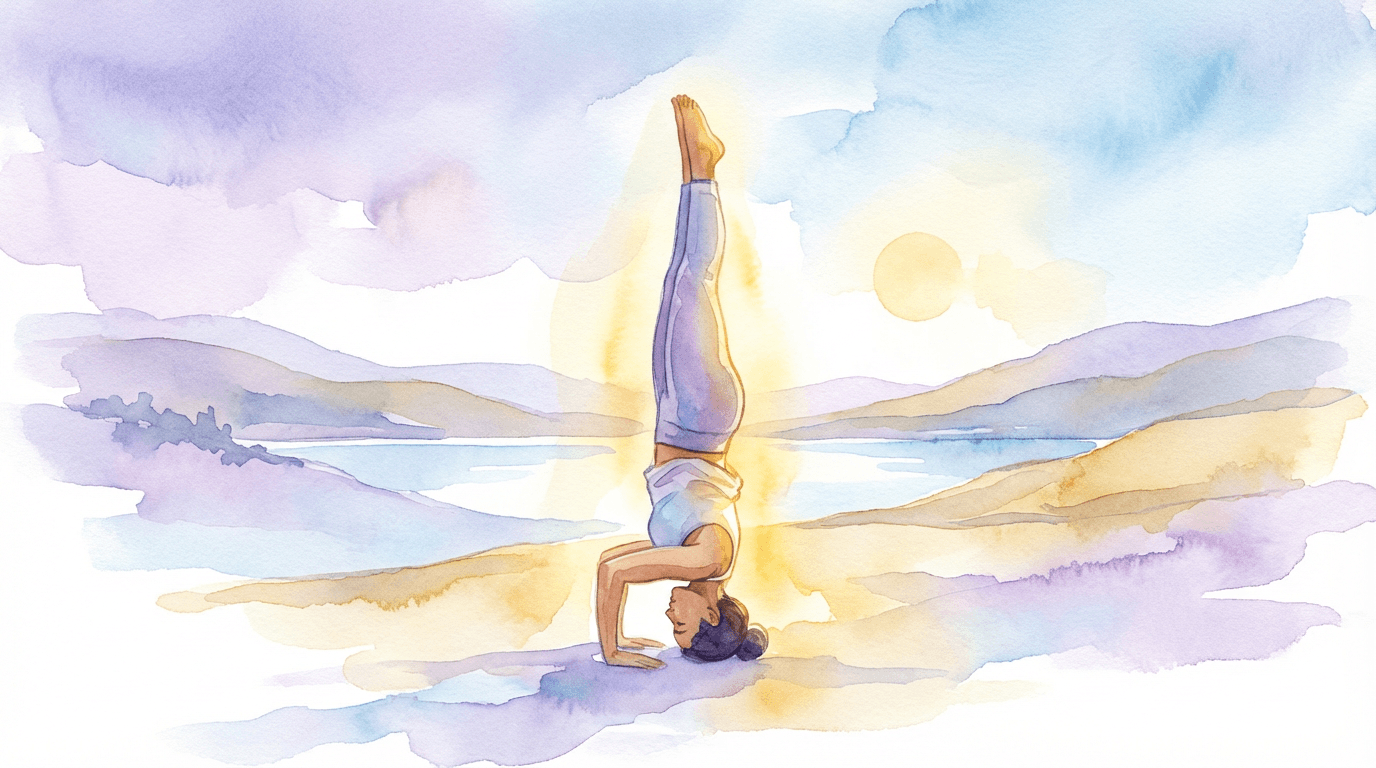
Le yoga Sivananda est une approche traditionnelle et holistique fondée sur cinq principes : exercice, respiration, relaxation, alimentation et pensée positive/méditation. Développé par Swami Vishnudevananda, il propose une pratique complète et accessible basée sur 12 postures de base.
Présentation
Le yoga Sivananda tire son nom de Swami Sivananda (1887-1963), médecin devenu moine et maître spirituel à Rishikesh, en Inde. Son disciple Swami Vishnudevananda (1927-1993) a formalisé et diffusé cette approche en Occident en fondant les centres internationaux Sivananda Yoga Vedanta en 1959, commençant par Montréal. Aujourd'hui, plus de 60 centres et ashrams dans le monde perpétuent cette tradition.
La philosophie Sivananda repose sur cinq principes synthétisés par Vishnudevananda : Asanas (exercice correct), Pranayama (respiration correcte), Shavasana (relaxation correcte), alimentation végétarienne (régime correct), Vedanta et Dhyana (pensée positive et méditation). Cette approche intégrée distingue le Sivananda des styles purement posturaux.
La séquence de base comprend toujours les mêmes 12 postures (variations selon le niveau), précédées de pranayama et de Surya Namaskar (salutation au soleil), et suivies de relaxation. Cette structure fixe permet un apprentissage progressif et une pratique autonome rapide.
Principes fondamentaux
- 5 principes de santé : exercice (asanas), respiration (pranayama), relaxation (shavasana), alimentation (végétarienne), pensée positive et méditation
- 12 postures de base : séquence fixe allant de Sirsasana (sur la tête) à Trikonasana (triangle), couvrant toutes les familles de mouvements
- Surya Namaskar : 12 mouvements de salutation au soleil comme échauffement systématique
- Relaxation profonde : Shavasana pratiqué entre les postures et en fin de séance avec auto-suggestion guidée
- Approche spirituelle intégrée : mantra d'ouverture et de fermeture, chant, philosophie Vedanta, karma yoga (service désintéressé)
Indications principales
- Gestion globale du stress et de l'anxiété
- Recherche d'un mode de vie sain et équilibré
- Troubles digestifs (postures de torsion et alimentation)
- Fatigue chronique et manque d'énergie
- Quête spirituelle et développement personnel
- Amélioration de la souplesse et de la force
- Débutants cherchant une pratique structurée et complète
Déroulement d'une séance
Une séance classique dure 90 minutes :
- Relaxation initiale (5 min) : Shavasana, prise de conscience du corps et de la respiration
- Pranayama (10 min) : Kapalabhati (30, 40, 50 expirations) et Anuloma Viloma (respiration alternée, 10 cycles)
- Surya Namaskar (10 min) : 6 à 12 salutations au soleil, chaque mouvement synchronisé avec la respiration
- 12 postures de base (50 min) : Sirsasana (sur la tête), Sarvangasana (chandelle), Halasana (charrue), Matsyasana (poisson), Paschimottanasana (pince), Bhujangasana (cobra), Shalabhasana (sauterelle), Dhanurasana (arc), Ardha Matsyendrasana (torsion), Kakasana (corbeau), Pada Hasthasana (flexion debout), Trikonasana (triangle). Shavasana entre chaque posture
- Relaxation finale (15 min) : Shavasana guidé avec auto-suggestion (relaxation musculaire, visualisation, affirmation positive)
Variations
Les cours Open (tous niveaux) utilisent la séquence de base avec des variations simples. Les cours avancés ajoutent des postures intermédiaires et avancées aux 12 postures de base. Les Yoga Vacations en ashram combinent yoga, méditation, karma yoga, conférences et alimentation végétarienne. La Teacher Training (TTC) de 4 semaines est l'une des formations les plus reconnues au monde. La méditation Sivananda utilise des mantras personnels transmis lors d'une initiation.
Contre-indications
- Sirsasana (posture sur la tête) : glaucome, problèmes cervicaux, hypertension non contrôlée, menstruations (tradition)
- Sarvangasana (chandelle) : problèmes de thyroïde, cervicales fragiles
- Grossesse : pratique adaptée, pas d'inversions ni de postures sur le ventre après le premier trimestre
- Blessures au dos : adapter les extensions et torsions profondes
Avertissement médical
Les informations présentées dans cet article sont fournies à titre éducatif et informatif uniquement. Elles ne constituent en aucun cas un avis médical, un diagnostic ou une prescription de traitement. En cas de doute, consultez toujours votre médecin ou un professionnel de santé qualifié. Les techniques décrites ne se substituent pas à un traitement médical conventionnel.