Yi Jin Jing (Tendon-Muscle Changing Classic)
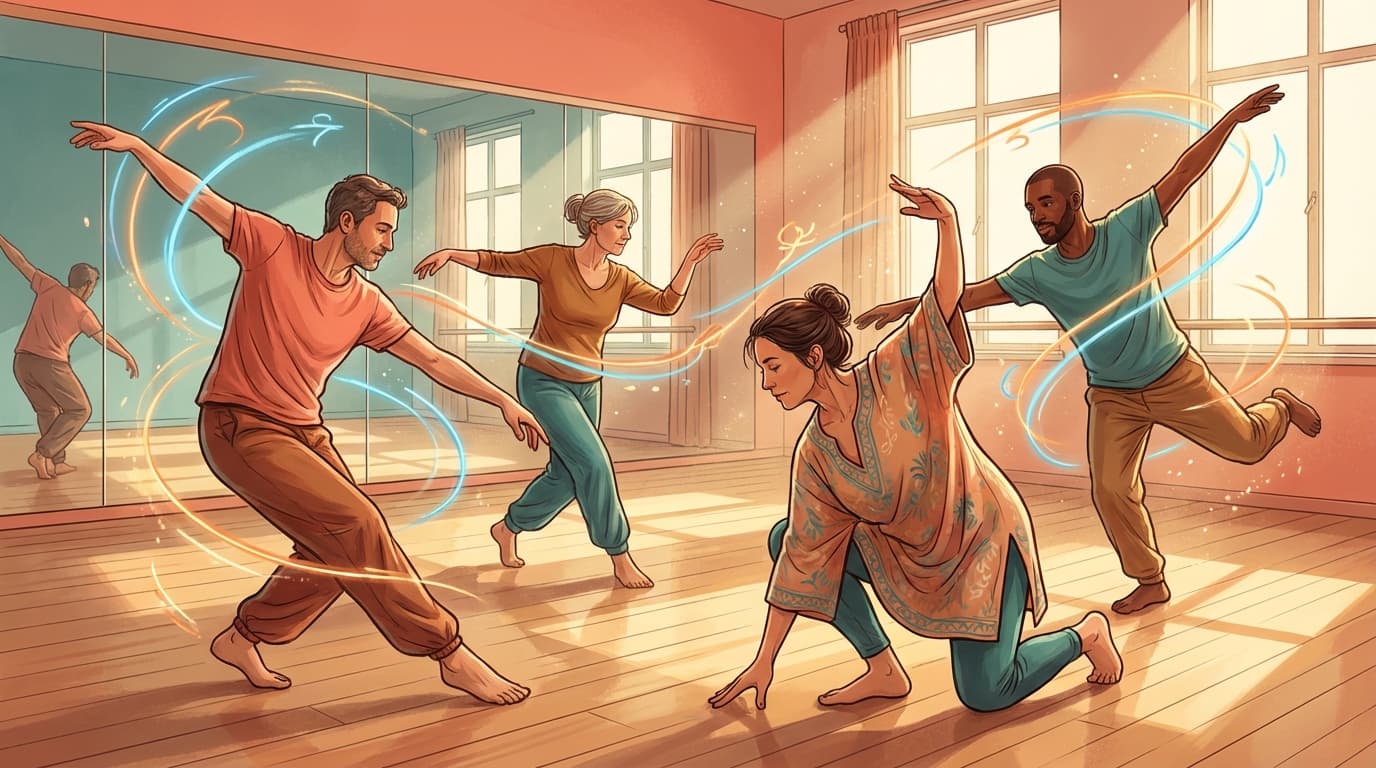
Yi Jin Jing is a muscle-tendon strengthening Qi Gong attributed to monk Bodhidharma, combining deep stretching, breathing and isometric contraction to transform tendons and strengthen body structure.
130 articles
Yi Jin Jing is a muscle-tendon strengthening Qi Gong attributed to monk Bodhidharma, combining deep stretching, breathing and isometric contraction to transform tendons and strengthen body structure.
Chen style Tai Chi is the original Tai Chi Chuan style, characterized by alternating slow movements and explosive releases (Fa Jin), combining meditative fluidity and martial power.
Abdominal acupuncture, developed by Prof. Bo Zhiyun, uses specific abdominal points forming a holographic microsystem to treat systemic conditions gently and almost painlessly.
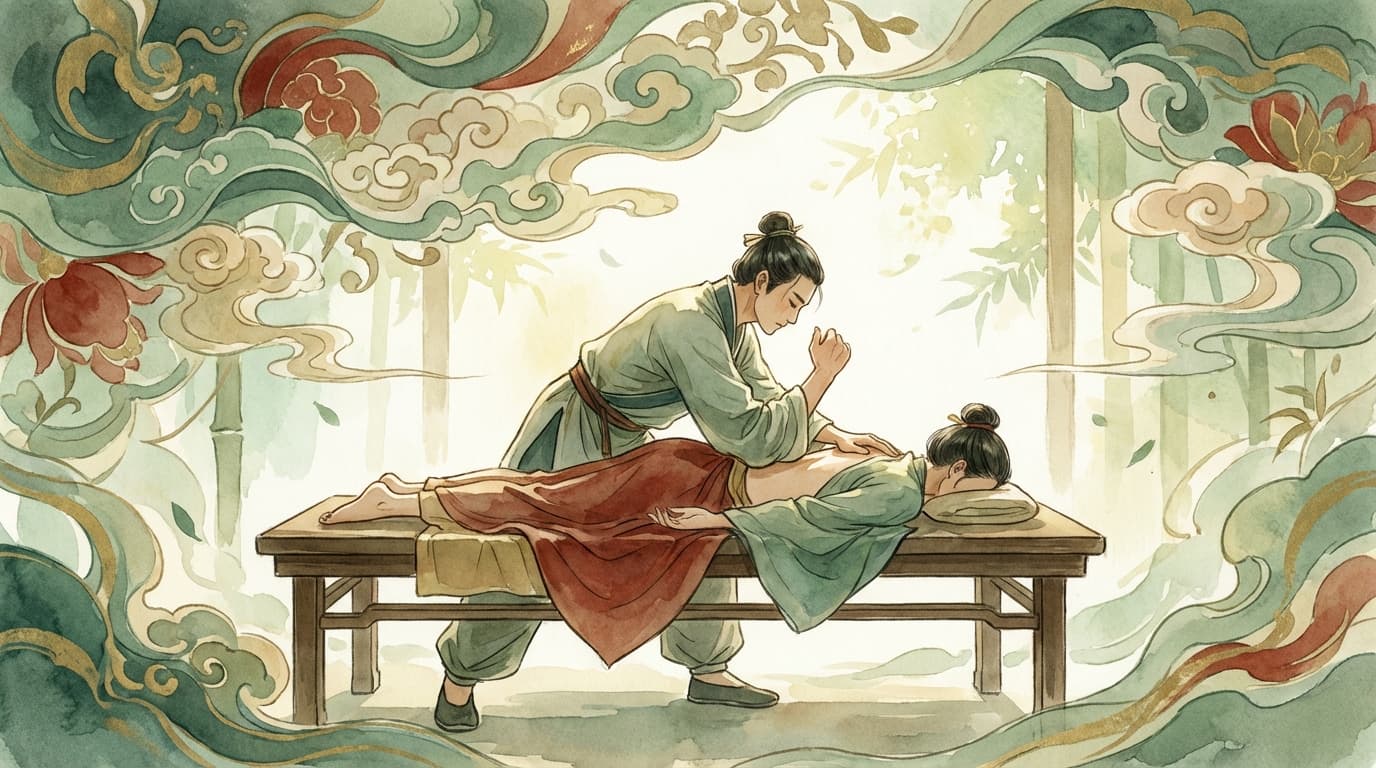
Tuina is Chinese therapeutic massage using specific manual techniques (pushing, grasping, kneading, rolling) on meridians and acupuncture points to treat musculoskeletal and internal pathologies.
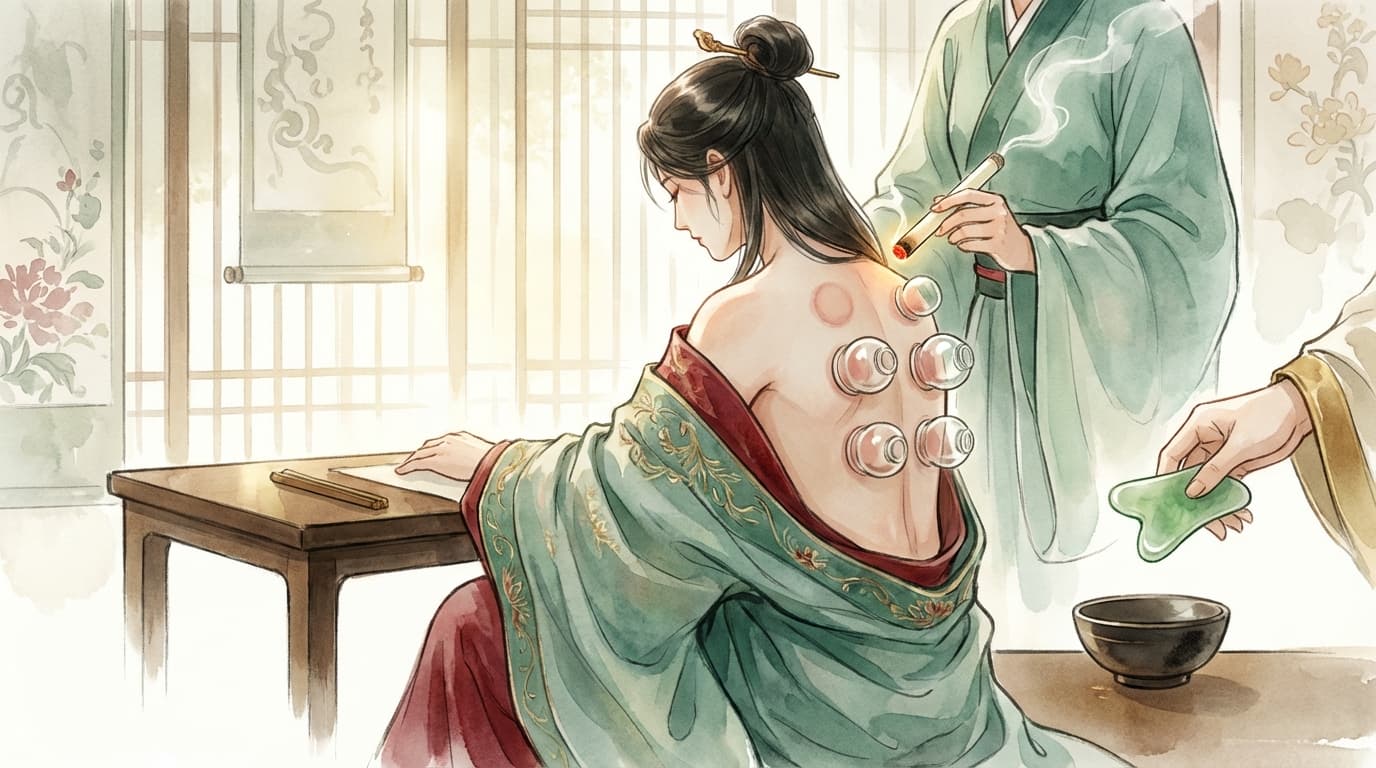
Gua Sha is a Chinese therapeutic scraping technique using a smooth-edged tool, producing controlled petechiae (Sha) that indicate Blood stagnation release and relieve pain and inflammation.
Chinese cupping creates local suction on the skin to mobilize Qi and Blood, disperse stagnation, eliminate Cold-Dampness and relieve musculoskeletal pain.
Ancient therapeutic technique using cups creating suction on the skin to stimulate circulation, release deep muscle tension and promote toxin drainage according to Chinese, Arabic and Western medical traditions.
Set of massage techniques adapted for athletes including preparation, warm-up, recovery and sports injury treatment massages to optimize performance and prevent injuries.
Set of techniques using physical energy (electricity, ultrasound, mechanical waves) to modulate pain, stimulate healing and rehabilitate musculoskeletal tissues.
Therapeutic approach founded by Léopold Busquet analyzing the human body as a set of interdependent muscle chains (static and dynamic) organized in spirals that run through the entire body, allowing understanding of postural compensations and chronic pain holistically.
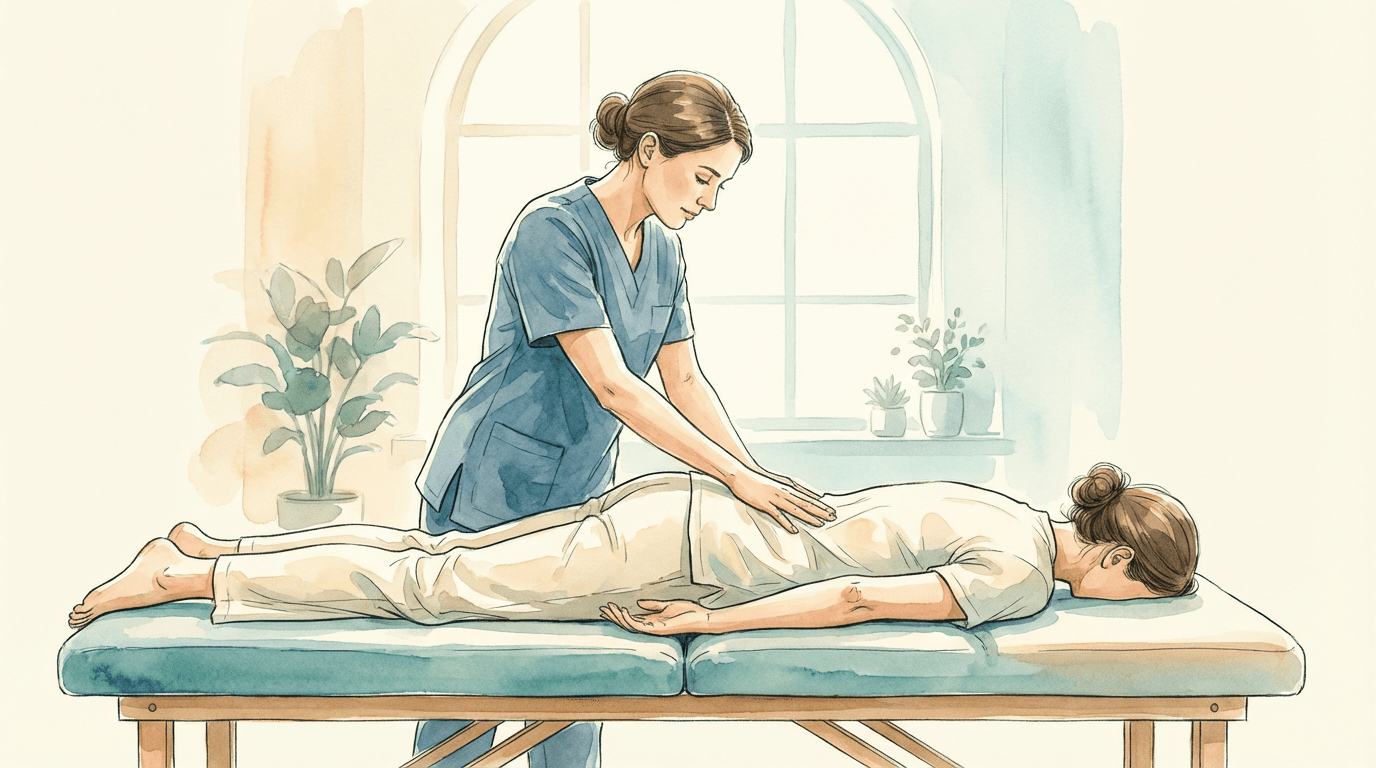
Indirect passive osteopathic technique placing the patient in a position of maximum comfort to deactivate tender points and normalize neuromuscular spindles.
Functional osteopathic technique rediscovered by Richard Van Buskirk combining direct and indirect approaches using compressive or distractive force to guide tissue toward dynamic neutral.
Classical form of Western massage developed by Per Henrik Ling, using effleurage, petrissage, friction, tapotement and vibration to relax muscles and improve circulation.
Indirect osteopathic technique consisting of maintaining firm, sustained pressure on a dysfunctional tissue (muscle, fascia, connective tissue) until reflex release of tensions is achieved, based on the neurophysiological phenomenon of inhibition of spinal protective reflexes.
Gentle osteopathic technique using the patient's voluntary muscle contraction against controlled resistance to correct joint and muscle dysfunctions.
Gentle rhythmic mobilization of joints to progressively restore range of motion without thrust, using repetitive and controlled movements.
Osteopathic articular manipulation technique using high velocity and low amplitude, producing a characteristic 'crack' sound to restore joint mobility.
Deep pressure massage technique targeting deep muscle layers and fascia to release chronic tension, adhesions and persistent muscle contractures.